Visit Longwood House and give St Helena more than a Napoleon day
Explore the domestic scale of Napoleon’s exile, while keeping the island and its wider history in view.
Experiencing a place through a specific activity.
Explore meaningful experiences and choose the version that suits you.
Choose an experience that fits your interests and check current visitor arrangements.
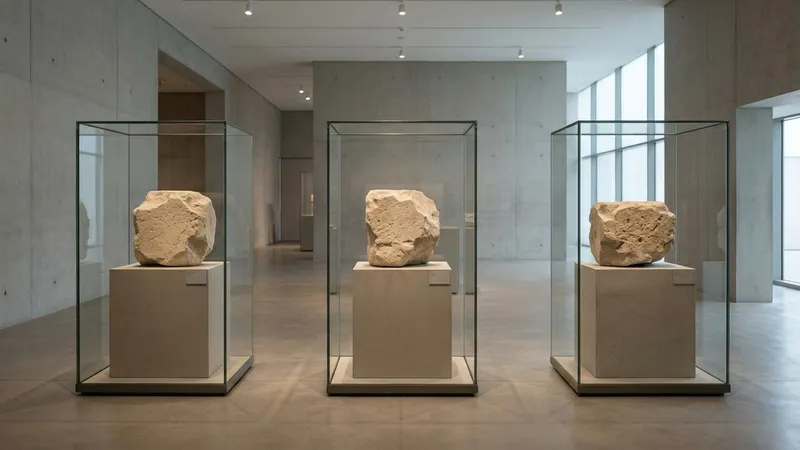
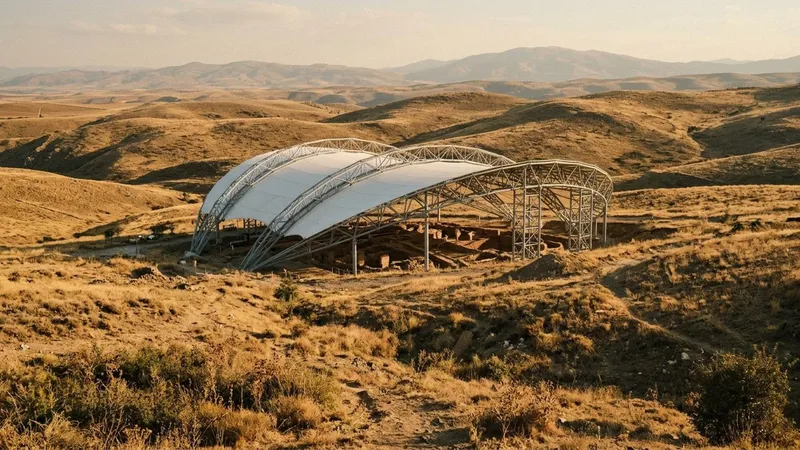
Follow an ancient-history question into Şanlıurfa’s archaeology museum: Use a museum encounter to deepen the questions raised by Göbekli Tepe, keeping excavated objects, reconstructions and interpretation distinct.
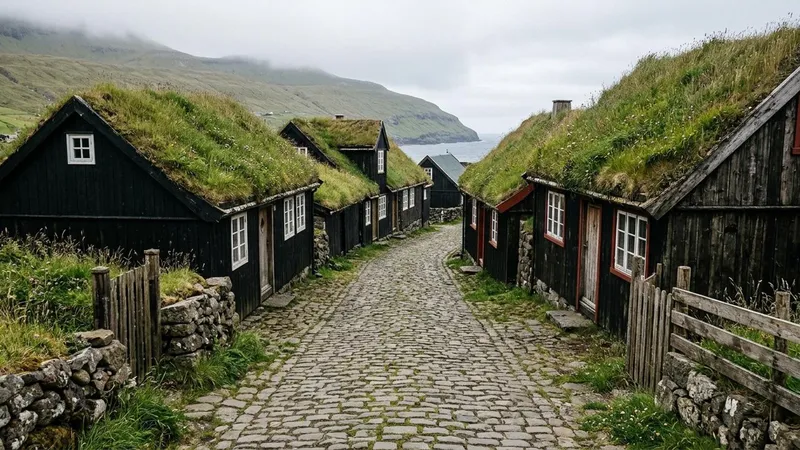
Walk through Tórshavn’s old town as a guest in a living place: Choose a small Faroese capital walk through homes, harbour life and the government’s historic setting, without treating the neighbourhood as a film set.
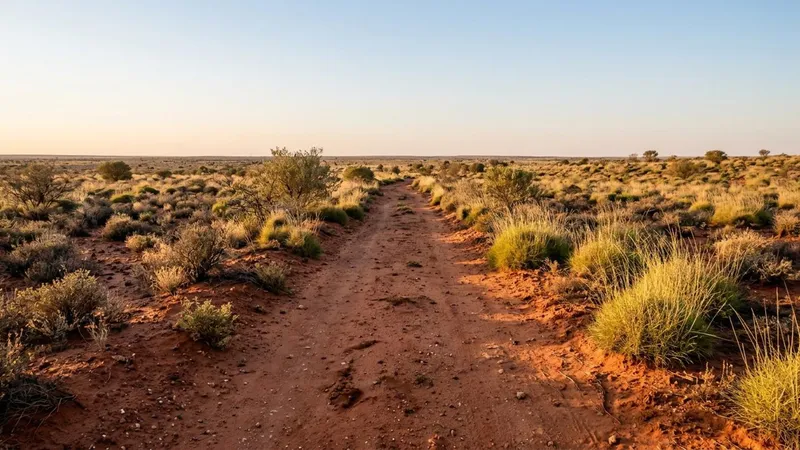
Meet Uluṟu through the Mala walk and the stories shared there: Begin an Uluṟu visit with the Mala walk and ranger interpretation, respecting cultural guidance and planning park entry.
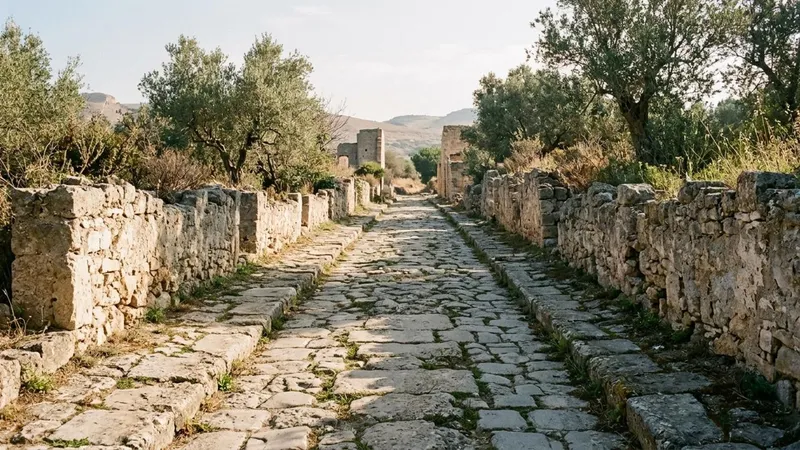
Visit Pompeii as a city people used, not a list of ruins: Give a Pompeii visit a question about everyday life, then connect a few meaningful stops using current access information.
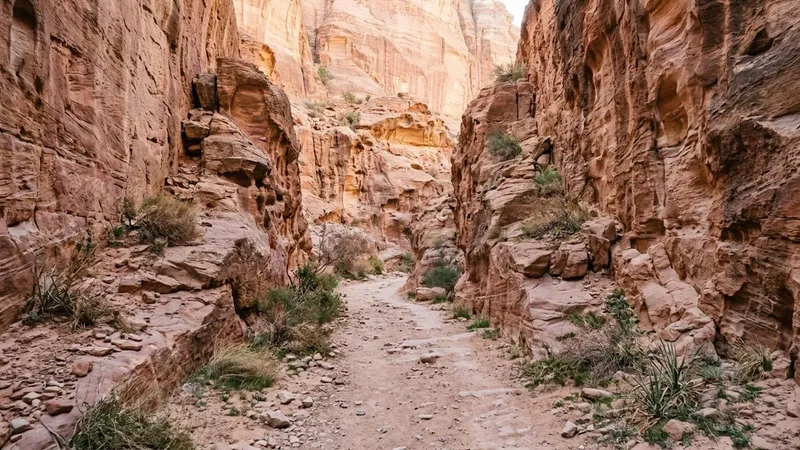
Walk into Petra, then choose how much farther you want to go: Let the approach through the Siq shape a first Petra visit, then choose carefully whether to explore farther.
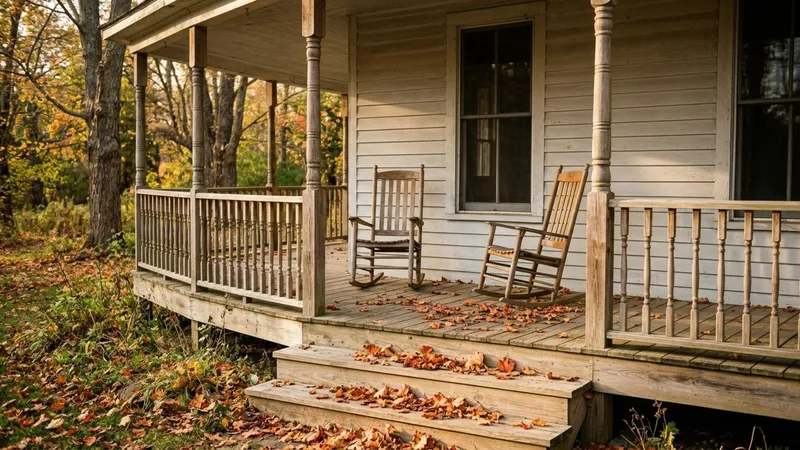
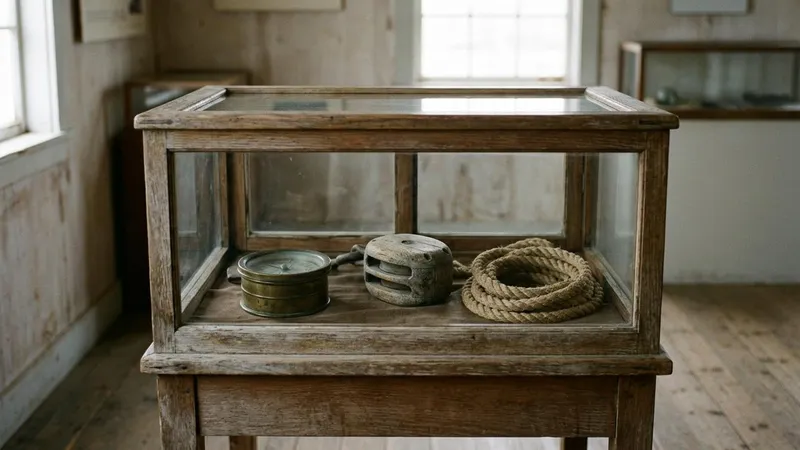
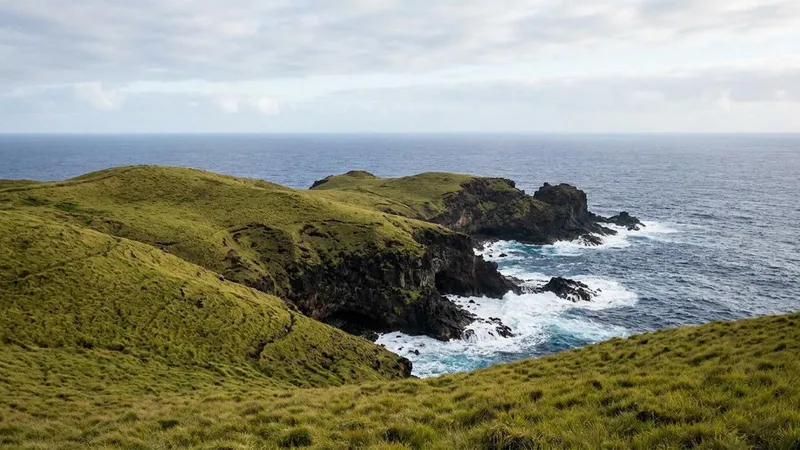
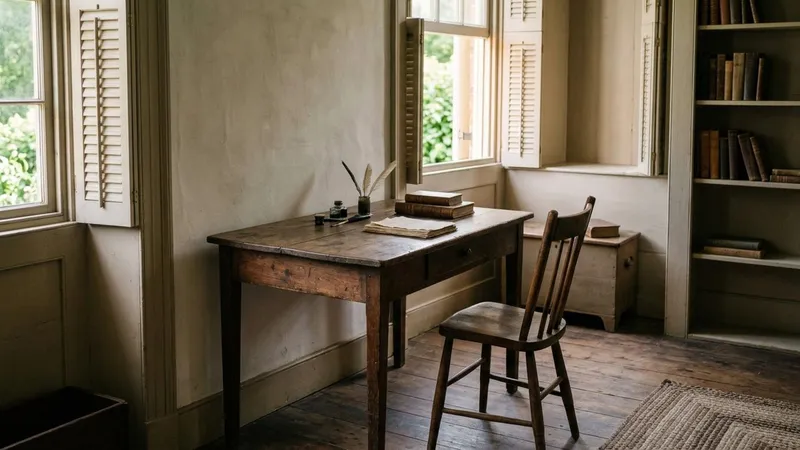
Visit Longwood House and give St Helena more than a Napoleon day: Explore the domestic scale of Napoleon’s exile, while keeping the island and its wider history in view.
Explore the domestic scale of Napoleon’s exile, while keeping the island and its wider history in view.
Let the approach through the Siq shape a first Petra visit, then choose carefully whether to explore farther.
Give a Pompeii visit a question about everyday life, then connect a few meaningful stops using current access information.
Begin an Uluṟu visit with the Mala walk and ranger interpretation, respecting cultural guidance and planning park entry.
Make Theodore Roosevelt’s Long Island home a focused encounter with domestic life, public identity and the questions a preserved house can raise.
Connect a famous aviation story with its physical setting, using the flight markers and a ranger’s interpretation rather than rushing to the monument.
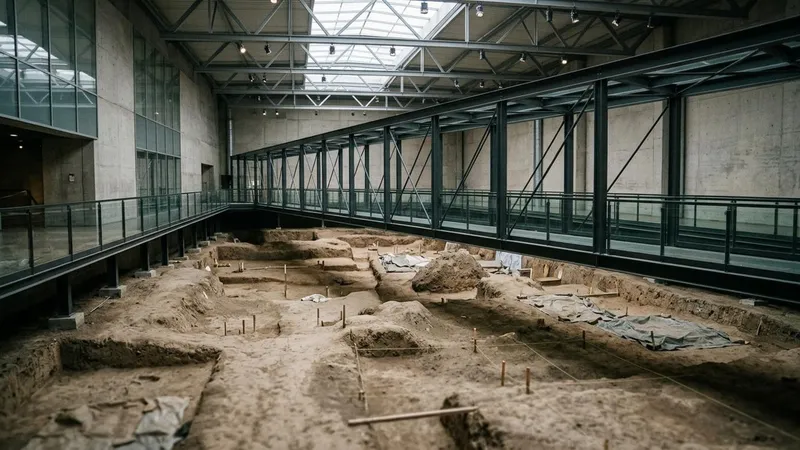
Use a museum encounter to deepen the questions raised by Göbekli Tepe, keeping excavated objects, reconstructions and interpretation distinct.
Choose a small Faroese capital walk through homes, harbour life and the government’s historic setting, without treating the neighbourhood as a film set.
Choose one thread through a small island’s collections, from archaeological finds to maritime and twentieth-century history.
Choose a Boston visit that connects the historic vessel with the people who sailed, maintain and interpret it.
A route, an entry time and the journey to the site need to work together—not just look good separately.
A short city-wall walk can open a much larger history when you give the interpretation as much attention as the circuit.
Begin with the famous temple, then choose a manageable way to understand the larger place around it.
Choose a guided visit to Hauteville House in Guernsey for the relationship between a writer, his rooms and his imagination.
Arrange a small loom-shed visit on Harris and discover the work behind a fabric often encountered only as a finished souvenir.
Make a royal-house visit about the rooms, collections and outdoor places you most want to spend time with.
Give one part of Luxor’s vast temple landscape enough attention to understand more than its size.
Use Arizona’s Route 66 Museum to find the part of the road’s history that makes you want to explore further.
Use the official heritage route to choose a few connected places, leaving room to notice the streets between them.
Give an ordinary American city a deeper look through textile production, migration and the people who worked there.
Make Cliff Palace a considered goal, with its seasonal tours, ladders and Ancestral Pueblo history shaping the plan.
Make one Paris visit about light, color and looking, rather than adding another landmark to a rushed day.
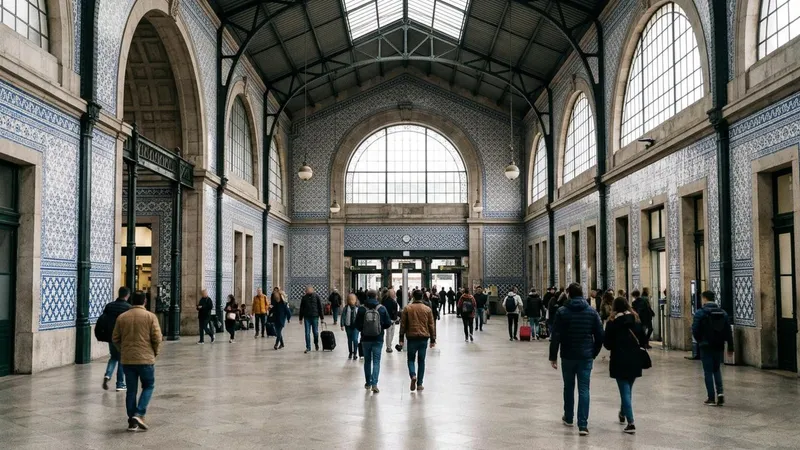
Begin a Porto walk with one focused encounter: the painted tiles in a working railway station.
Begin with the people and stewardship of the island, then give its archaeological places the attention they deserve.
Make a Shetland visit about how people kept remaking a place, from prehistoric houses to Norse settlement and later buildings.
Begin an Orkney archaeology experience with houses and daily life, rather than trying to fit every monument into one day.
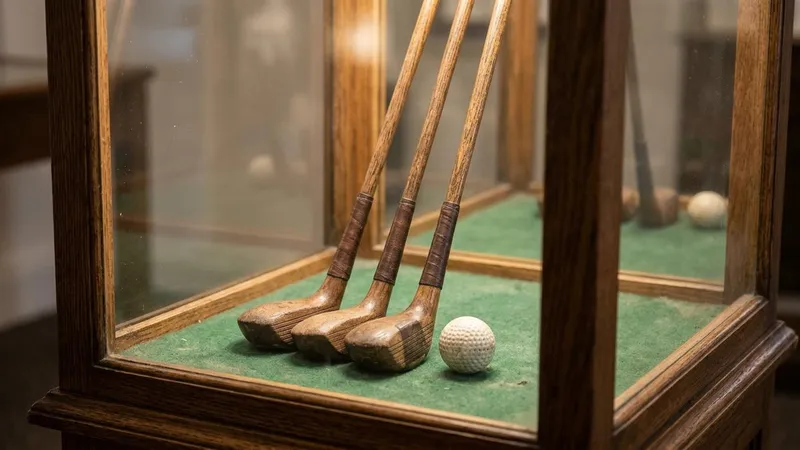
Use the R&A World Golf Museum as a focused way into a sporting place, whether or not you play.
Use Titanic Belfast to connect a familiar ship story with the people, industry and city behind it.
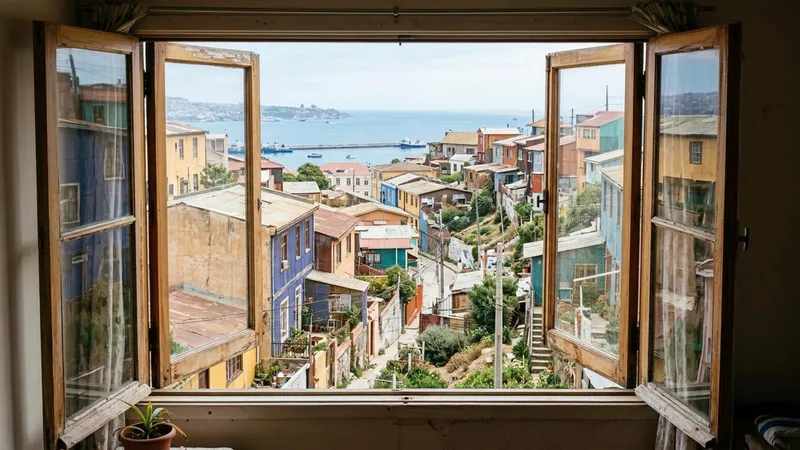
Use Pablo Neruda’s house museum as a focused encounter with a port city, a writer and the objects he chose.
A remarkable archaeological place becomes more interesting when evidence and interpretation stay separate.
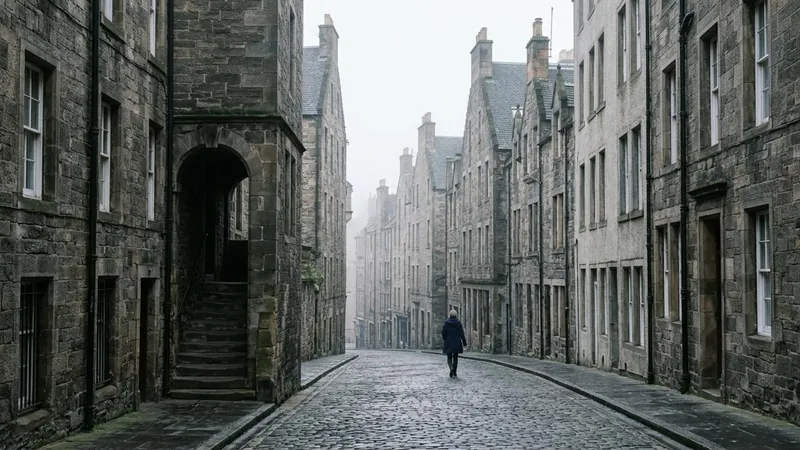
A castle at one end, a palace at the other—and a walk worth taking slowly in between.
A seven-day personal project that can turn a familiar few streets into somewhere you genuinely pay attention to.
Give the burial figures near Xi’an time to become more than one famous photograph, with a deliberate plan for entry and interpretation.