Visit Longwood House and give St Helena more than a Napoleon day
Explore the domestic scale of Napoleon’s exile, while keeping the island and its wider history in view.

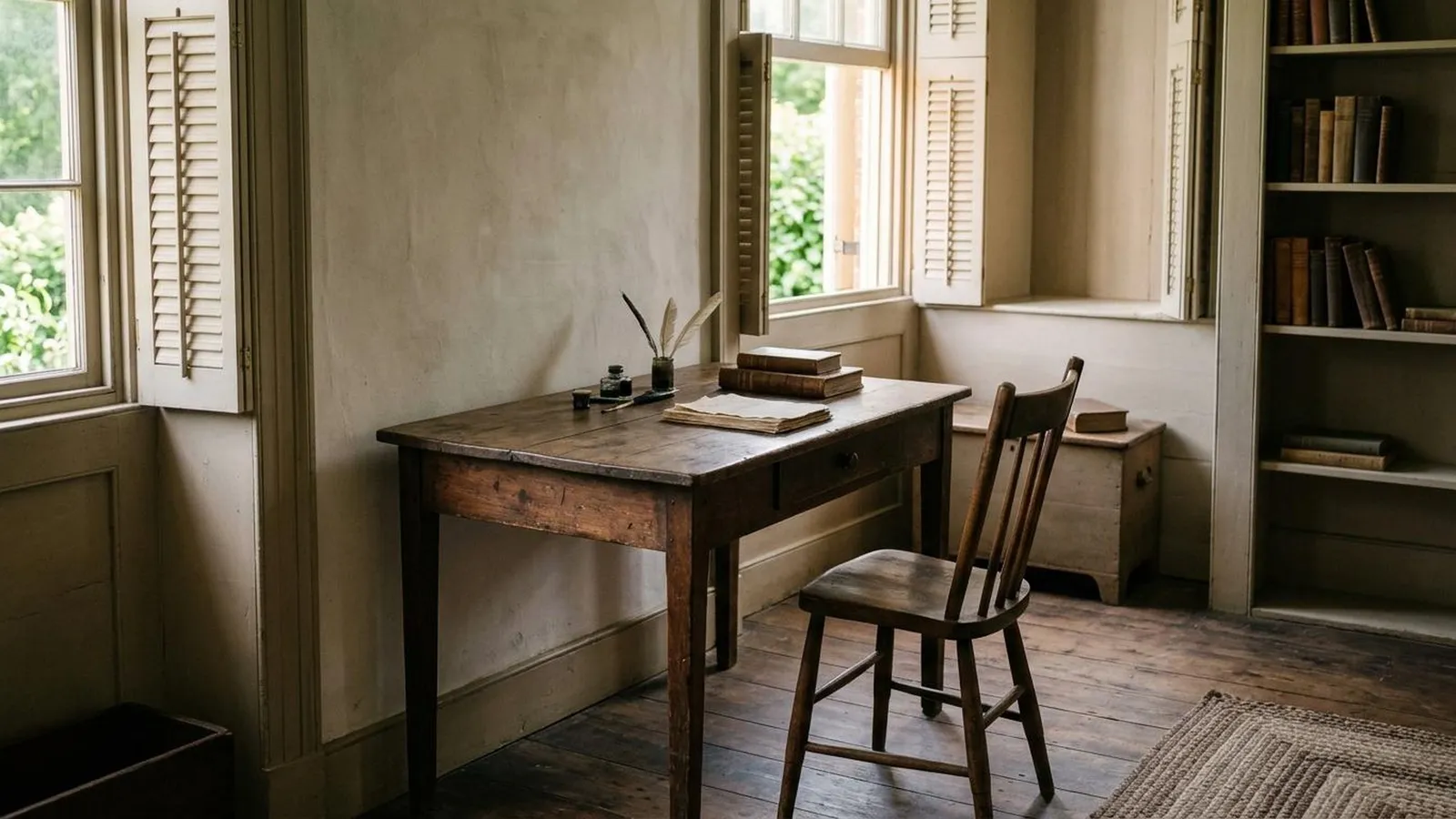
An emperor’s exile can sound abstract until you encounter the rooms in which a reduced, closely watched life was lived. At Longwood House on St Helena, the scale of a household offers a different way into Napoleon’s story from a battlefield or a monumental tomb.
Make that a reason to visit the island, while leaving room for the place and people whose history is much larger than one famous resident.
Look for the daily life inside the history
The UK St Helena Heritage Trust describes Longwood as a house adapted for Napoleon and his retinue after his initial stay at the Briars. Its account includes the everyday activities of his exile: receiving people, dictating memoirs and moving within restrictions. Longwood’s history.
A useful question to bring is how ordinary routines change when a person has lost freedom and power. Let the rooms and interpretation give that question some detail.
You do not have to arrive knowing every campaign. Read a short historical account beforehand, then use the visit to understand a part of the life that a chronology can pass over quickly.
Separate the historic place from its presentation today
Fondation Napoléon describes a substantial restoration project and the management of the French Domains, including Longwood, the Briars and the tomb site. The house visitors encounter has been preserved and interpreted; its rooms should not be treated as a scene untouched since Napoleon’s time. The domains and restoration.
Ask what is original, what has been restored and what a display is explaining. That can make a particular room more interesting than simply recognising it from a photograph.
The same attention helps with personal objects. Look for what the label establishes rather than supplying an imagined story because an object feels suitably historic.
Decide whether to connect the other sites
Longwood, the Briars and the original tomb site offer different parts of the story. If you want to connect them, establish transport, opening and guide arrangements for each instead of assuming one admission or an island tour automatically covers all three.
A guide may help explain the geography and the restrictions of exile, but choose using the actual itinerary. A long drive with brief stops is a different experience from time inside a house.
Leave space for questions. The most useful one may concern someone other than Napoleon: a member of the household, an island resident or the people responsible for the place now.
Plan the island journey separately
Check current travel routes, entry requirements and accommodation through the relevant authorities and providers. Start with the St Helena government’s entry page and eVisa guidance for the passport you will use. The official FAQ also requires adequate cover for treatment on the island and emergency medical evacuation; confirm that coverage with your insurer. This house visit is not a verified transport itinerary, and an old weekly flight reference should not determine your booking.
Confirm the visit directly before paying for arrangements built around it. Discuss access, photography and any particular room or activity you hope to see.
Our Hemingway house guide explores another place where a famous name can draw attention away from the wider setting. On St Helena, let Longwood sharpen your interest, then give the island time to become more than the location of an exile.
Sources
UK St Helena Heritage Trust on Longwood
Fondation Napoléon on the French Domains and visits