Explore Macao’s historic centre one small walk at a time
Use the official heritage route to choose a few connected places, leaving room to notice the streets between them.

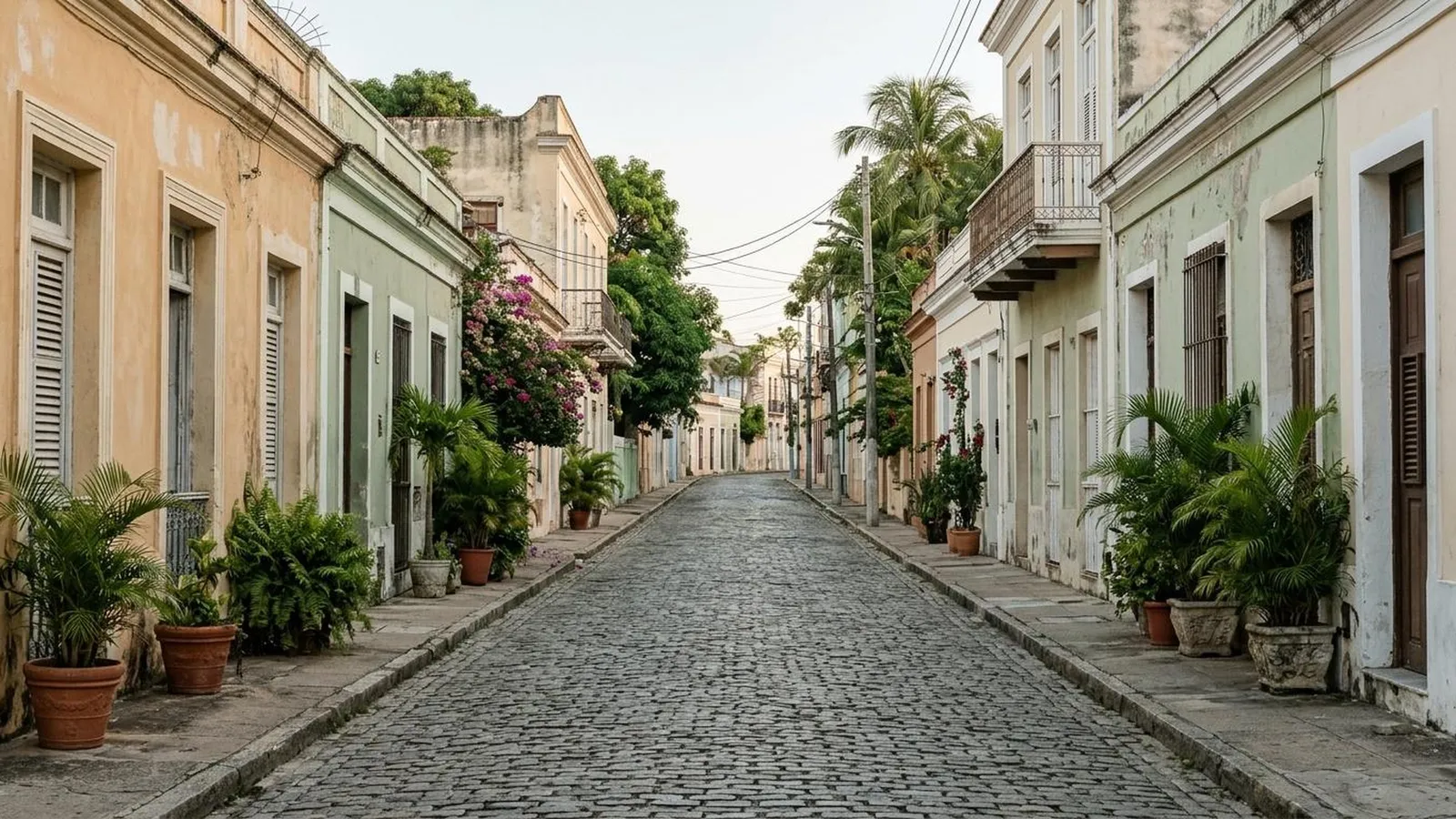
A historic city can become easier to understand when you stop trying to see every important building. In Macao, choose a short part of the historic centre and give the spaces between the landmarks as much attention as the landmarks themselves.
The attraction is a connected urban place: buildings, squares, changes in street level and the ordinary movement around them. A walk lets you discover that relationship more clearly than moving between a few famous photographs by taxi.
Use the official route as a resource
Macao’s cultural authority publishes a Historic Centre route linking buildings and plazas, including A-Ma Temple and the Ruins of St Paul’s. Its heritage-trails platform offers maps and interpretation. That is a resource for choosing a manageable section, not an obligation to complete the entire collection in one outing. Official heritage-route introduction
Begin by selecting two or three places that genuinely interest you. You might follow religious buildings, domestic architecture or the way a square opens out from a narrow street. Use the current map to understand their relationship and the route between them.
Read about the selected places before you set out. The wider heritage account concerns encounters between Chinese and Portuguese cultural traditions over time. Individual sites deserve their own context rather than being reduced to two visual styles placed side by side. Historic Centre background
Leave space for the street
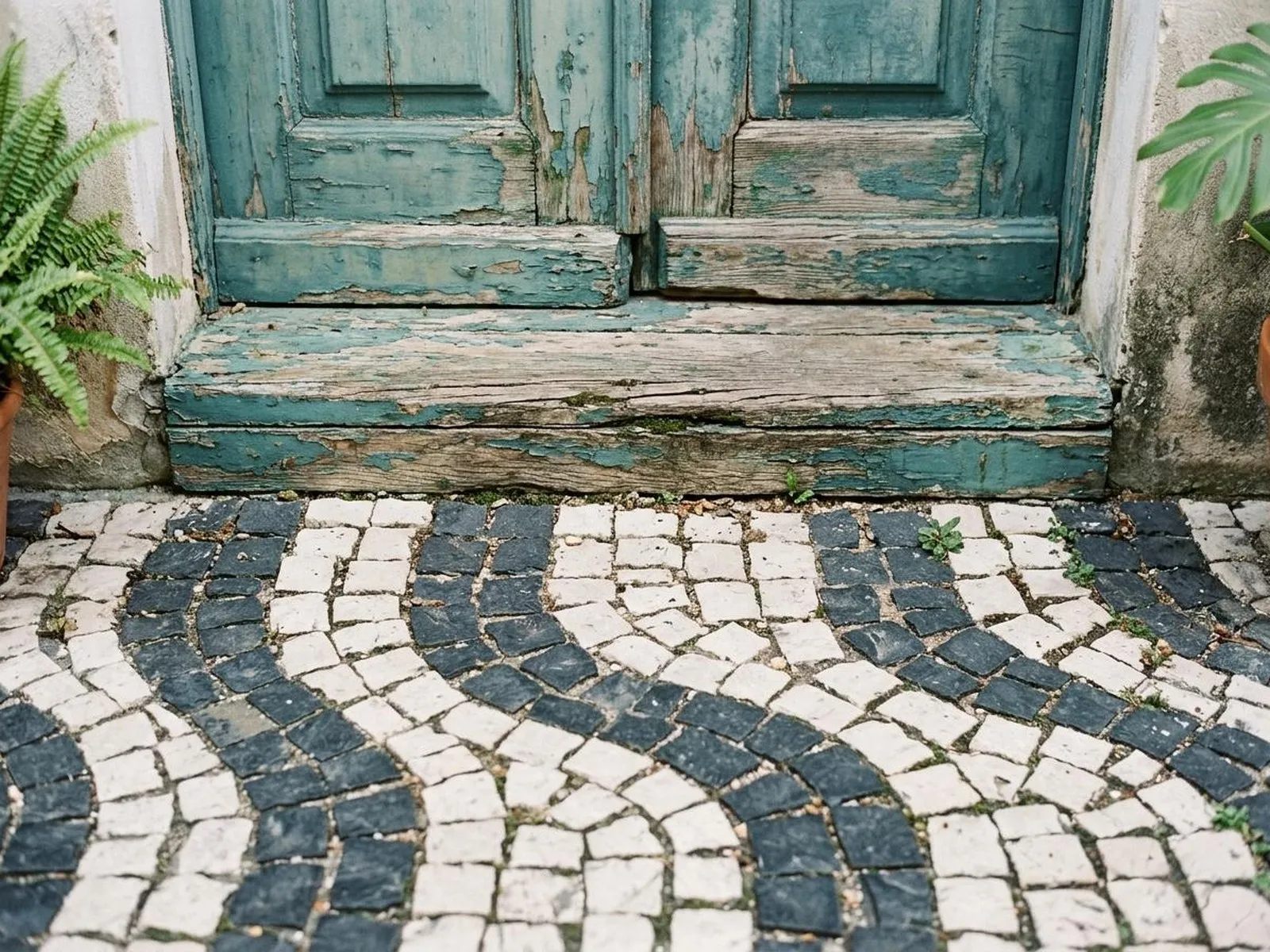
At each stop, look outward as well as inward. How does the building meet the public space? What changes when you approach from another direction? A doorway, paving pattern or small transition between levels may become the detail that fixes the walk in your memory.
Build in a pause where you are welcome to sit or buy something to drink. That gives you time to look back at what you have seen and decide whether to continue. A successful small walk does not need to expand until everyone is tired.
The authority describes undulating ground and winding streets. Check the route against your walking comfort and current conditions. A short distance on a map can include more steps, gradients or crowding than you want to manage.
Check interiors separately
An official heritage map establishes where a place is and why it matters; it does not guarantee access to every interior throughout the day. Check the current opening, admission and visitor rules for any building you particularly want to enter.
Treat religious spaces and working premises as places with their own purposes. Follow notices about conduct and photography, and avoid turning a doorway or worship area into the background for a prolonged photo session.
If a full section proves too demanding, shorten it. Seeing one square carefully and understanding one building can still be a complete experience. Do not let the size of a heritage list become a measure of how well you visited.
Before leaving, choose a question to carry forward: something about a building, a community or a detail the interpretation did not fully explain. It gives you a reason to read more or return with a guide.
The ambition is to meet Macao through a few connected places, with enough time to notice how they form a city. The official route helps you begin; the part you remember will come from the attention you give it.