Visit Rapa Nui with living culture at the center
Begin with the people and stewardship of the island, then give its archaeological places the attention they deserve.

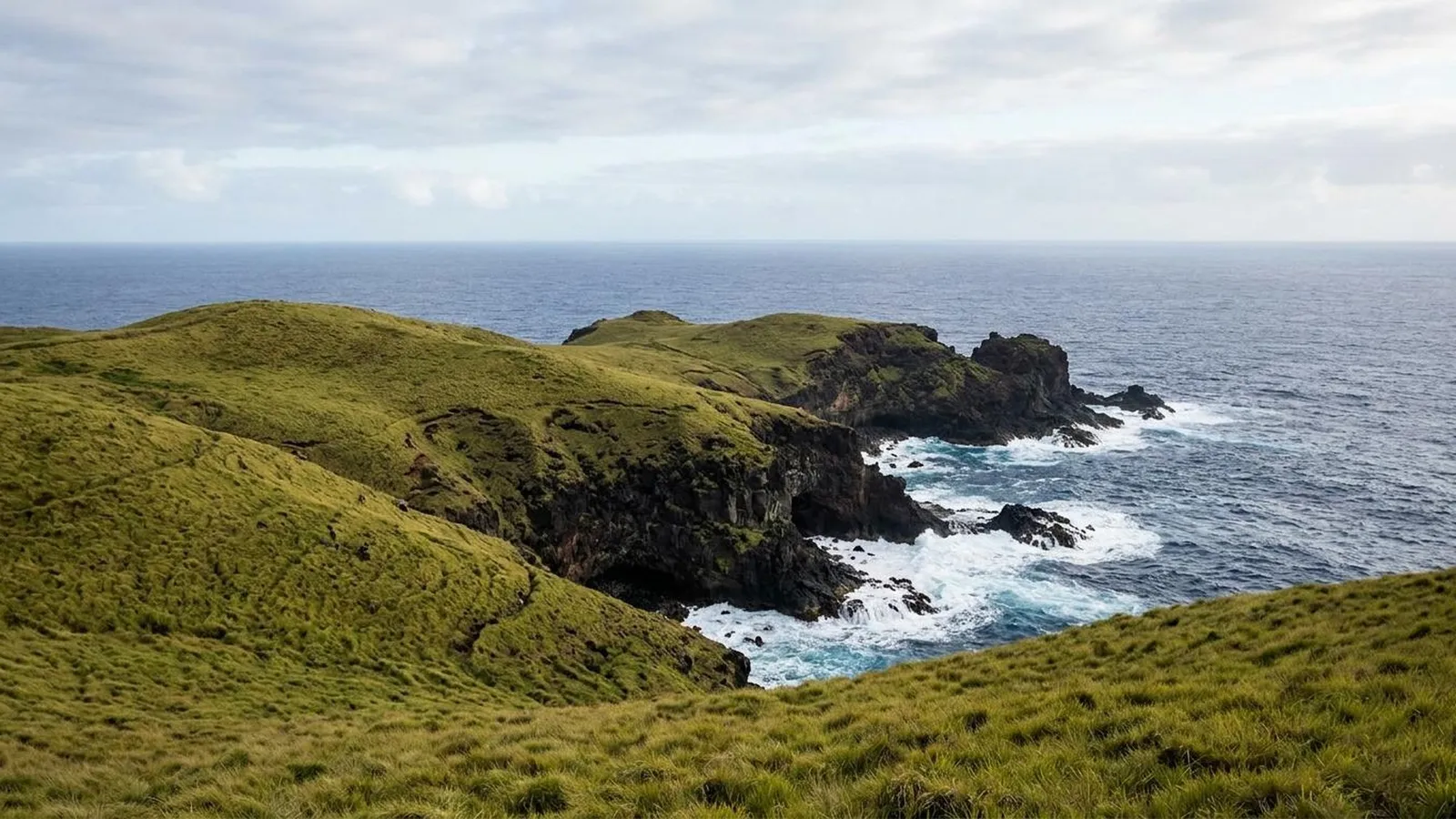
The first image may be a row of moai against the sky. It is an extraordinary reason to become curious about Rapa Nui. It is also only the beginning of a place where people live, guide visitors and care for a cultural inheritance.
A meaningful visit starts by making room for that present-day reality. Instead of arriving with a list of photographic positions, choose the questions you would like to explore with someone who knows the island.
Begin with the park’s own arrangements
Rapa Nui National Park’s ticket platform identifies the Ma’u Henua Indigenous Community and publishes its visitor terms. Those terms require tickets at access controls and accompaniment by a guide within the park.
Arrange your visit through current park information and confirm the guidance arrangements for the sites you plan to see. An island flight, a hotel booking and a park ticket are different parts of the trip; purchasing one does not complete the others.
Chile’s official tourism guidance lists a separate island-entry process: the FUI form within 48 hours before the flight, a return ticket within the 30-day tourist limit, and registered accommodation or the specified invitation arrangement. These are separate from park admission. Check the current requirements for your circumstances before booking. Read Chile’s entry guidance.
Choose a question that goes beyond the silhouette
You might want to understand how a particular place is interpreted, what is known about the work that created it or how stewardship operates today. Tell your guide what genuinely interests you.
Ask where an explanation rests on evidence and where interpretations differ. You do not have to arrive with your own theory or select the most sensational version of a story.
Leave time for the answer to change your next question. That is difficult if you have filled the day with more stops than you can properly absorb.
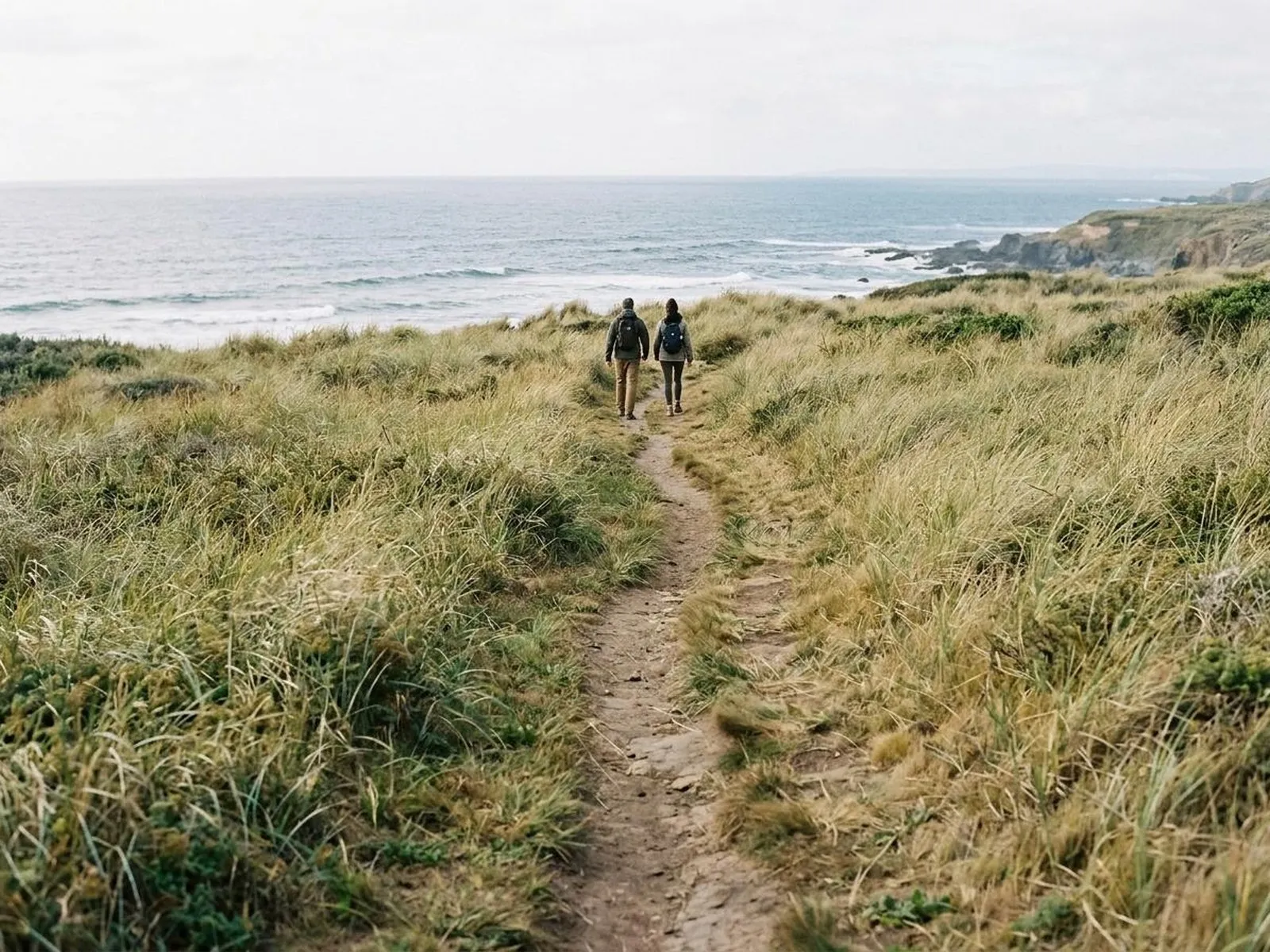
Build a visit around attention and pace
Suppose two companions want different things. One hopes for quiet time looking; the other wants detailed historical explanation. A good plan can make room for both, but only if you discuss pace and priorities before booking the day.
Ask about the actual walking, surfaces, exposure and transport involved. If access or energy is a concern, describe it specifically. A destination’s fame does not tell you whether its visitor route suits you.
Choose a few experiences you can understand rather than treating every named site as equally essential. Keep enough flexibility for weather and the arrangements your guide explains.
Treat boundaries as part of the experience
Follow the park’s current rules and the instructions given at each place. Do not approach protected features simply because another visitor has done so, and do not assume that a photograph circulating online shows a permitted visitor position.
A guide’s role is more than helping you obtain a picture. Listen to the reasons behind the instructions, and let respect for the place shape what you choose to record.
Ask before photographing people or sharing a story someone has told you in a personal context. Access to an experience is not ownership of everyone within it.
Leave space for island life
Keep part of the visit for an interest that is not another archaeological stop: perhaps a locally offered cultural activity or a meal where you have time to ask about what you are eating. Choose through people and providers able to explain what is being offered, rather than assuming any advertised performance represents the whole culture.
The purpose is not to acquire a claim that you have understood the island after a short stay. It is to begin a more informed relationship with it.
You may still treasure the image that first made you want to go. The richer memory is knowing more about the place beyond its outline.