Visit Sagamore Hill with a question about the person behind the presidency
Make Theodore Roosevelt’s Long Island home a focused encounter with domestic life, public identity and the questions a preserved house can raise.

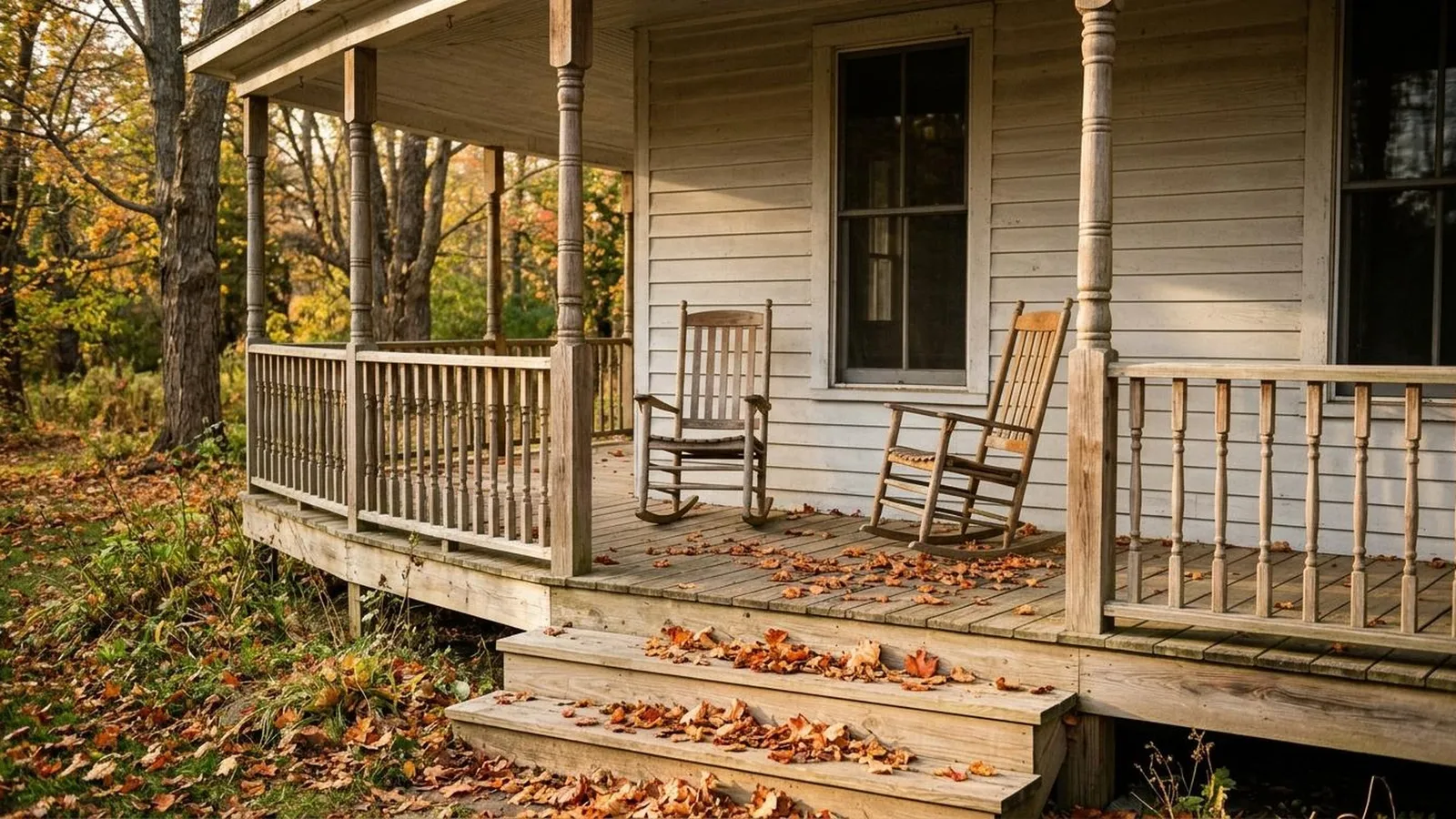
A preserved home can offer something a general biography cannot: a reason to ask how a public figure arranged an ordinary life. What did the household choose to keep? What impression did the rooms create? Where does a visitor see the person, and where do they see a carefully preserved public memory?
At Sagamore Hill in Oyster Bay, make one of those questions the reason for your Long Island visit. The National Park Service identifies the property as Theodore Roosevelt’s home for more than thirty years. You can be interested in that setting without arriving as an admirer or an expert.
A useful visit allows curiosity and criticism to sit together.
Give the house tour a purpose
Before booking, choose a thread: family life, the relationship between a home and public work, or the objects through which someone presented an identity. Keep it small enough that you can notice a detail and ask about it.
During the tour, separate what the guide documents from what you infer. An impressive object may tell you something about taste or collecting, but it does not by itself explain a complete political life. Ask what is known about why it was there.
With a companion, each choose one detail to discuss afterward. You may find that the same room raises very different questions for two people. That is a better conversation than deciding whether you both liked the house.
Book the interior you intend to see
As checked in November 2026, NPS permits access to the Roosevelt Home only on a guided tour, with tickets bought in advance through its Recreation.gov link. It describes a tour of approximately forty-five minutes, partly indoors and partly outside. Current home tours operate Thursday–Sunday, with frequency varying by season and staffing. Read the tour instructions.
Choose an actual departure before arranging a day around entering the house. Arriving at the property does not establish that an interior place will be available.
NPS directs ticket holders to meet at the front door at their booked time and says late arrivals cannot join. Give the approach and parking enough room that the visit begins with attention rather than an argument about the clock.
Let a short tour occupy a comfortable part of the day
The house rules prohibit large bags, backpacks and luggage inside. Arrange those beforehand, and check the current conditions and any access needs directly with the park. A tour duration does not describe the movements, standing or assistance that will work for each visitor.
Leave a pause after the tour rather than scheduling another major attraction immediately. Ask yourself which part of your starting question became clearer and which remains unanswered. You could carry the latter into reading or a later museum visit.
The experience does not need to summarize an entire presidency. A more honest ambition is to spend time with one home, learn how it is interpreted and leave with a sharper sense of the questions its objects can—and cannot—answer.