Meet Uluṟu through the Mala walk and the stories shared there
Begin an Uluṟu visit with the Mala walk and ranger interpretation, respecting cultural guidance and planning park entry.

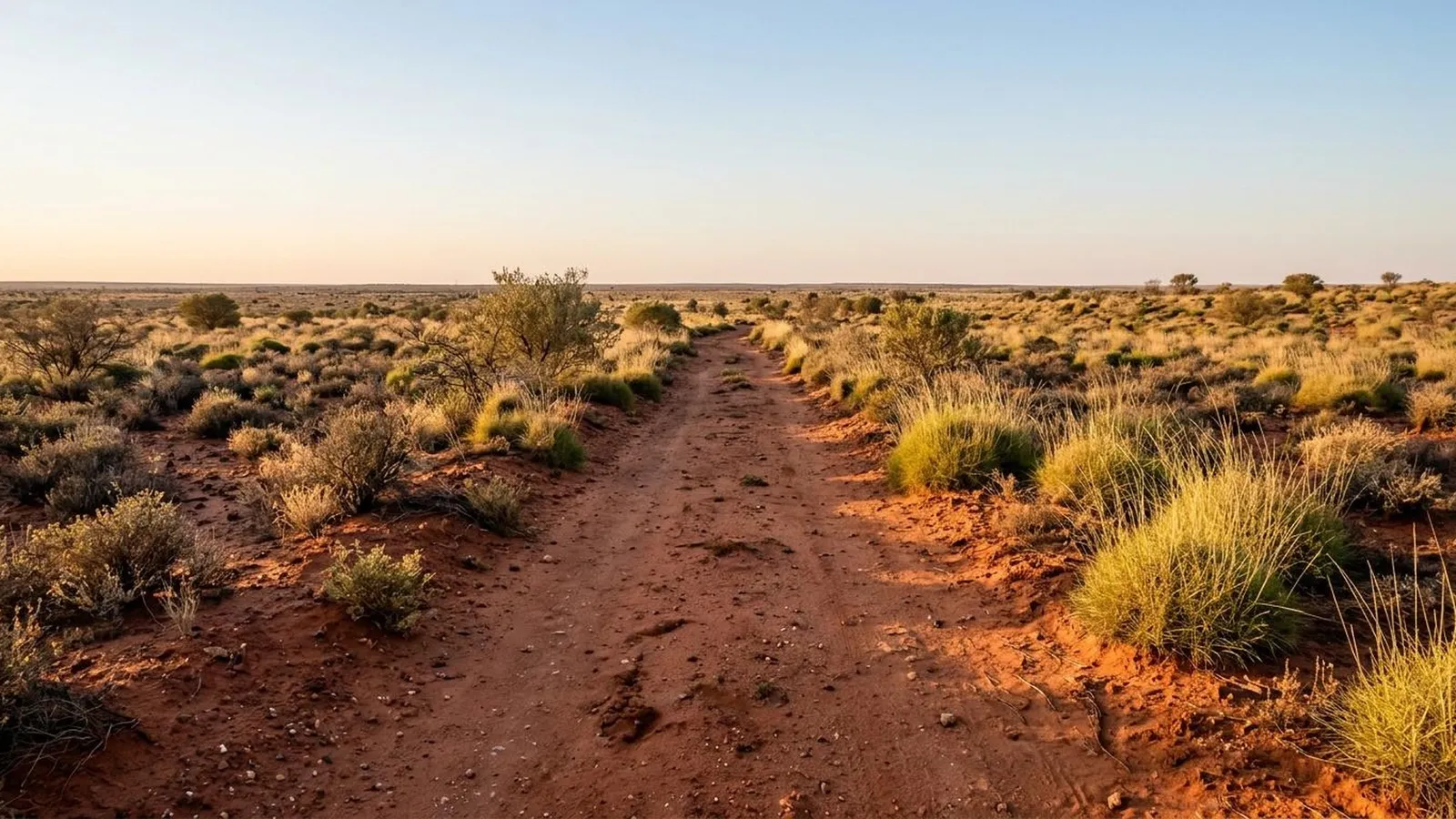
Uluṟu can become a familiar image long before it becomes a place you understand. For a first visit, make room to walk beside it and listen to some of the knowledge the park’s rangers share. That gives the experience a shape beyond finding the right distance for a photograph.
The Mala walk is a concrete place to begin. It offers a shorter encounter along the base, with interpretation that can change what you notice in the landscape.
Begin with the ranger experience
Parks Australia lists a free ranger-guided Mala excursion from Mala carpark, with a two-kilometre return walk and about ninety minutes allowed. The published description covers an introduction, time following the walk and ranger interpretation, including at Kaṉtju Gorge. Ranger-guided Mala walk.
Read the current arrangements before arriving. The programme is more useful to you as an opportunity to learn than as a promise that a particular guide, format or personal background will be present. Do not assume every ranger is an Aṉangu guide, or that the activity grants access to knowledge or places not offered to visitors.
Bring a question you would like to understand better, then make room for the explanation you are given. Geology, plants, rock art and cultural meaning can offer different ways of attending to the same place.
Give the shorter walk its own value
You do not need to add the whole base circuit to make this a substantial experience. The published Mala route is a return walk, not a circuit around Uluṟu. The park lists its distance and route grade separately from the longer walks.
A shorter plan can leave more attention for listening and looking. It can also leave room for the Cultural Centre or another appropriate activity on a different part of the day, rather than treating every open hour as walking time.
The park describes this ranger walk as wheelchair accessible, but discuss your particular needs, transport and current conditions before relying on that general description. A route label does not answer every visitor’s access question. Mala walk details.
Know what the free activity does not include
A free ranger excursion is not the same as free access to the national park. Parks Australia requires a park pass, with concessions or exemptions applying according to its rules. Getting to the park and then to the departure point is another part of the plan. Park pass information.
Confirm the seasonal start time and how you will reach Mala carpark. Do not treat the time listed for the walk as including a journey from your accommodation.
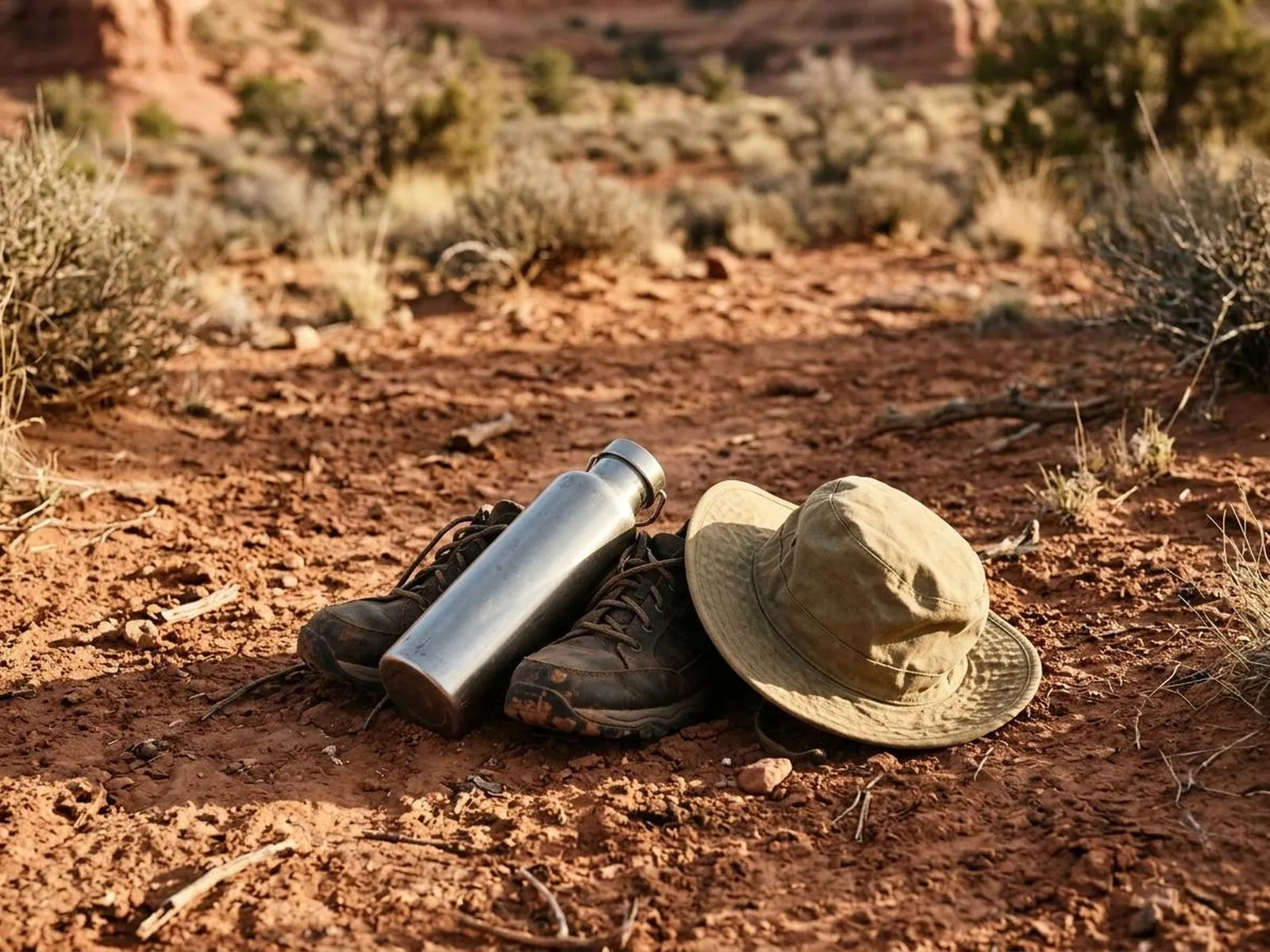
Before setting off, check the park’s access report and follow the conditions and directions in force. Pack water, sun protection and suitable footwear, using the park’s guidance for your visit.
Let respect shape what you do
Follow marked paths and signs about restricted areas and photography. Parks Australia asks visitors not to enter or photograph restricted places and to seek permission before photographing Aṉangu. Some things you learn or see are not yours to collect as images. Cultural guidance.
The climb has been permanently closed since October 2019. A visit beside Uluṟu is the experience being proposed here; reaching a summit is not an option to add to it. Climb closure.
You can put the camera away for part of the walk and still leave with something particular: a feature you now recognise, an explanation you had not considered, or an understanding of why a boundary matters.
Finish with a different picture in mind
Ask yourself what changed between your first view and the end of the visit. Perhaps the rock no longer feels like an isolated attraction but part of a living cultural landscape. Perhaps one story or feature gives you a reason to keep learning.
That is enough for a first encounter. You can value a famous place without trying to do everything around it, and you can leave some of its meaning with the people whose Country it is.