See Stanley Park differently on a Talking Trees walk
Join a Talaysay cultural guide for a forest walk that connects plants, place and Indigenous knowledge.

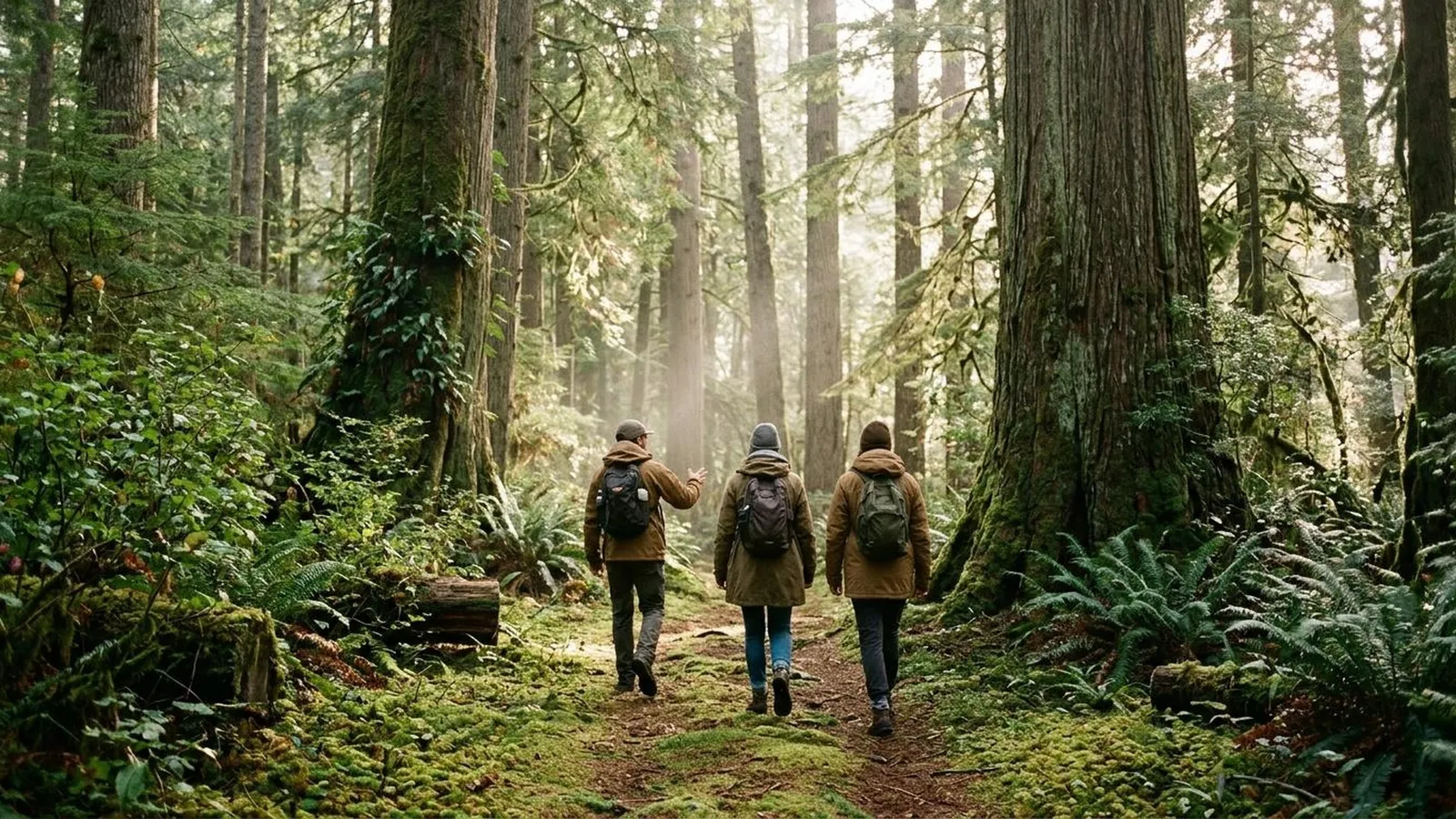
A park can become familiar through its views and still remain largely unknown to you. A guided walk offers the possibility of noticing another layer: relationships with the land that a casual visitor would not discover simply by following a path.
Talaysay’s Talking Trees experience in Vancouver’s Stanley Park makes that a specific ambition. You go to listen and learn in a forest setting, with the guide’s knowledge shaping what you notice.
Choose the Stanley Park experience
Talaysay lists Talking Trees in several locations. Its Stanley Park offering is described as a ninety-minute experience focused on plants and trees, their cultural significance and their uses for food, medicine and technology. Confirm you are selecting the Vancouver product and its actual meeting point. Tour catalogue
The specific tour page describes a walk toward the Beaver Lake area, beginning at the Stanley Park Bus Loop. It explains that the stories and experience vary with the season and the group. That makes the walk more interesting, but it also means a particular plant, demonstration or story should not be treated as a fixed inclusion. Stanley Park Talking Trees
Listen to how the guide identifies their own community, perspective and relationship to the place. Indigenous knowledge is not a single body of information that one short tour can represent completely. Let the specificity of the person and setting be part of what you learn.
Come with a question and leave room for others
You might be curious about the uses of a tree, stewardship or the way knowledge is shared. Ask questions at appropriate moments and follow the guide’s lead about what can be discussed, photographed or recorded.
Do not convert an explanation of plant use into permission to harvest, eat or prepare a remedy. A cultural learning experience is not a personal foraging qualification or medical consultation. Enjoy the encounter without trying to reproduce every practice independently afterward.
The walk can be especially rewarding for someone who already enjoys natural history. It introduces another way of understanding a place without requiring you to identify every species or bring specialist equipment.
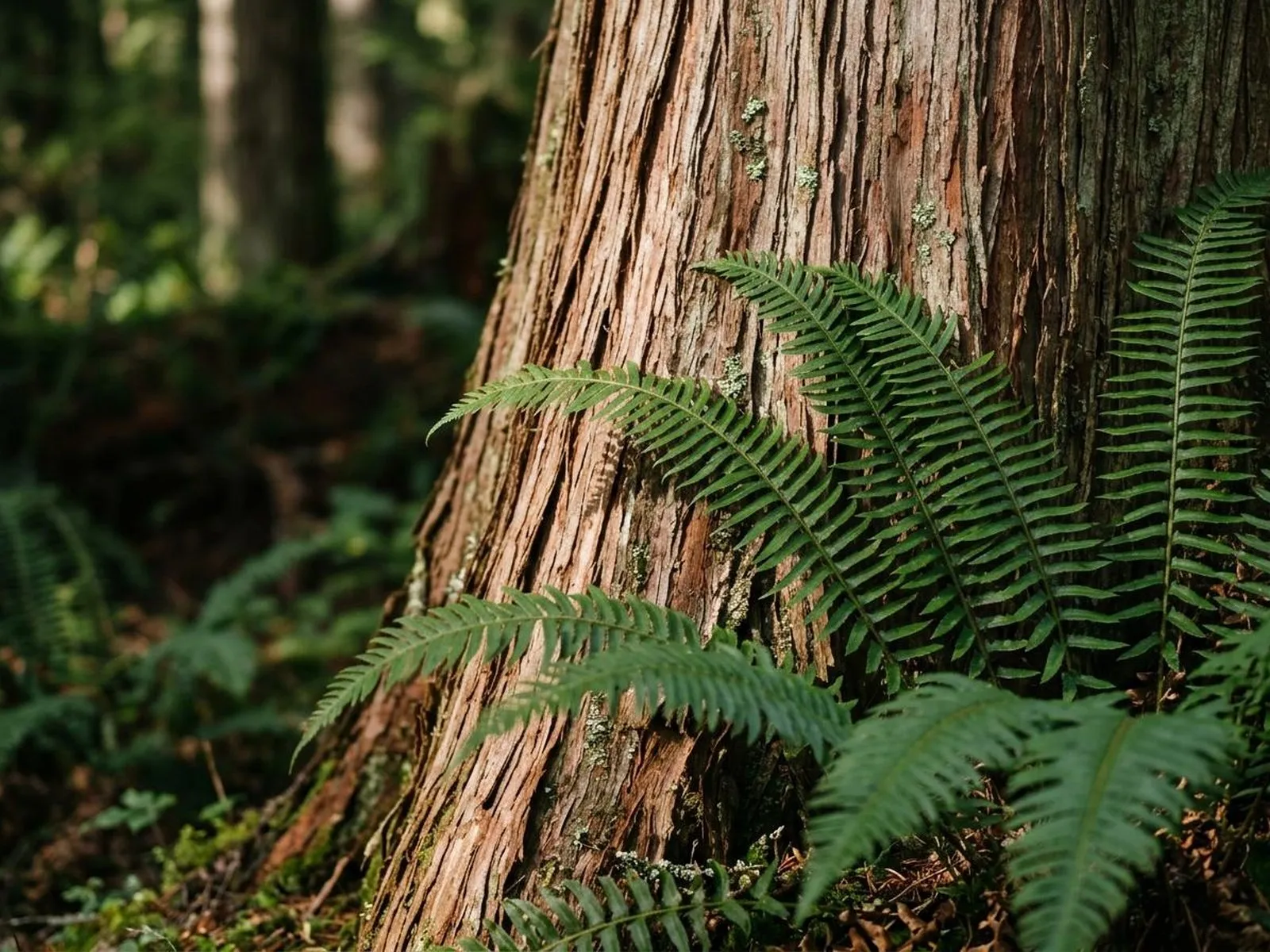
Make a workable outing
Check scheduled departures before building the rest of your day around the tour. The provider notes that an empty booking calendar may mean the experience is not currently scheduled; an available gift card is not a confirmed departure.
Ask about surfaces, inclines, pace and any assistance you need. The provider describes gravel paths and varying conditions. Its general description of suitability does not answer every individual access question. Dress for the current weather and follow the confirmed meeting instructions rather than navigating only to the park entrance.
Give the walk time to settle afterward. A quiet break or an ordinary stroll can help you revisit something the guide explained without immediately replacing the experience with another attraction.
Before leaving Vancouver, write down one question the walk answered and one that it opened. You might return to a familiar tree or green space at home with more curiosity about its history and care. The milestone is a walk taken with attention and respect, and a place you now see with more depth.