Follow the first flights across the ground at the Wright Brothers memorial
Connect a famous aviation story with its physical setting, using the flight markers and a ranger’s interpretation rather than rushing to the monument.

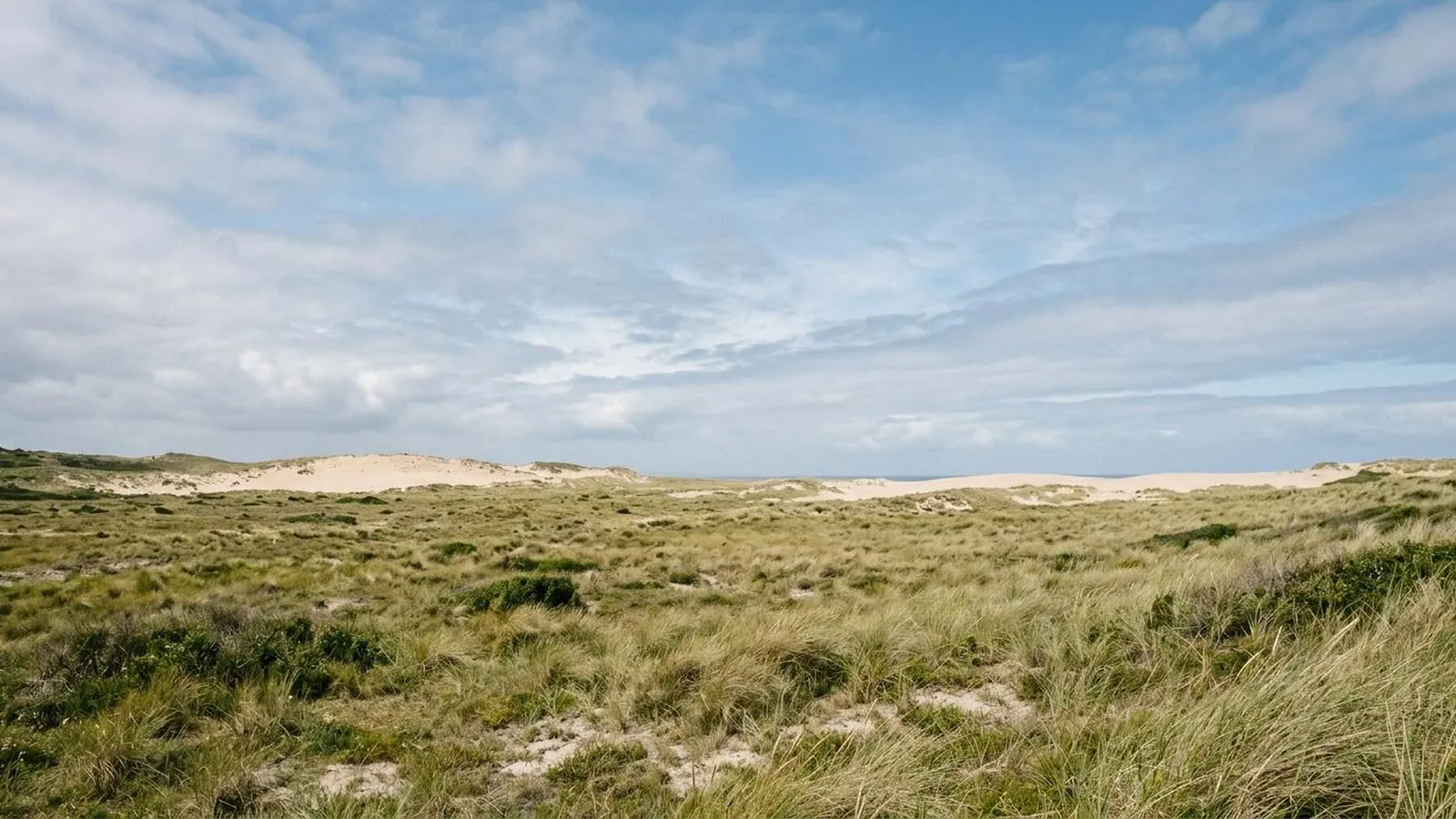
You may know the first-flight photograph so well that the place behind it feels familiar. Visiting gives you a different way to encounter the story: the ground has a scale, separate points have a relationship and the celebrated moment sits within years of work.
At Wright Brothers National Memorial in North Carolina, make that relationship the reason to go. Begin with where the flights happened rather than letting the monument become the whole visit.
For someone interested in aviation, engineering or the persistence behind a difficult project, a modest walk can carry more meaning than another photograph of a famous name.
Put the flight line before the victory picture
NPS distinguishes the First Flight Boulder and flight line from the monument on top of Kill Devil Hill. It also lists the visitor centre and museum, reconstructed camp buildings and a commemorative sculpture. These are different parts of the account, not several views of the same thing. Choose the places to visit.
Use the markers to ask a concrete question: what does being here help you understand that the familiar photograph did not? You might notice the relationship between work space and flying ground, or simply find that a distance becomes easier to imagine when it is in front of you.
Keep reconstruction and surviving evidence distinct. A reconstructed camp building can support interpretation without being an untouched room from 1903.
Let a ranger connect the pieces
The park describes Wind and Sand as a roughly thirty-minute introduction involving a short walk to the camp and first-flight locations. It is offered as staff and volunteers are available; use the current event calendar rather than treating it as a departure guaranteed by this article. NPS lists no separate activity fee for the program, while park entry has its own charge. Ranger-program information.
A good question to take along is how the experiments changed, rather than only when success arrived. Listen for a decision, adjustment or practical problem that makes the achievement feel like work people actually did.
If no program fits your date, choose the self-directed visit deliberately. You can still give the flight line and museum a shared question instead of trying to absorb every explanation.
Choose a version of the day that fits you
The hilltop monument is one option within the visit, not a test every traveller must complete. Establish the current paths, gradients and assistance relevant to the places you want to reach.
The park warns that the grounds have little shade. Check weather conditions and plan water, sun protection and rests around the outing you choose. Do not let a short distance on a map persuade you to ignore the conditions outside.
With an aviation enthusiast and a less committed companion, agree on one shared part and leave room for different interests. One person may enjoy the technical story while another is more interested in how a familiar historical event is commemorated.
Leave with a detail you can explain. The bucket-list experience is not merely standing near a monument: it is letting a famous achievement become a place, and a place become a little more understandable.