Explore four thousand years of homes at Jarlshof
Make a Shetland visit about how people kept remaking a place, from prehistoric houses to Norse settlement and later buildings.

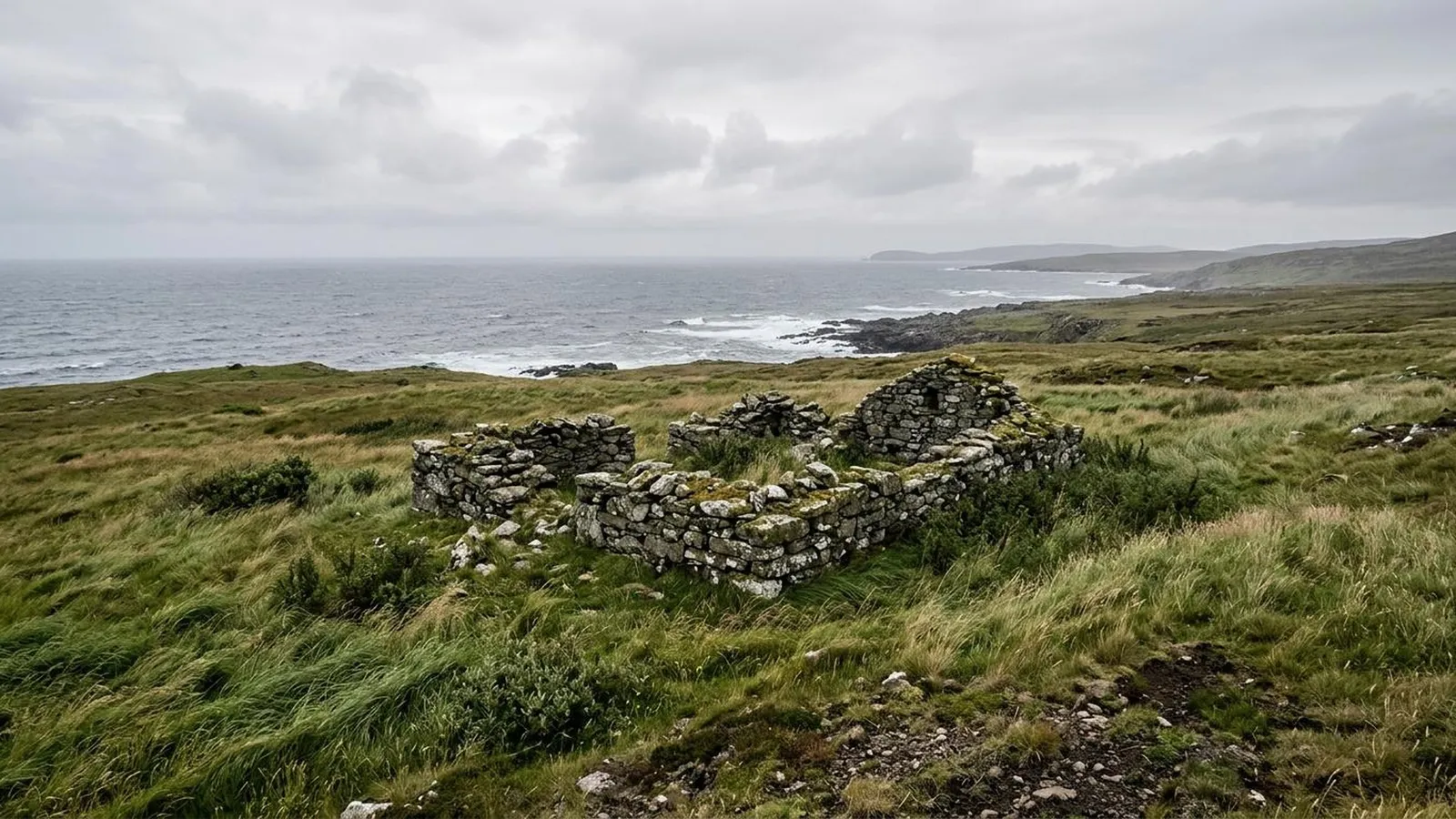
A wall can be easier to understand when you imagine the ordinary work beside it. Where did people cook, keep possessions or find shelter? At Jarlshof in Shetland, those questions can follow you through several very different kinds of home in one place.
This experience suits a visitor who enjoys archaeology at the scale of everyday life. Instead of collecting a series of unrelated ruins, you can compare how successive communities used a particular coastal setting.
Read the site as several periods
Historic Environment Scotland describes more than four thousand years of settlement at Jarlshof, near Sumburgh on Shetland’s mainland. Its remains include Bronze Age houses, an Iron Age broch and wheelhouses, Norse longhouses, a medieval farmstead and a later laird’s house. Those buildings belong to different periods; they are not one village preserved at a single moment. Site overview
Use the interpretation to find two contrasting structures. Compare their outlines and entrances, then look for what the explanation says about their use. Notice where you can confidently recognize a feature and where you need an archaeological reconstruction to make sense of it.
You might follow one domestic question throughout: how was space divided, or how did a household relate to its neighbours? Keeping the question small makes it easier to remember differences without trying to learn every date.
Treat the landscape as part of the visit
The site overlooks the West Voe of Sumburgh. Pause where the visitor route allows and think about the relationship between a house and its surroundings. Which parts of the setting can you see for yourself, and which parts of its past must be explained through evidence?
Avoid filling every gap with a romantic story of remote island life. A modern impression of wind, openness or beauty does not tell you exactly how somebody experienced the place centuries ago. The interest lies in combining what is visible with what the interpretation can support.
An audio guide is listed among the site’s facilities. Check how it is provided for your visit and whether it will help you follow the chronology. You can also choose to stop and read rather than feeling obliged to keep pace with another visitor.
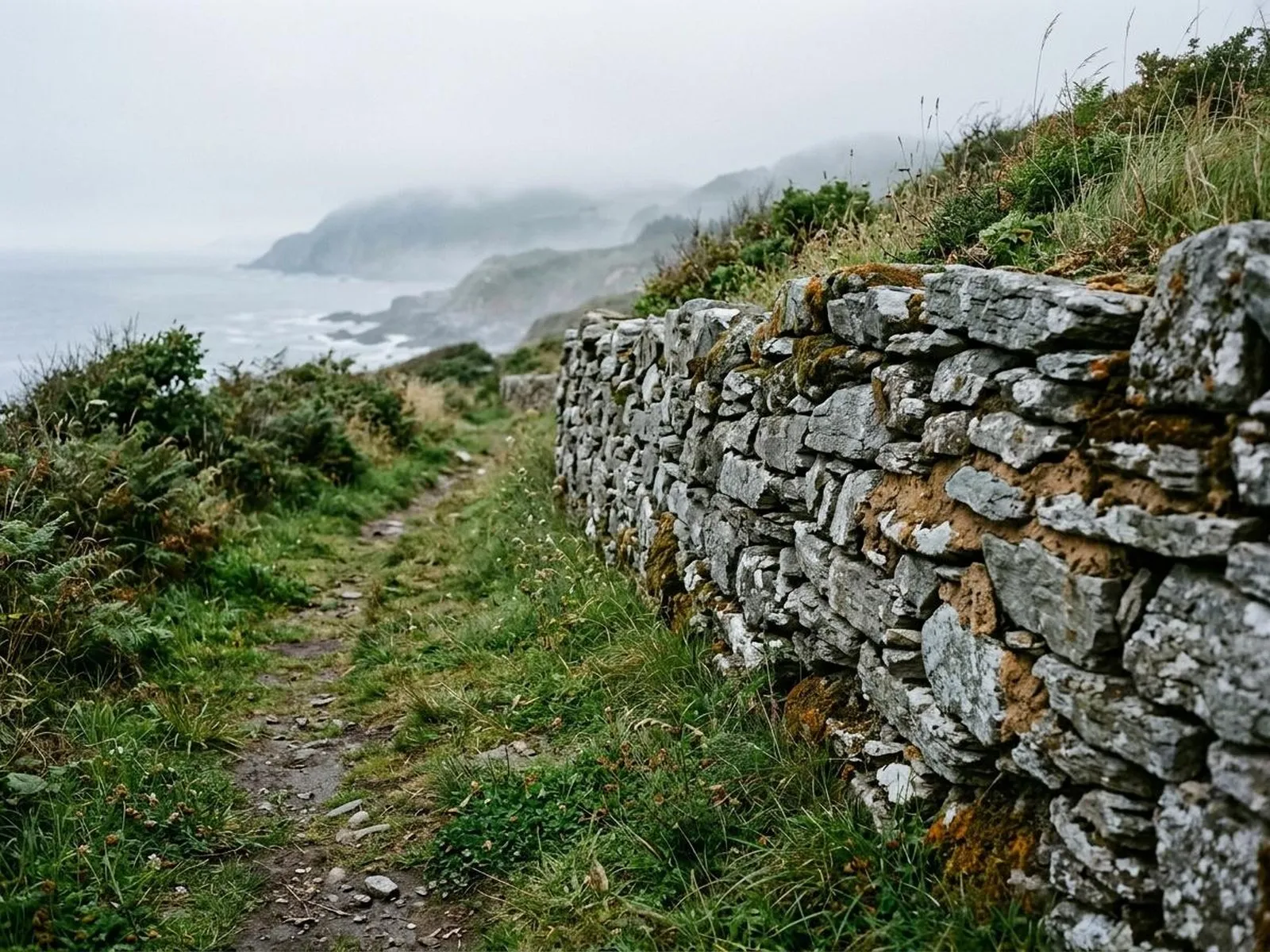
Plan for winter opening and uneven remains
As checked in November 2026, the October–March schedule is Tuesday–Saturday, 10am–4pm, with closure for lunch from 12:30–1:30pm and last entry at 3pm. The site is also closed December 25–January 4. Check your date against the current calendar. Plan your visit
The approach includes a steep ramp and grass and gravel sections. Within the site there are changes of level, protruding remains, narrow entrances and uneven steps. There are no toilets on site. Resolve any access needs with the operator before deciding what route to attempt.
Keep the surrounding day simple enough to accommodate the visit you can comfortably make. You do not have to enter every confined space to understand why the site matters. Following one thread through several periods can be more rewarding than trying to see every corner.
Leave with a sketch or a few words comparing two homes. The place becomes memorable when “ancient settlement” turns into a more specific picture of people arranging shelter and daily life differently over time.