Walk Derry’s walls with someone who can explain the view
A short city-wall walk can open a much larger history when you give the interpretation as much attention as the circuit.

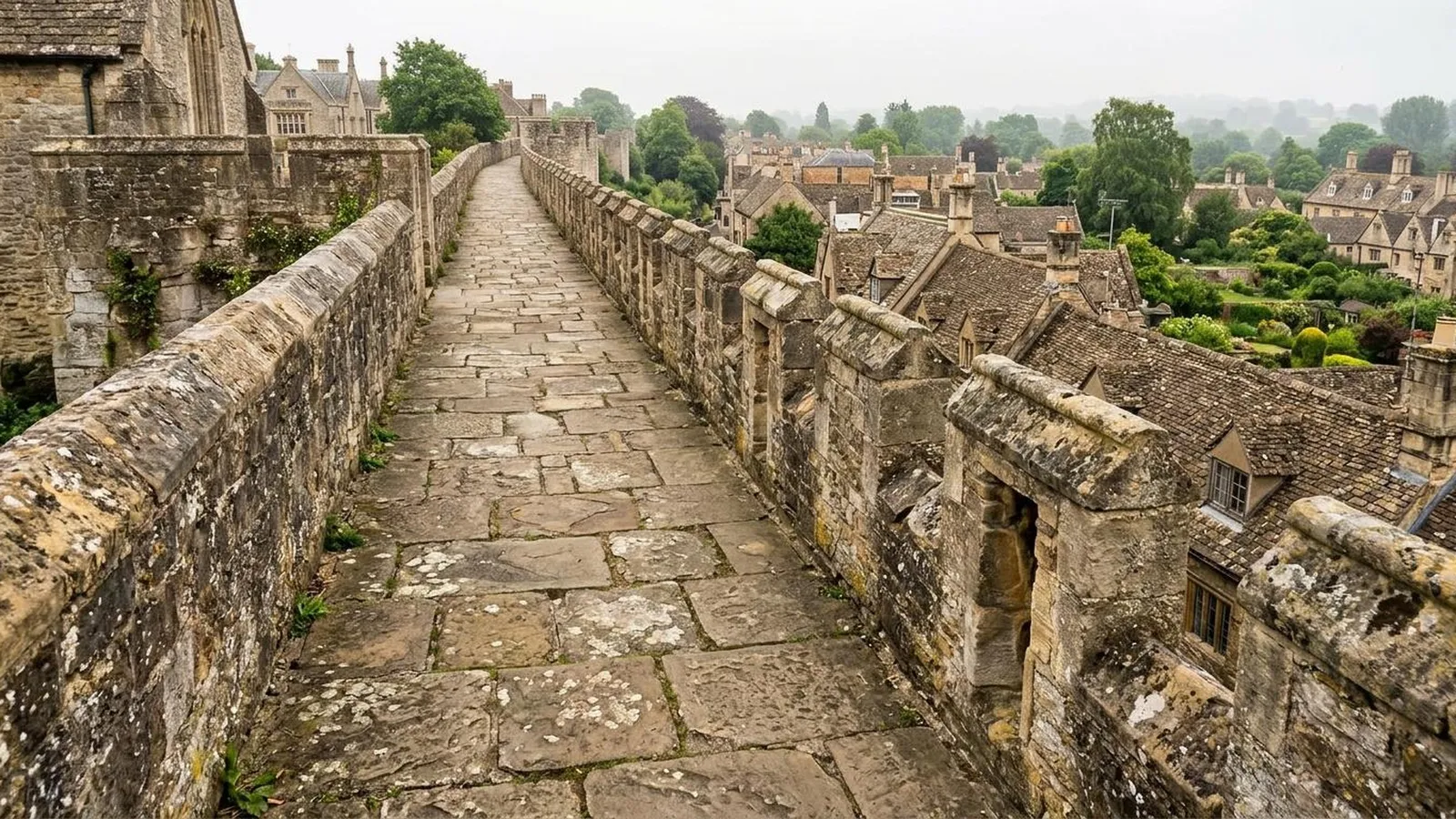
City walls offer an unusual way to meet a place. You can see the shape of the older city while looking outward toward the life around it. In Derry/Londonderry, that makes the walk especially interesting: the physical route is compact, while the history it raises is much larger.
Put a wall walk with local interpretation on the list, rather than simply a completed circuit. The point is to understand something of what you are looking at, and to leave room for questions that a map or photograph cannot answer.
A small route with a long history
Northern Ireland’s Department for Communities describes the walls as a walkway around the inner city, approximately one and a half kilometers in circumference. Its account dates their construction to 1613–1618. Public entry is free, though access can be restricted for works or other reasons. Check the current notice before treating a complete circuit as available. Derry Walls
Distance alone does not tell you how much time to give the experience. Gates, views and explanations can make a short stretch worth lingering over. You do not need to walk continuously or see the entire circuit to have a worthwhile encounter.
For a concrete guided option, Derrie Danders lists an Explore the City Walls public tour at approximately ninety minutes. It also offers a longer private wall tour and separate themed walks. Compare the actual tour descriptions and confirm a departure rather than treating all of them as interchangeable. Local operator tours
Choose the questions you bring
A good opening question is what the walls were built to do and how their meaning changed over time. Ask the guide to connect a visible feature with the period they are describing. It gives an abstract date a place in front of you.
Listen for the difference between an event, its interpretation and the way people remember it. A city with contested history deserves more attention than a neat story in which every viewpoint fits comfortably together. One tour can offer an introduction; it cannot speak for every resident or settle every historical argument.
If recent history, murals or a particular community’s experience is your main interest, select a tour that explicitly addresses that subject. A general walls tour need not include all those areas. Keep the scope clear so you are not asking a short walk to become a complete account of the city.
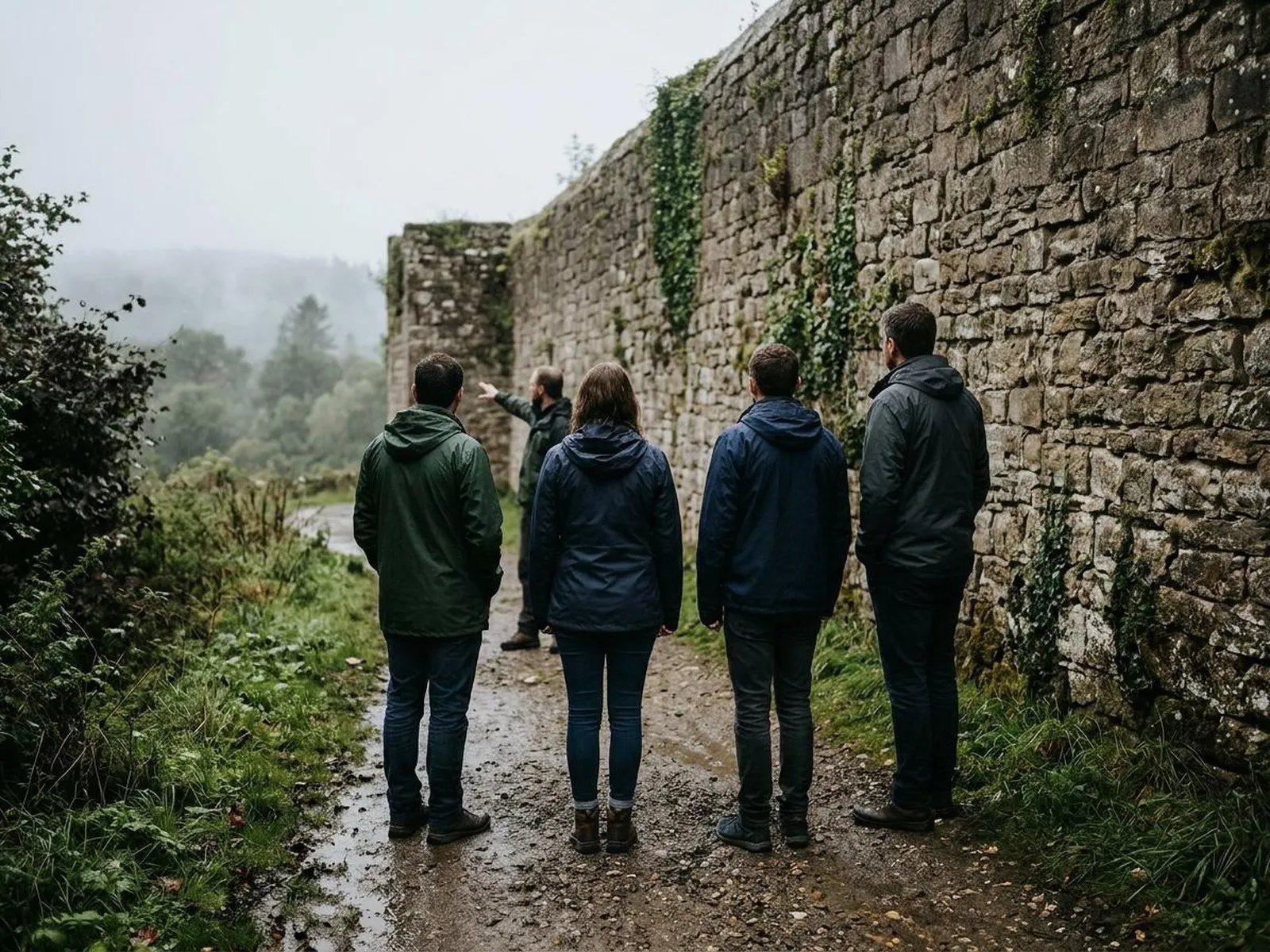
Make the walk work for you
Ask about steps, surfaces, pace and the planned route if they matter. The operator says its private wall route can be adapted for wheelchair users and other access needs when requested at booking. That is an arrangement to discuss, not a guarantee that an ordinary public departure follows the same route.
Dress for the current conditions and allow time afterward rather than placing the walk directly against another commitment. Listen without blocking the route, and ask before photographing people at close range. The view includes a lived-in city, not an open-air set created for a tour.
Afterward, choose one subject to follow further over a drink or through reading. It may be the early town, the walls’ construction, a building you noticed or the way the guide explained a difficult period.
The milestone is a particular kind of attention: walking a historic boundary while recognizing how much of the story lies beyond it. You can finish the circuit, but the visit succeeds when the city has become more understandable and more interesting than it was when you started.