Meet a Harris Tweed weaver in Northton
Arrange a small loom-shed visit on Harris and discover the work behind a fabric often encountered only as a finished souvenir.

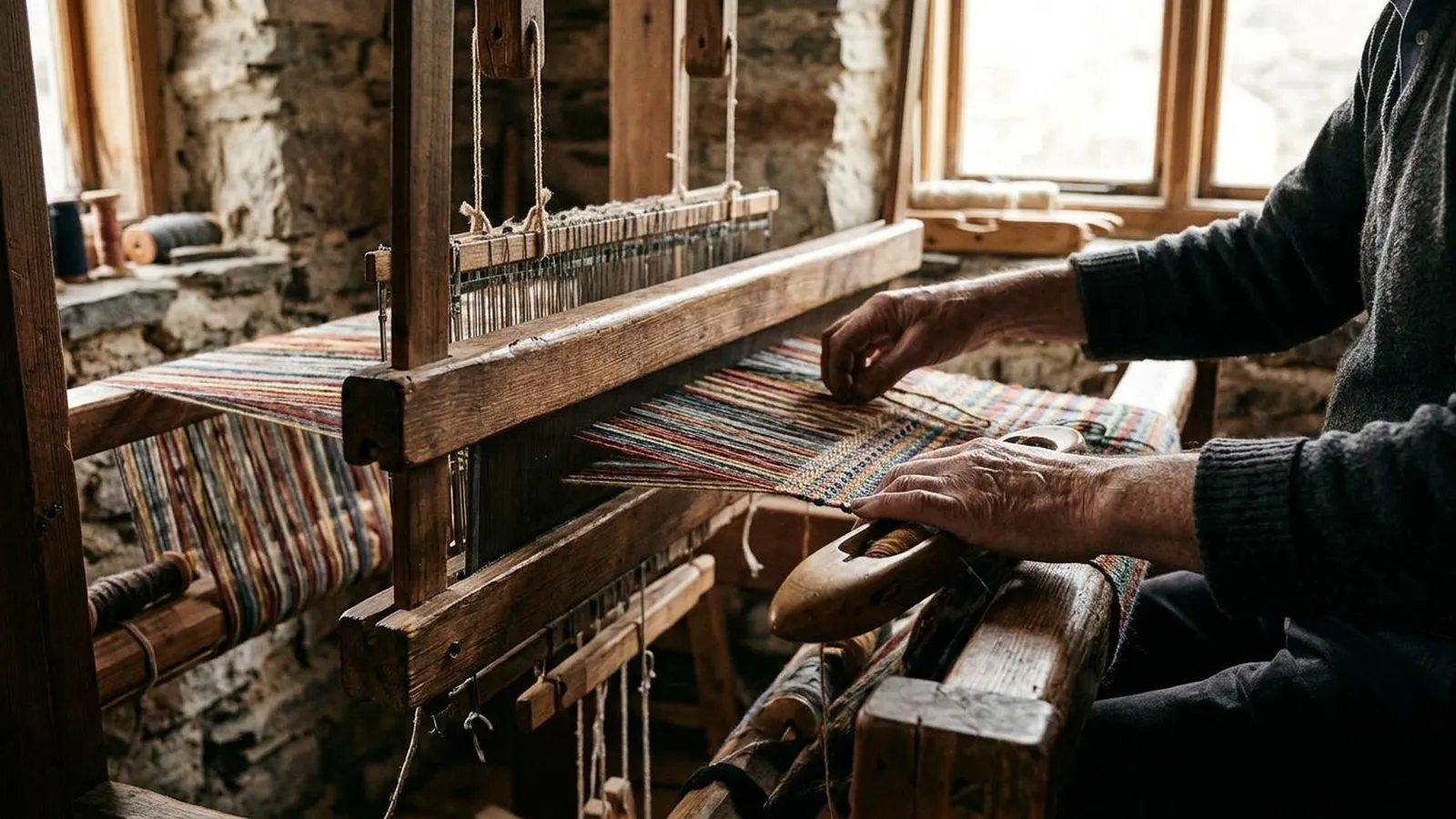
A piece of cloth can be a reminder of a landscape. Meeting the person who makes it adds another layer: decisions about pattern, the work of a loom and the ordinary concentration behind something you might otherwise admire only in a shop.
On the Isle of Harris, Taobh Tuath Tweeds offers a way to make that connection. Independent weaver Rebecca Hutton works in Northton and welcomes inquiries about visiting her loom shed. The invitation is to get in touch first, so she can confirm she will be there. It is not a promise of a continuous drop-in attraction. Visit the shed
Arrange the encounter before the journey
When contacting the weaver, explain when you will be on Harris and what you hope to see. Ask whether weaving is likely to be underway, whether a demonstration can be arranged and how much time is appropriate. A visit to a working shed and a scheduled demonstration are not automatically the same thing.
Ask about cost, group size, photographs and any access requirements at the same time. A small working space may not resemble a visitor center. A friendly invitation to visit does not establish step-free entry, seating, visitor facilities or a guaranteed activity. The best plan is the one the host has actually agreed to.
This makes a particularly appealing addition to an existing island stay. Keep transport and timing realistic, and do not put the appointment between a ferry arrival you cannot control and a tightly timed departure. Tell the host if your plans change.
Look at the cloth more closely
Rebecca’s own account describes designing and making fabric in Northton. Her background information explains how color and pattern contribute to the finished cloth. The broader Harris Tweed tradition is rooted in the Outer Hebrides, with home handweaving central to its identity. About the weaver
Instead of trying to master the entire process during a short visit, choose a few questions. What changes when the pattern changes? How does the yarn become the cloth in front of you? What part of the work does a visitor usually overlook? Let the conversation follow what the weaver is doing and has time to explain.
If there is a demonstration, the pleasure may be in watching a sequence become comprehensible. If weaving is not underway, a conversation and an agreed look at the space can still be worthwhile. Decide beforehand whether that would satisfy your interest. Do not assume you will be allowed to operate the loom: a making workshop is a separate experience that would need its own arrangement.
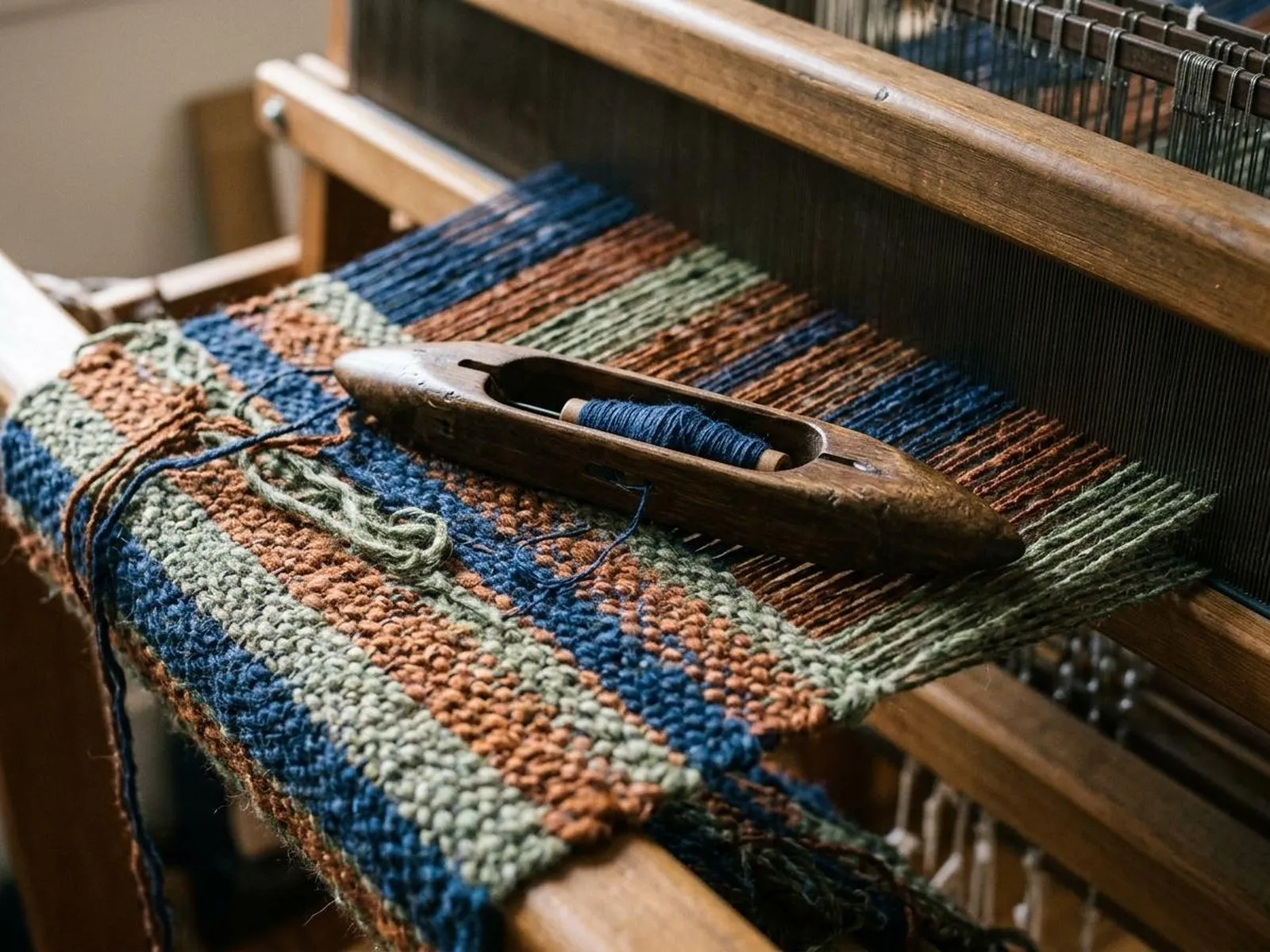
An island craft, not an unlimited visitor attraction
The Harris Tweed Authority’s trail is useful for exploring other places connected with the industry on Harris and Lewis. It explicitly advises contacting weavers and artisans before traveling to their premises. Use it to make a few thoughtful connections, rather than turning a series of working addresses into an unannounced tour. Harris Tweed Trail
You may want to buy cloth or a finished item, but establish what interests you independently of feeling obliged to purchase. If you do buy, ask about the particular piece and who made it; a shop can carry work from more than one maker.
The milestone here is an encounter with living craft: a visit arranged, a process better understood and a material you will see differently afterward. You can leave with a souvenir. The more lasting change may be that a woven pattern no longer looks anonymous.