Read Manchester’s industrial story at the Millyard Museum
Give an ordinary American city a deeper look through textile production, migration and the people who worked there.

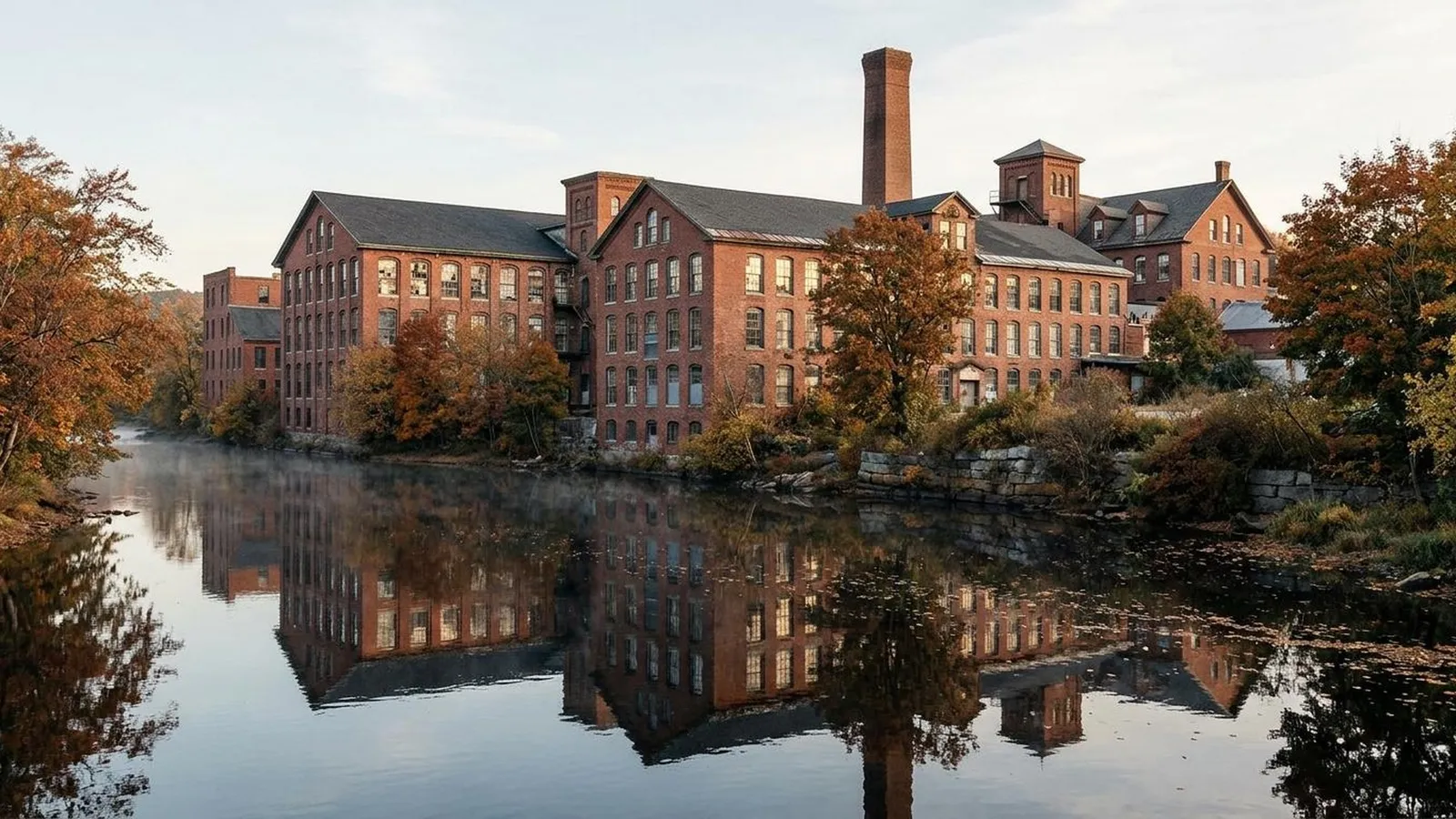
An industrial city can look very different once you understand something about the work that shaped it. Buildings that seemed like a background become evidence of decisions about power, production, movement and people.
In Manchester, New Hampshire, make the Millyard Museum the focus of that encounter. This is the American Manchester, not a substitute for an industrial-history visit in England. Its own place and workforce deserve attention on their own terms.
Begin inside the mill
The Manchester Historic Association places the museum in Mill No. 3 of the Amoskeag Millyard. Its permanent Woven In Time exhibition connects the area’s earlier history with textile manufacturing and the growth of the city. That setting helps give the subject a physical scale: the story is being told inside part of the industrial landscape. Museum overview
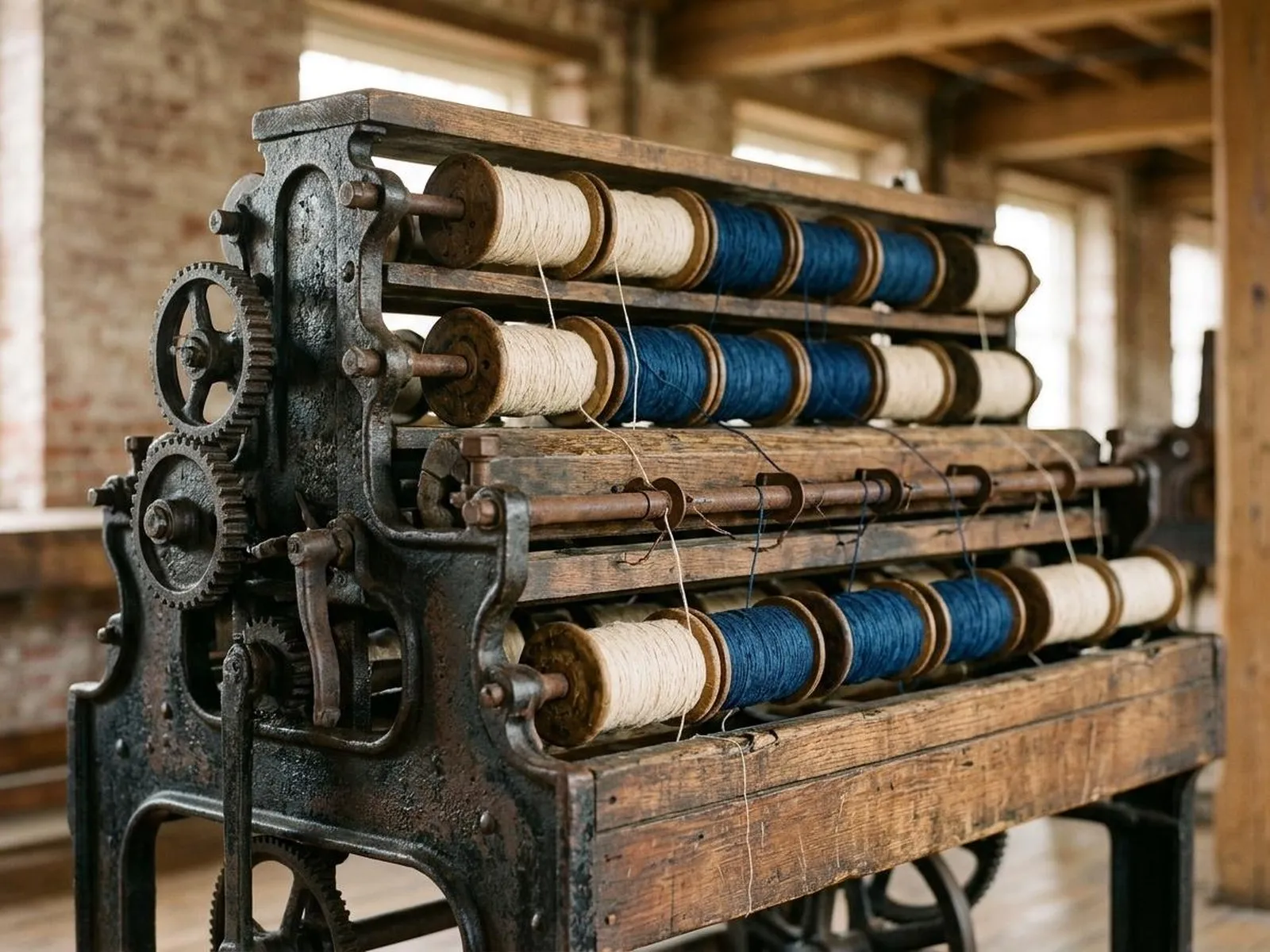
The exhibition describes the transformation of raw cotton into cloth and the lives of people who came from different countries. Choose one of those threads rather than attempting to memorize the whole chronology. Exhibits and tours
For a technology interest, follow the relationship between materials, machinery and the organization of work. For a family-history or social interest, pay attention to migration and daily life. The same place can answer different questions without becoming only a story of engineering achievement.
Connect an object with a person
When you encounter a tool, photograph or document, ask what it helps you understand about someone’s day. What work did it represent? Who decided how that work would be done? What can the exhibit establish, and what remains outside its account?
That approach makes room for the people involved without inventing a single shared experience for every worker. A museum can introduce you to a complex industrial past; it need not turn it into either uncomplicated nostalgia or one tidy explanation.
If a temporary exhibition or an organized tour particularly interests you, check its current dates and booking arrangements. Do not assume the permanent collection and every advertised program are included in the same visit or available throughout the year.
Find the correct entrance
The published visitor address is 200 Bedford Street, with the entrance on Commercial Street. Use the museum’s directions rather than assuming the postal address identifies the door you need. Check current hours, holiday closures, parking and access arrangements before setting out. Plan your visit
Leave time afterward if you would like to look at the surrounding public streets. Check local signs and routes; the existence of an old mill does not make its current interior or grounds open to visitors. A short look at the buildings after the exhibition may be enough to connect the account with the place.
There is no need to turn the visit into a grand industrial tour of New England. A few hours spent understanding one city can be a satisfying ambition in a region where coastal scenery and famous historic destinations often get the attention.
Before leaving, choose one change in your understanding to remember. Perhaps a familiar kind of brick building now suggests a particular activity, or a piece of cloth has become connected with a workforce and a city. That is a worthwhile outcome for a bucket-list experience: an ordinary object or place has become less anonymous.