Watch the fish ladder at Seattle’s Ballard Locks
Seattle’s fish ladder offers a patient look at salmon migration, with seasonal timing and a worthwhile observation plan even when few fish appear.

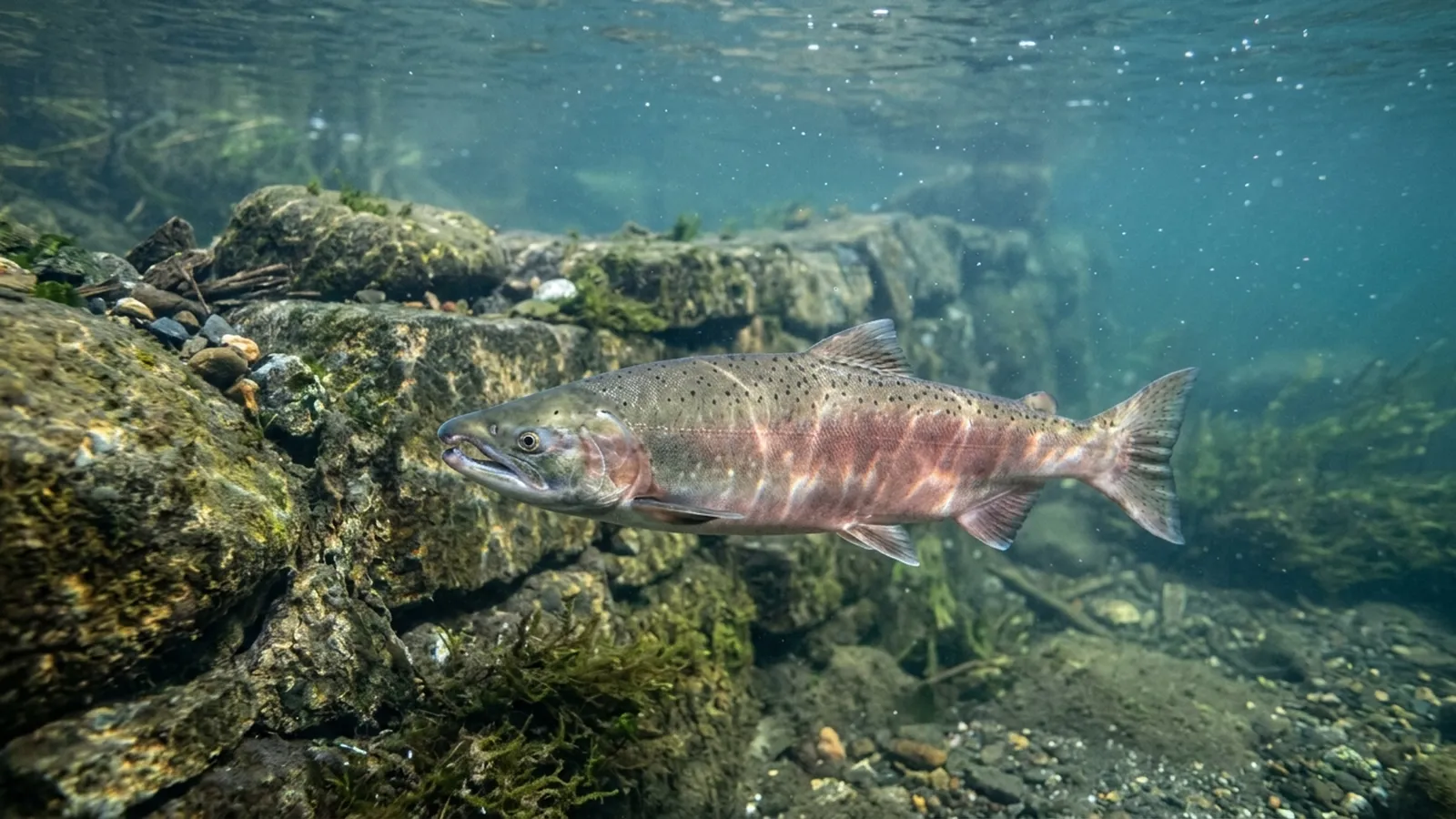
A fish ladder is a more interesting bucket-list experience if the goal is to understand a journey, rather than tick off a guaranteed animal sighting. At Seattle’s Ballard Locks, the question is visible and practical: how do migrating fish get past a structure that changes the way water and boats move?
The experience rewards patience. There may be obvious movement, a quiet interval or very little to see during your stop. A visit built around observing the system can still work; a day built around a promised crowd of salmon can disappoint.
Understand what you are looking at
The U.S. Army Corps of Engineers’ fish-ladder page, read in a normal browser on November 17, 2026, explains that the ladder uses a series of weirs to give fish a gradual upstream route. It also describes the link between Lake Washington and Puget Sound and the fish’s wider migration.
That is enough background to change the visit. Rather than seeing each fish as an isolated object behind glass, imagine it moving through a much larger route. The window offers only one brief section. You are not seeing the entire migration or learning everything about the population from the number of fish present in front of you.
Try making a small prediction before you look. Will a fish travel straight through, pause or turn? Then watch without needing your prediction to be right. The interesting part is noticing what actually happens.
Choose timing by species, not a single salmon season
The Corps lists different upstream viewing windows: Chinook from July through November, Coho from August through November and Sockeye from June through October. Its seasonal guidance identifies later August, later September and July respectively as stronger viewing periods. These are broad patterns, not a booking guarantee.
Use the official fish-count links to understand recent activity. The page cautions that count data is preliminary and updated as a weekly summary. A count is not a promise of what you will see at a particular window or hour.
If salmon observation is your main reason for traveling, keep some flexibility. If you are already spending time in Seattle, make it one of several possible outings. The lower the pressure on this one stop to deliver a spectacle, the easier it is to look with real curiosity.
Give yourself an observation task
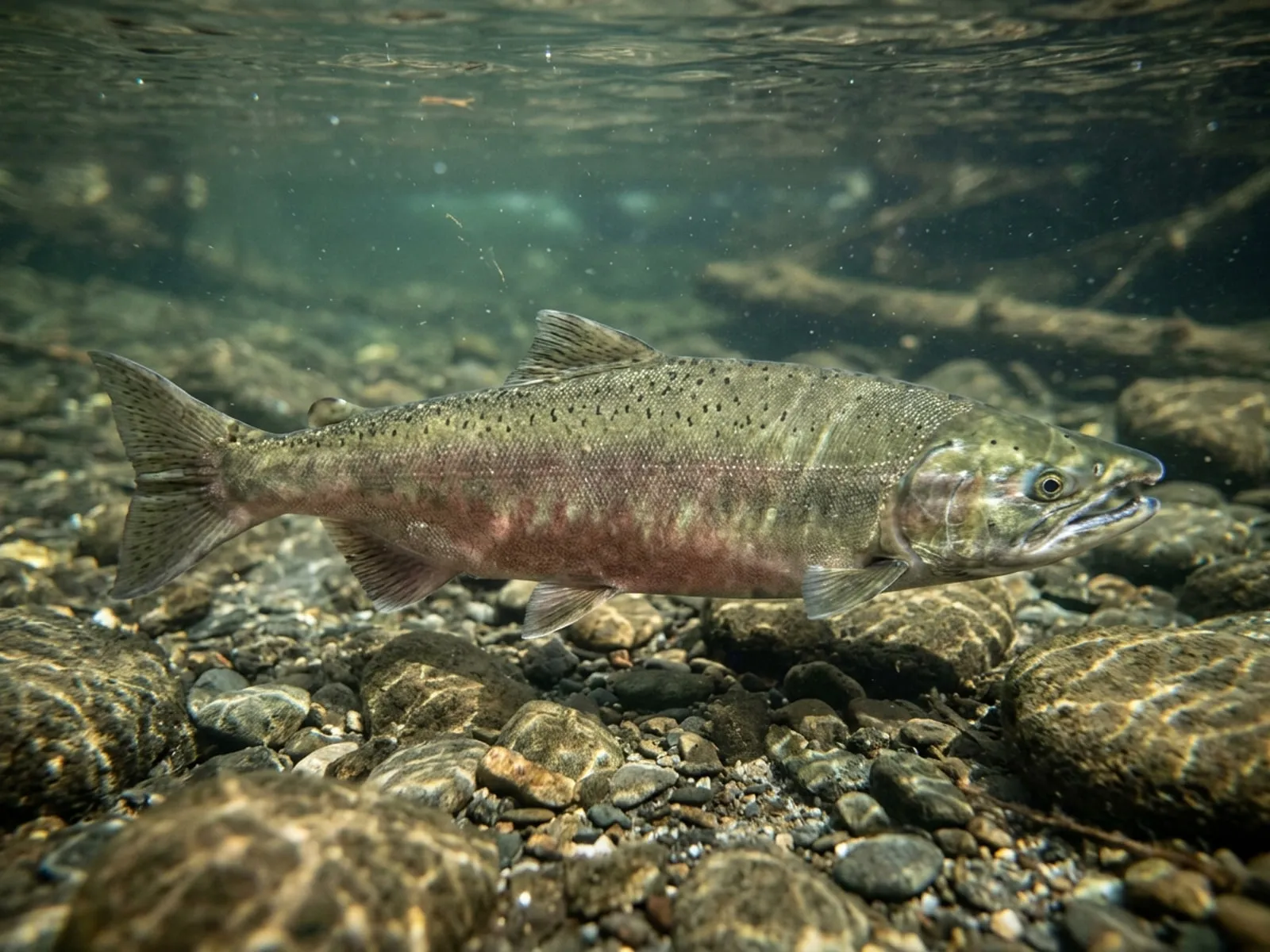
Start with a few minutes without a camera. Notice the direction and apparent speed of movement. Look at a fish’s outline and how it holds its position. Ask which details you can genuinely distinguish through the glass and which you are guessing.
A simple notebook entry might have three parts: what you saw, what the interpretation said and what remains a question. For example, “one fish paused near the edge” is an observation. “It was exhausted” is an interpretation you may not be able to support. Keeping those apart makes the visit more revealing, especially if children or a companion are looking with you.
There is no need to identify every species immediately. Use the site’s interpretation where available and be comfortable leaving an uncertain identification unresolved. The point is learning how to observe, not winning a test.
Keep a second reason for the outing
Ballard Locks is also an operating waterway site. The Corps’ main visitor information describes the locks and the botanical garden on the grounds. Look at its current visitor notices and access arrangements when planning the broader visit.
For an invented example, a visitor could allow a relaxed portion of an afternoon for the fish ladder, then choose between watching the locks and taking a garden walk, according to what is open and their energy. That is an editorial planning example, not a suggested official tour route or duration.
Do not assume the visitor center, viewing room and grounds share the same hours. A general “open” listing may refer to one part of the complex. If the viewing room is essential, confirm its own access rather than treating every building as interchangeable.
Decide whether this suits your day
This works well for someone interested in urban nature, engineering or an outing where a small observation is enough. It may be a poor fit if you need an assured wildlife encounter, have little flexibility or would find a quiet viewing window frustrating.
Check the route and any access needs before setting out. Do not turn a general description of public access into an assumption about every path, viewing position or day of operation. Keep clear of working areas and follow the signs and staff instructions on site.
The budget also includes getting there, possible parking and anything else you add to the outing. Avoid valuing the day by how many fish appeared. The memorable part might be understanding why a passage exists at all.
Fit it into a longer Seattle stay
Use Seattle’s place page for other experiences and transport context. RESTED’s Seattle longer-stay guide considers how outings fit around ordinary days rather than a packed sightseeing schedule.
If this sparks a habit, a local nature field journal is something you can continue at home. Learning two local birds by sound offers another modest observation project without a major trip.
Common questions
When is the best month? It depends on which species and whether the annual run follows the broad pattern. The Corps’ seasonal guidance and recent counts are more useful than one universal “best” date.
Will I definitely see salmon? No. Build a flexible visit around learning about passage and migration, with other parts of the outing available if viewing is quiet.
Can a count tell me how many fish will be at the window? No. The published count is population-monitoring information, not a live reservation for an encounter.
Sources checked November 17, 2026: USACE fish ladder, migration windows and count caveats; USACE locks visitor information. Both read in Chrome after the text-fetch tool returned 403.