Keep a field journal at one familiar place and see what changes
Return to the same small patch of nature with a notebook and give ordinary observations a chance to accumulate.

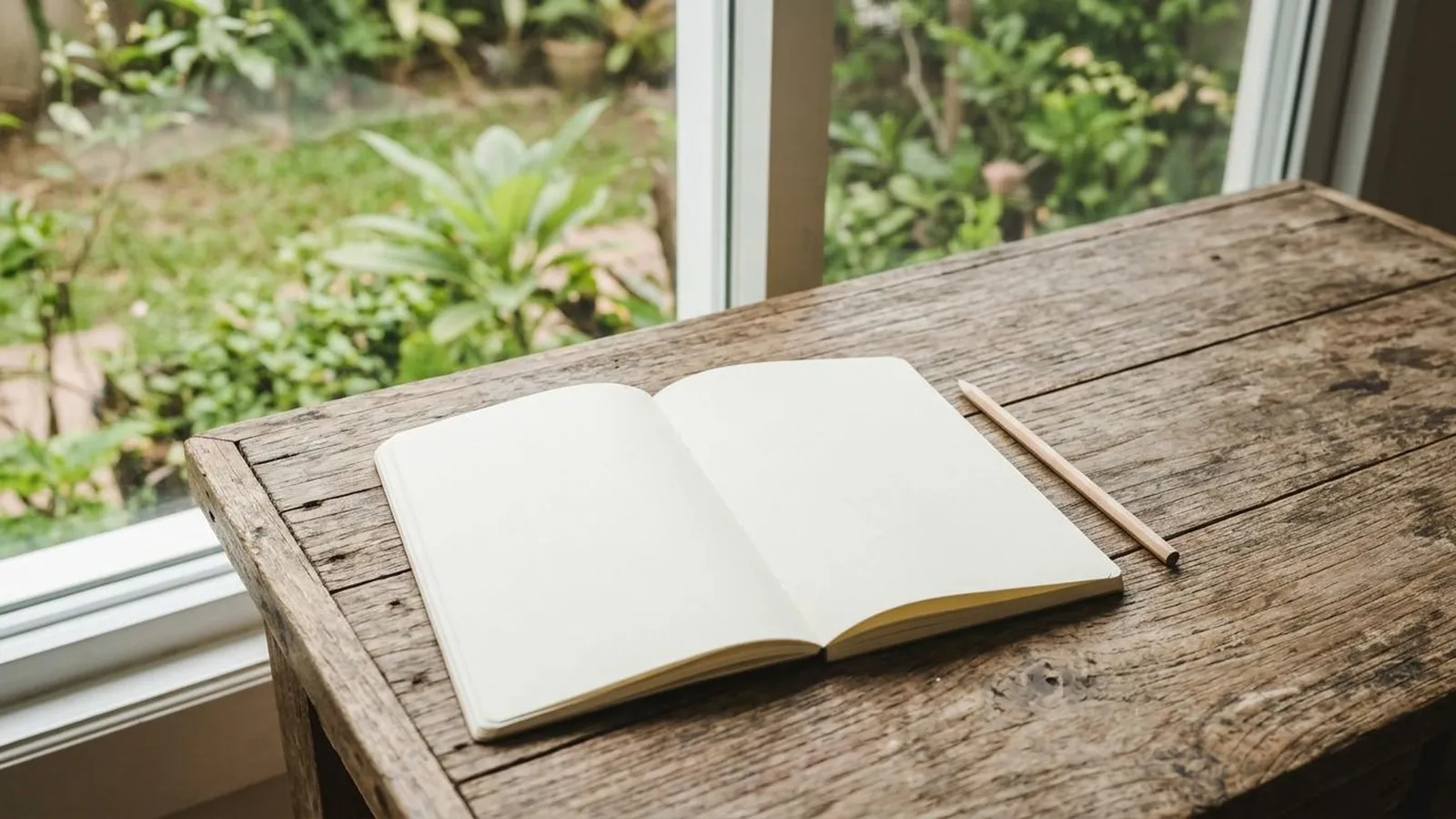
A place can be familiar without being closely known. You may pass the same tree, pond or patch of planting every week and still struggle to describe what has changed there.
A short field-journal project turns that ordinary place into an experience you deliberately make time for. The result is not a species total or an impressive drawing. It is a small record of paying attention.
Choose somewhere you can comfortably return to. A nearby park, a permitted garden space or the view from home can be enough.
Make the project small enough to repeat
Choose one place and a manageable series of visits. Four visits could be a useful beginning, but the number is yours; it is not a scientific sampling standard.
Pick a scale you can describe: a particular tree and the ground beneath it, one view across a pond or the plants visible from a seat. Avoid making the project so broad that every return feels like starting again.
Consider access, weather, opening hours and somewhere suitable to pause. The best place for this exercise is one you can visit without turning each session into a major expedition.
Record what will help you compare
The National Park Service’s nature-journaling lesson identifies date, time, location and weather as useful information, alongside observations and questions. Those basics work for an adult personal notebook too.
Write what you actually notice before trying to name everything. “Small bird with a pale stripe near its eye” is an honest observation if you do not yet know the species.
Keep later identifications separate from the original note. That preserves the difference between seeing something and learning what it may have been.
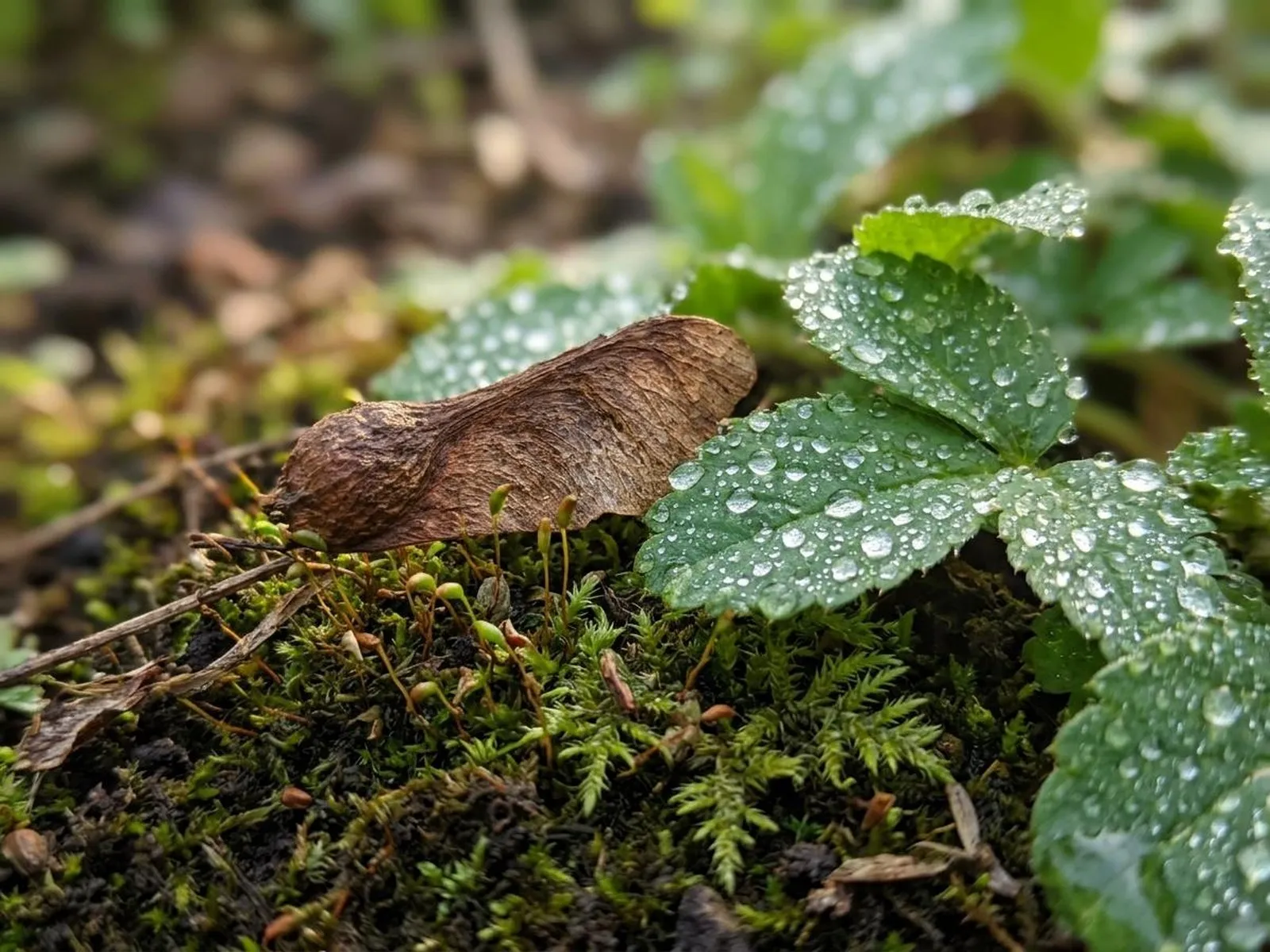
Let drawing be a way of looking
A quick shape, a rough map or a few marks showing a pattern can be useful even if you do not consider yourself artistic. You are using the page to notice, not preparing a picture for display.
You might choose the same feature on each visit and sketch it again. The differences can reveal what your memory smooths over.
If writing is easier, use words. If neither feels comfortable outdoors, make brief notes and finish the entry when you return. Do not let the format prevent the observation.
Give the place room to be ordinary
Some visits may produce no dramatic change. Record that too. You are not asking nature to provide a new attraction every time you arrive.
Notice sounds, movement, surfaces or the relationship between a shadow and a fixed feature. Keep clear which details are observations and which are guesses about their cause.
Follow local rules and avoid disturbing wildlife or collecting things simply to fill the notebook. A closer view is not worth approaching a nest or leaving a permitted path.
Look back before choosing another place
At the end, put the entries beside one another. What changed? What did you learn to recognize? Which question kept returning?
A private record does not need exact public coordinates. If you share it, consider whether identifying a sensitive wildlife location would be unhelpful.
You could continue, choose another season or simply keep the finished set as a record of one month in one place. No public account or social-media audience is required.
The bucket-list ambition is modest but real: know one familiar place better than you did before. It can begin on the next ordinary afternoon you have free.