Learn to recognise two birds by sound where you live
Make a small learning project out of hearing familiar birds differently, using identification suggestions carefully and leaving wildlife undisturbed.

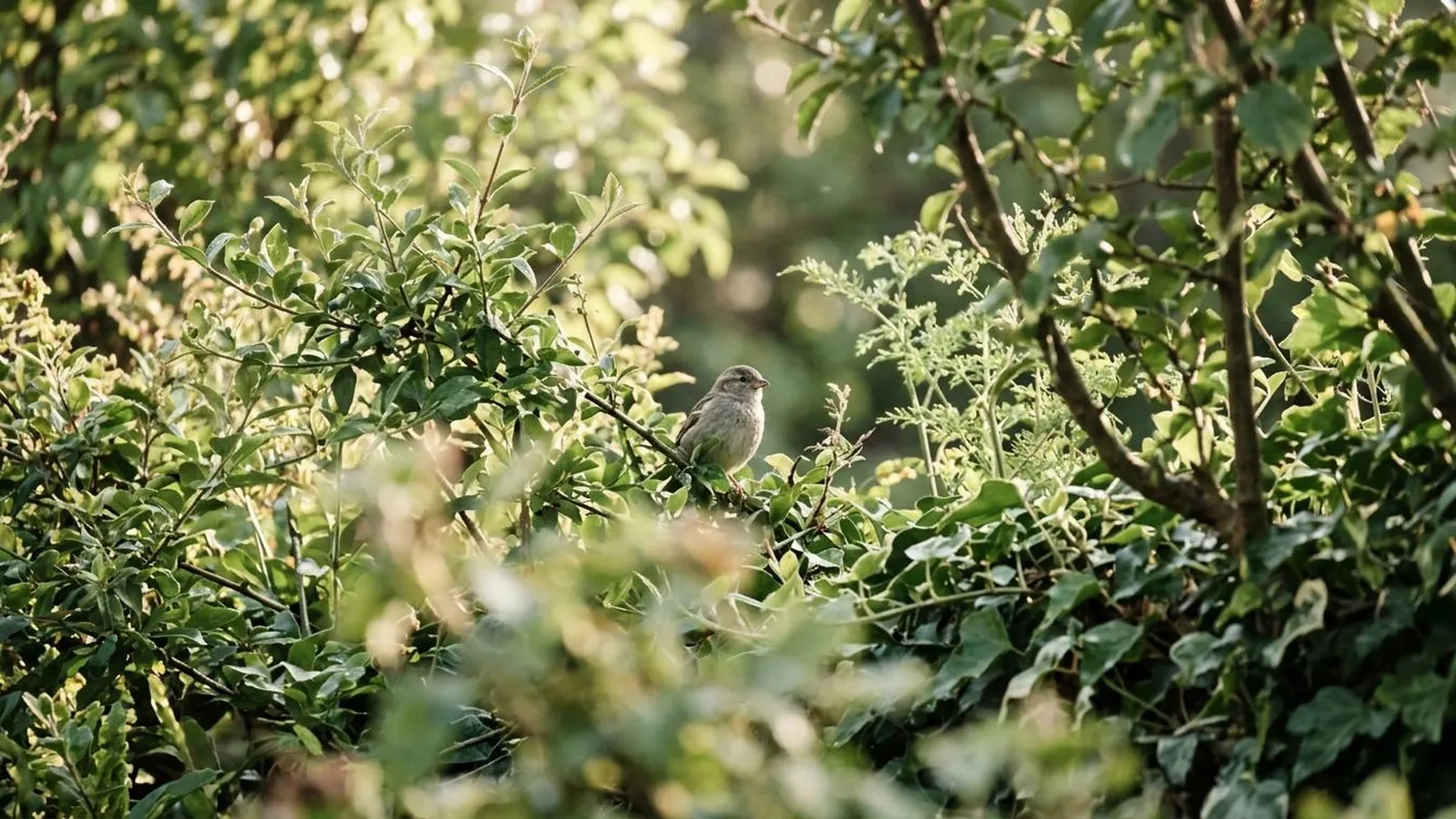
A bucket list can include something that makes an ordinary morning richer.
Choose two birds whose sounds you would like to recognise near home. You do not need to travel to a celebrated birding site or build a long species list. The ambition is to hear a familiar place with a little more understanding.
Two is a suggested starting point, not a test. One sound that becomes recognisable is progress; a week of uncertainty can still be an interesting week.
Begin with the sound, not the app’s answer
At a place where you are allowed to sit or walk, pause and listen before trying to identify anything. Notice the pattern. Is it a repeated phrase, a short call or several notes that seem to answer one another?
Write a description that makes sense to you. It can be imperfect. The note records what you heard, rather than what you later hoped you had heard.
If you use Merlin Sound ID, Cornell’s guidance describes its outputs as suggestions. It advises comparing the sound and species details, with seeing the singing bird a useful aid to learning. The app does not turn a possibility into a confirmed observation for you. Sound ID guidance.
Return without demanding the same performance
Try the same place again when it suits the day and the birds are active. You may hear something different, or very little. A listening project does not entitle you to a predictable encounter.
Compare your notes. Which feature of a sound seems familiar now? If you can see a bird making it from an appropriate distance, use that observation to strengthen or question the identification.
Coverage and performance of identification tools vary by location and species. Check the tool’s supported area rather than assuming it can name every bird around you. Merlin Sound ID.

Learn without attracting or disturbing
For this project, keep example recordings to private study and avoid playing them outdoors to summon a bird. The American Birding Association’s ethics code calls for restraint with recordings and other methods of attracting birds, and particular care around nests and sensitive species. Birding ethics.
Stay on permitted routes and give birds space. Do not approach a nest, enter private land or move into danger to settle an identification. An uncertain note is a better outcome than a disturbed bird.
Record only where appropriate, avoiding private conversations. There is no requirement to upload a recording, publish your location or submit a sighting to take part in this personal project.
Your first step
Choose one familiar spot and a short period you can spare. Listen first. Keep a note of one sound you want to understand.
If you eventually recognise it without help, enjoy that small change in the place. Then decide whether a second bird still interests you. The project can stay modest and still be worth having on your list.
Sources
Merlin supported-region information
American Birding Association ethics code
Primary sources checked November 14, 2026. Recheck mutable visitor information before publication and booking.