Make a Nile cruise a journey between places you want to understand
Choose a Nile journey around its route, time afloat and temple visits, using a published Luxor–Aswan programme as a starting point.

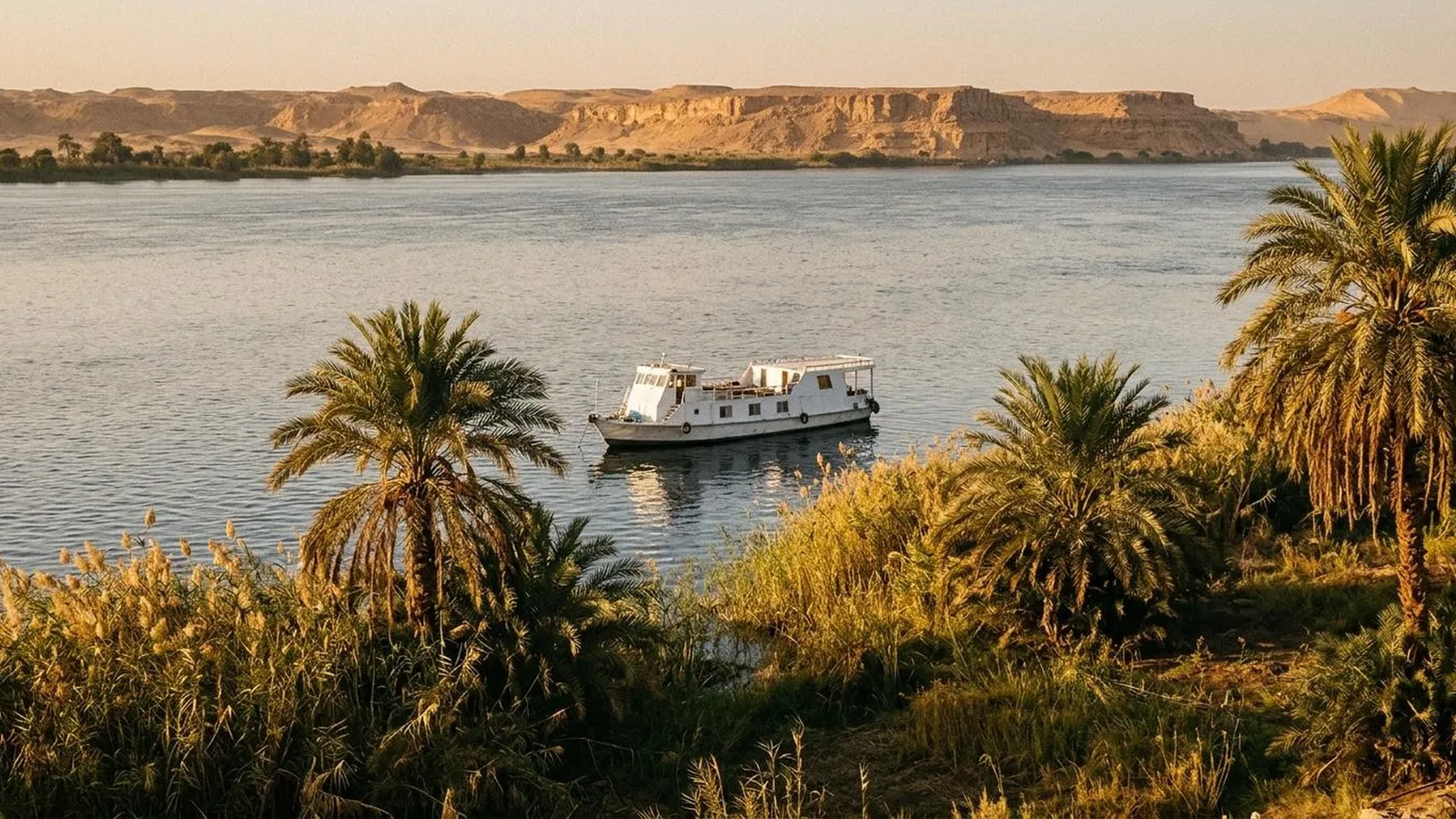
The attraction of a Nile cruise is partly the time between the famous places: staying aboard while a river becomes the link between one day’s encounter and the next. A temple visit can make you look differently at the landscape afterward; an afternoon afloat can give the morning time to settle.
Choose a journey that leaves room for both. A longer list of included sights does not automatically create a richer experience if the part you most wanted was unhurried time on the river.
First choose what you mean by a Nile cruise
A short sail near a city and a several-night Upper Nile journey are different commitments. Egypt’s official tourism site describes felucca outings as well as longer cruising, including smaller dahabiya-style choices. Start by deciding whether the boat is the day’s activity or your base for moving between places. Cruising in Egypt.
For this guide, the main idea is a cruise in the Luxor–Aswan area. Do not assume that booking those names means travelling from Cairo by river, or that every journey follows exactly the same stretch in the same way.
Read the itinerary as time, not a list of temples
The Oberoi Zahra offers a useful published example, with itineraries in both directions and different lengths. Its schedules distinguish visits, sailing periods and overnight locations; it also publishes low-water alternatives. This is evidence of the choices to compare, not a recommendation that one ship is the best. Operator itineraries.
Take one ordinary day and follow it from breakfast to bedtime. When are you ashore? When is the vessel moving? Are you overnighting in a place you will actually explore, or simply mooring there before an early start?
Someone who imagines most afternoons watching the banks drift by may prefer a different programme from someone whose priority is seeing as many archaeological sites as possible.
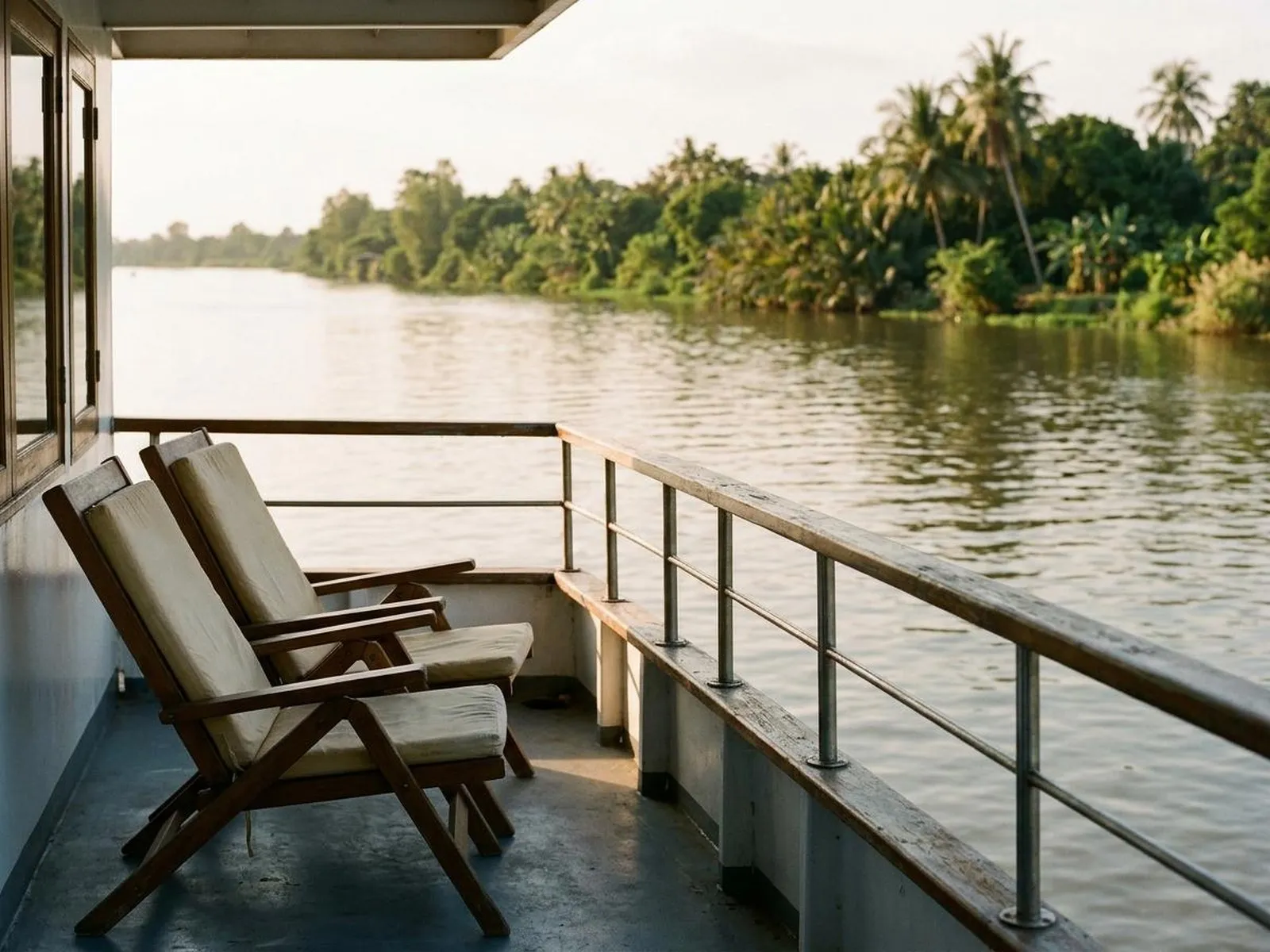
Give one visit a little depth
Choose a place you would particularly like to understand—Karnak, for example—and use that as a test of the programme. Look at how it fits with other visits that day and whether you want extra independent time before or after the cruise.
You need not arrive as an expert. A modest question can carry the experience: what kind of space was this, who used it, and which part of the evidence survives? Our Karnak guide offers one way into that kind of encounter.
After the visit, leave a quiet interval aboard if you can. A page of notes or a conversation about one detail can be more useful than immediately researching the next stop.
Compare the complete product
Check which visits, guide services, transport and admission are included in the actual booking. Ask how optional excursions change the day and the cost, especially when a distant attraction is presented as a small addition.
For a smaller sailing vessel, ask about cabin arrangements, shared spaces, propulsion and time under sail. For a larger river cruiser, ask about the cabin, public areas and the balance of group visits and independent time. The label alone does not answer those questions.
Look beyond photographs when considering access. Boarding, steps aboard and movement around archaeological sites are different parts of the trip. Ask about your specific needs across all of them.
Build the rest of Egypt around the cruise
Allow sufficient time for reaching the embarkation point and enjoying the places at either end. A flight arrival, transfer and immediate excursion can make an apparently generous first day feel quite short.
Keep the exact itinerary and its change conditions with your booking. Water levels and operating arrangements can affect a river journey; a sample programme is not a guarantee that every stop and hour will be delivered unchanged.
Choose this experience because you want its rhythm as well as its destinations. Then let the river be some of the trip, rather than merely the space between attractions.