Would you enjoy the ordinary days of a world cruise?
Compare the appeal of a full world voyage with a shorter sector, using the days aboard and the complete commitment rather than the port count.

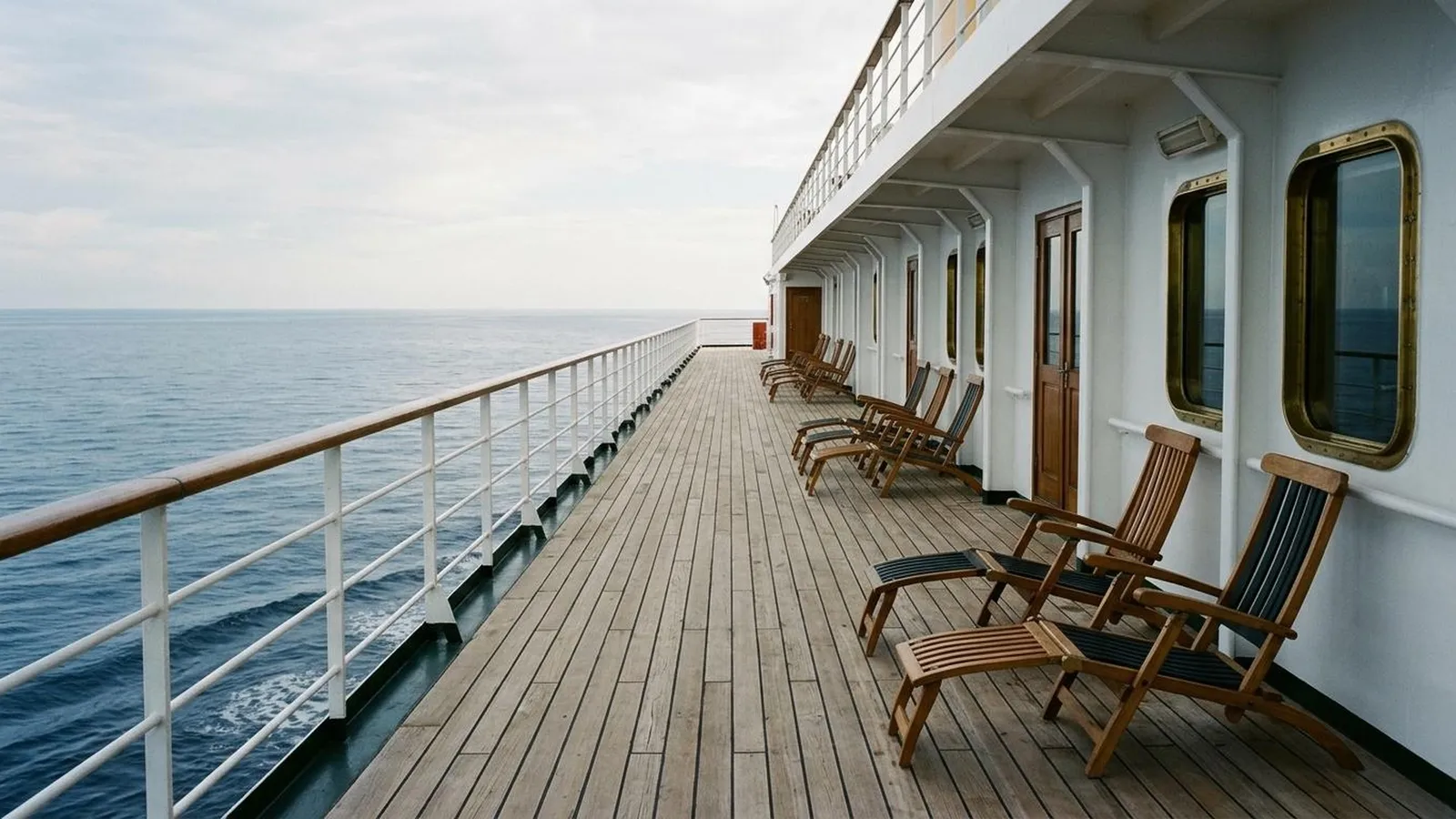
A world cruise can sound like freedom from choosing: unpack once, let the next place arrive and finally make room for a journey that never fitted inside an ordinary holiday.
It also means choosing a way of living for a substantial stretch of time. The question is not only whether the destination list excites you. It is whether you would enjoy the mornings, meals, sea days and repeated small routines connecting those places.
Start there before turning the idea into a booking project.
Picture the day without a famous port
Imagine a day when you have no excursion to prepare for. Where would you spend the morning? How much company would you want? Would you enjoy returning to familiar spaces, or begin to miss having more control over where the next day happens?
Talk about this with anyone travelling alongside you. Two people may share a desire to see the world while imagining very different lives aboard. One wants organized activity; another hopes to read quietly. A small cabin can make those differences more noticeable.
Try describing a good day without naming a destination. If the answer appeals, the shipboard part of the ambition has some substance.
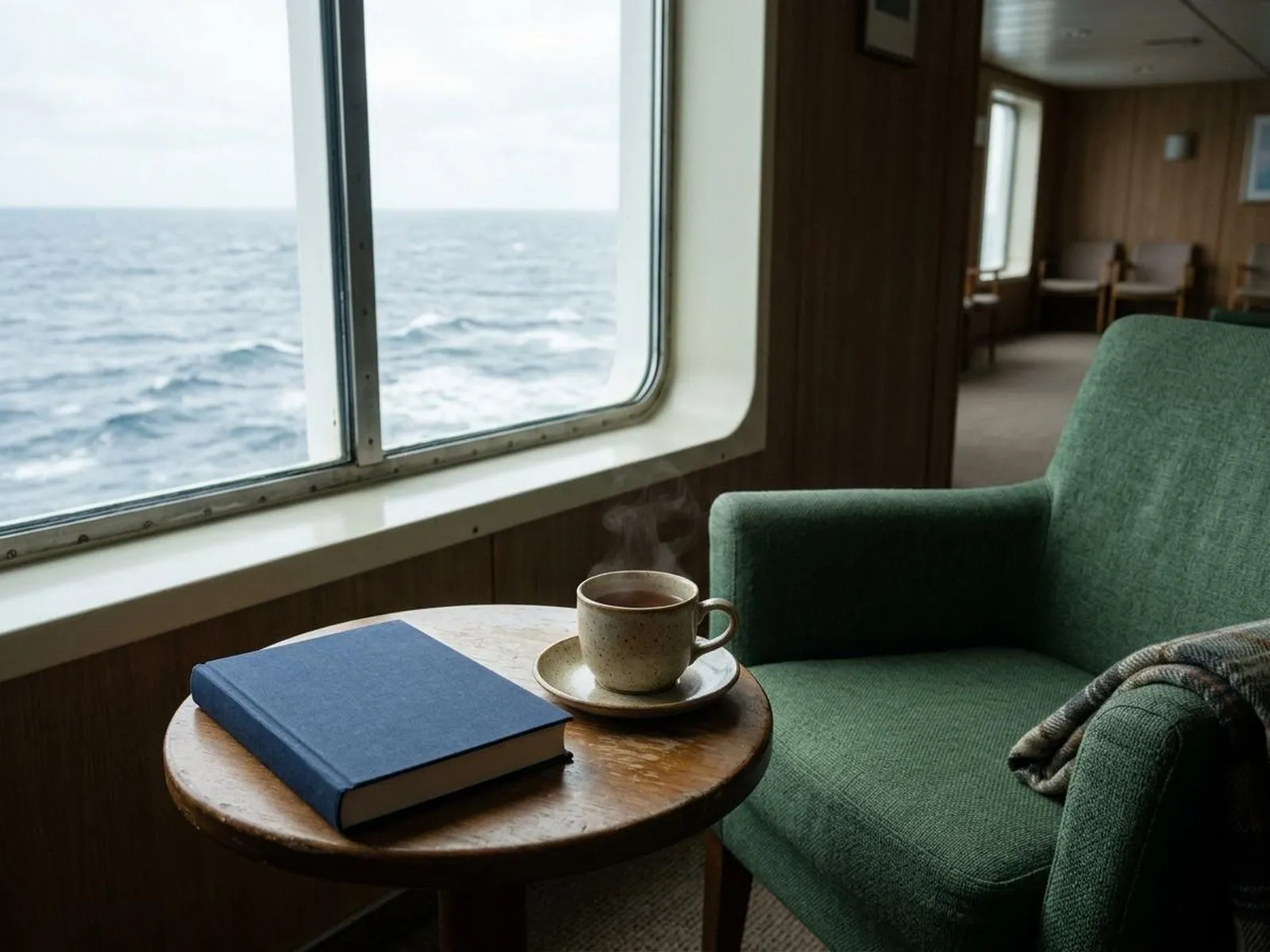
Use a real voyage to understand the scale
Cunard distinguishes Full World Voyages from shorter world-voyage sectors. Its current V703C listing gives a concrete example: 109 nights aboard Queen Victoria, Southampton to Southampton, January 10–April 30, 2027. That establishes the advertised scale, not an available cabin or a promise the route will remain unchanged. Read the named itinerary.
Compare the current full-voyage and sector listings for the ship you would actually choose. A shorter sector can be a complete experience rather than a failed version of the larger ambition. It may preserve the sea days or region that interested you while leaving time for other kinds of travel. Explore the operator’s voyage distinctions.
Read the itinerary by the shape of its days. A port name does not tell you whether there is time for the experience you imagined, and a sea day is not empty if being aboard is part of what you wanted.
Price the life around the fare
Build one total that includes getting to and from the ship, spending ashore, chosen extras and the costs that continue at home. Ask what belongs to the actual fare rather than transferring a full-voyage benefit to a sector or another departure.
Separately establish documents, insurance and arrangements relevant to your own circumstances. This guide does not provide a visa checklist, a coverage decision or an assessment of whether a long voyage meets your healthcare needs.
Write down what would need looking after while you are away. A home, commitments or simply being available to people may matter as much as packing. These are decisions to resolve, not reasons everyone must choose a shorter trip.
You could finish this exercise with a full world voyage on the list, a specific sector to research or the realization that you prefer several independent journeys. All are useful outcomes. The achievement is making room for the life you want to experience, rather than buying the largest version of the idea.
Sources
Cunard full world voyages and shorter sectors
Current Queen Victoria V703C itinerary
Cunard Queen Victoria 2027 voyage story, dated December 2024