Stay on Fair Isle long enough to notice the birds
Consider a bird-observatory stay built around watching, learning and island time, with weather flexibility in the travel plan.

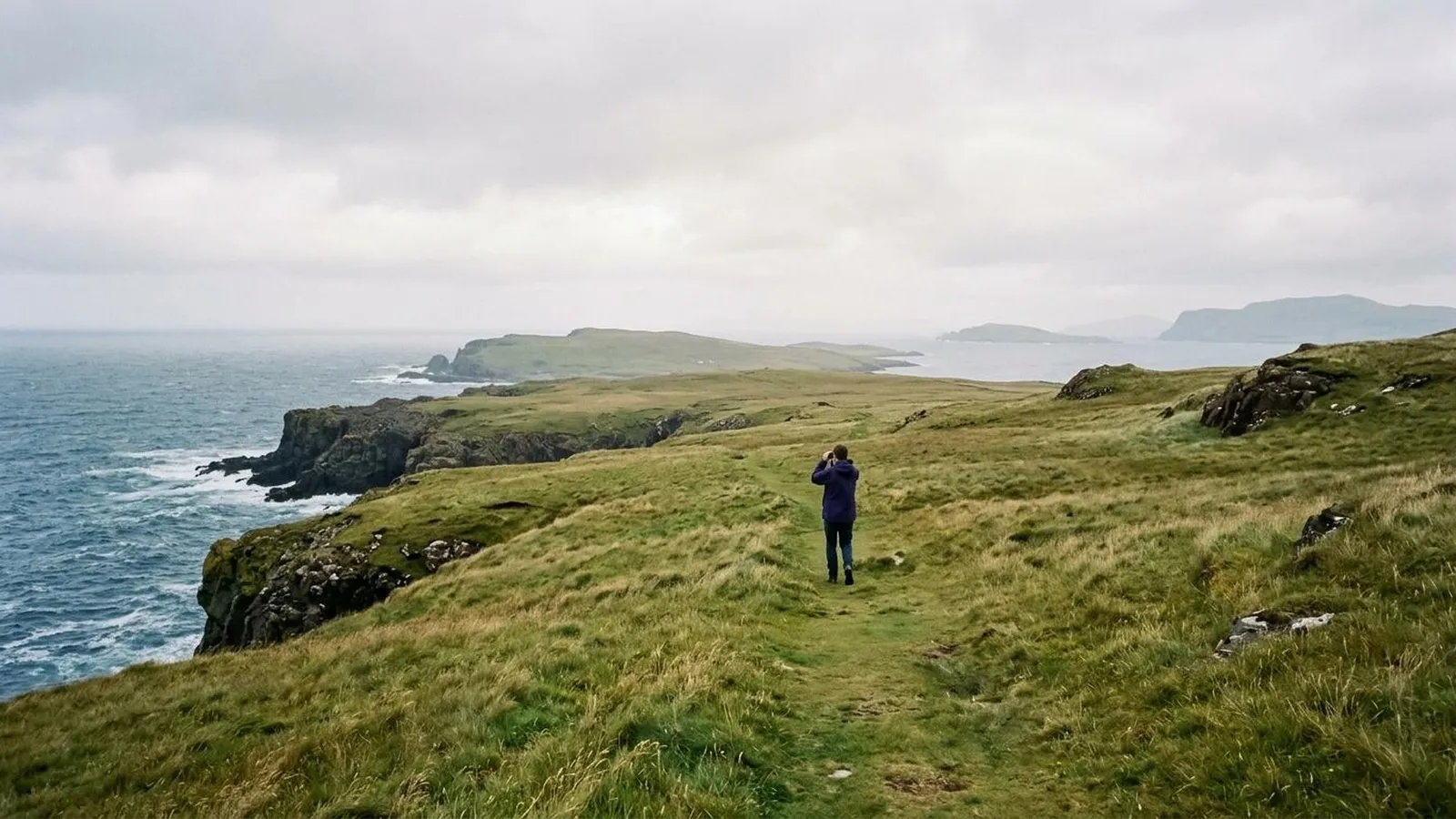
On a birdwatching trip, a longer stay changes what you can notice. A place that felt empty on the first walk may become somewhere you recognise a sound, distinguish a movement or understand why another observer has stopped.
Fair Isle Bird Observatory offers a way to make that learning part of island life, rather than fitting a brief wildlife stop between two departures.
Choose a stay with a shared interest
The observatory describes full-board accommodation, shared mealtimes, a library, access to birding knowledge and ranger activities. Guests and staff eat together, so there can be opportunities to talk about what people noticed that day. Confirm the activities offered during your stay rather than assuming a particular demonstration runs every day. Accommodation and meals.
You do not need a list of rare birds you must see. You could arrive wanting to learn how to observe a familiar-looking bird more carefully, or why migration makes this island interesting.
Someone who enjoys quiet independent walks may want a different balance from someone hoping to join every group activity. Discuss that when choosing the stay.
Let the travel plan admit the weather
The observatory’s travel guidance explicitly warns that visibility and wind can disrupt arrivals and departures, including at short notice. It describes reaching Fair Isle from Shetland by air or sea. The actual service and connections need checking for your dates. Getting to Fair Isle.
Keep space around the island visit rather than a tightly connected onward journey. Establish what happens to accommodation and transport if you arrive late or remain longer; check your own booking terms and insurance coverage directly.
That flexibility is part of choosing this experience. If a fixed return commitment leaves no room for disruption, consider another birdwatching outing for that trip.
Learn to watch one place well
Ask the staff or ranger where your interests and abilities fit current conditions. Follow the advice about permitted access, livestock, nesting areas and the island’s working life.
Then give a suitable spot some time. Notice behaviour before reaching for an identification: is the bird feeding, resting, moving with others or repeatedly returning somewhere?
A notebook can help you remember those observations without turning the visit into a test. Our field-journal guide is useful preparation at home, where you can practise looking before travelling somewhere remote.
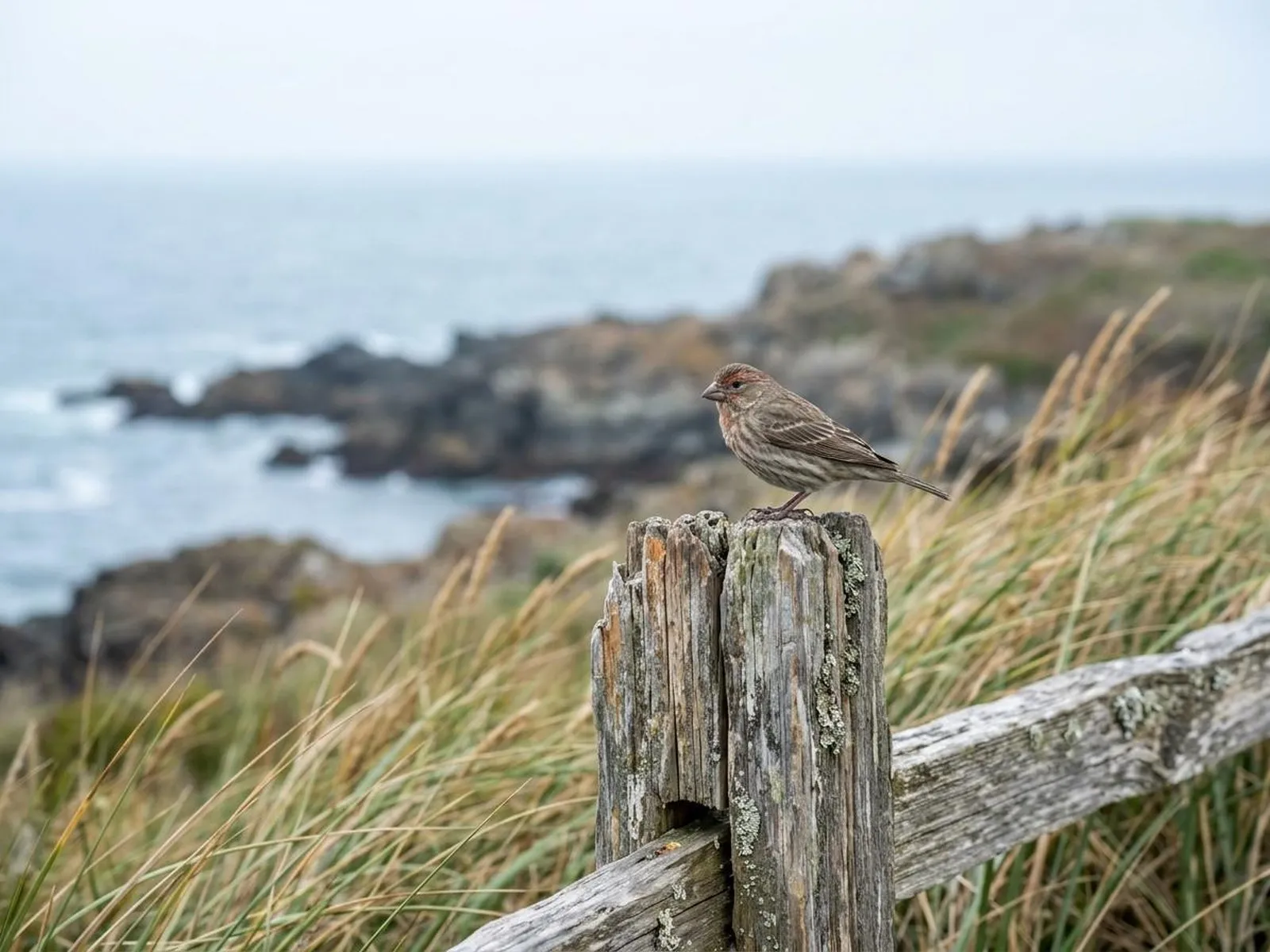
Make room for ordinary island time
Meals, a library visit or a conversation can become as memorable as an unexpected sighting. Full board may also make a longer stay feel different from a sequence of independent restaurant and travel decisions.
Resolve dietary, mobility and room requirements directly. The presence of accessible rooms does not establish access to every walk, transport service or part of the island.
Leave the expectation of a guaranteed wildlife encounter behind. The worthwhile ambition is to spend time in a place where watching and learning have room to become the day’s main activity. You may come home with a new bird name; you may also come home better able to notice the birds already around you.