Turn visiting every US national park into a project you enjoy
Define your national-parks goal, choose a rewarding first visit and keep a simple record without turning every journey into a counting exercise.

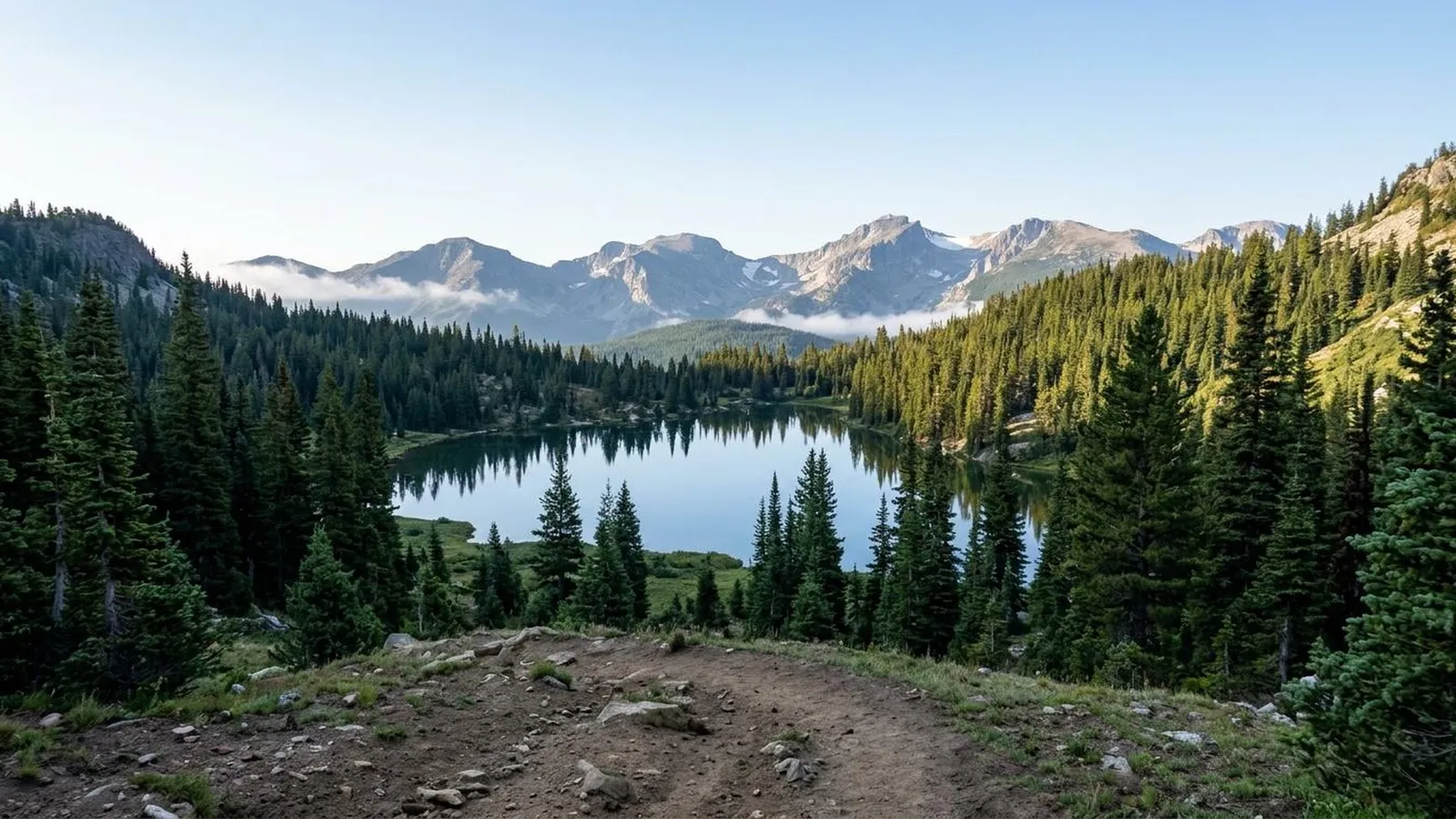
Visiting every US national park can give years of travel a satisfying thread. It can also become a list that asks you to hurry past the very places that made the idea appealing. Set up the project so that the first visit is worth making, even if you never complete the final one.
Begin with what you want from the parks: landscapes, wildlife, history, walking, quieter time or the pleasure of returning through different seasons. Let the count support those interests rather than replace them.
Decide which list you mean
The National Park Service manages many kinds of places: national parks, monuments, historical parks, seashores and other designations. The named national parks are a subset of the wider National Park System. Use the official designation list to define your goal, rather than mixing every NPS place into one changing number. NPS inventory.
Save the date and scope of the list you start with. If designations change, decide how you want to update the project. A new park is a reason to reconsider the plan, not a reason to erase the enjoyment of visits already made.
Include the geography honestly. The official list reaches beyond the contiguous states, so a complete ambition is more than a sequence of convenient mainland road trips.
Choose a first park with something you want to do
Pick an experience you can describe. It might be a particular walk, a ranger-led encounter, a landscape you want time to watch or a history question that a site can help answer.
Our Mesa Verde guide illustrates how one specific visit can give a larger park some focus. The national-park RV guide explores a different way to build time around a park. Neither is a compulsory first step; each shows how a meaningful activity can shape the journey.
Start somewhere practical enough that the project can begin, rather than postponing everything until a grand nationwide circuit is possible.
Define what counts as a visit for you
There is no need for this personal project to borrow an imagined official completion rule. You might count time inside the park spent doing an activity you chose, with a record of what you noticed. Someone else may prefer another definition.
Write yours down in a sentence. Then consider the difficult cases: a road closure, a shortened visit, an excursion cancelled on arrival. You can record what happened without forcing every trip into completed or failed.
Keep room for returning. Spending a second visit in a favourite place is not wasted progress because it does not increase the total.
Build regions around seasons and access
Choose a small group of parks that make sense for one journey, then check each separately. A short line between map pins does not establish convenient access, appropriate weather or enough time in the places between them.
For remote parks, treat transport and local arrangements as their own future planning tasks. You do not have to settle every one of them before beginning with a nearer visit.
Resist adding a park to a trip solely because it is just close enough to rush through. Ask whether you would still want that visit if nobody were keeping the score.
Keep money and admission specific
Use current NPS information for the parks and visitor categories involved, then check any passes and additional reservations relevant to your actual plans. Transport, accommodation, guided activities and other bookings need their own budget lines. An entrance fee is only one part of a trip. Official fee information.
You can keep a simple notebook or spreadsheet with the park, date, chosen activity, one observation and something you might do next time. There is no need for a new account or elaborate tracking system.
Let the list keep inviting you outside. The complete set can remain the ambition while each well-chosen visit is already a worthwhile result.