Build a first national park RV journey around places you can actually stay
Use Yellowstone as a planning example for a trip where the campground and vehicle fit matter as much as the scenery.

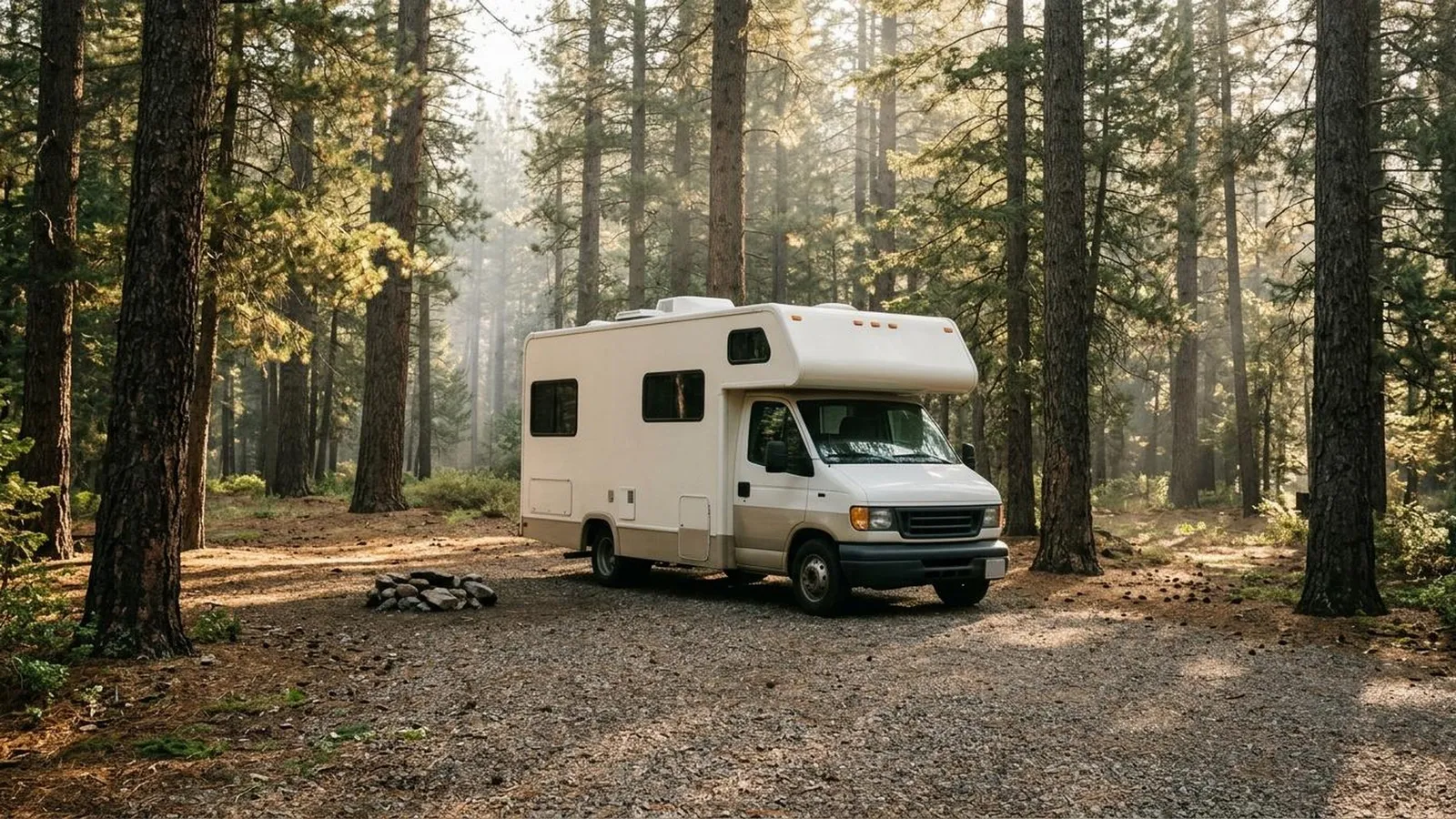
An RV trip can promise two freedoms at once: carrying a temporary home and waking near a place you want to explore. Neither requires driving through a new national park every day.
For a first journey, consider making one park the main experience. Yellowstone offers a concrete planning example, with official campground information detailed enough to show why the overnight arrangements belong near the beginning of the plan.
The goal is a holiday with time outside the vehicle, not a photograph of the vehicle in every possible landscape.
Start with a campsite rather than a sweeping route
Yellowstone’s National Park Service page says overnight vehicle parking is not permitted in pullouts, picnic grounds or other places outside designated campgrounds. That makes “we will find somewhere when we arrive” a poor foundation for this trip.
The page also announces a reservation-system change for the 2027 summer season. Follow its current booking links for your year rather than using an old article to choose the reservation provider.
Before renting, find a campground and site that can accommodate the vehicle you intend to use. Confirm its dimensions, opening dates and facilities directly.
Match the RV to the way you will live
A comfortable bed is one part of the decision. Also think about preparing food, storing clothes, using water and waste facilities, and moving around inside when someone else wants to rest.
Ask the rental provider about the vehicle’s actual dimensions, equipment, operation and restrictions. Make sure everyone who may drive is eligible and comfortable with the arrangement.
A larger vehicle can add interior comfort while creating different parking and route constraints. The right size is a practical choice, not a measure of how serious an adventure you are taking.
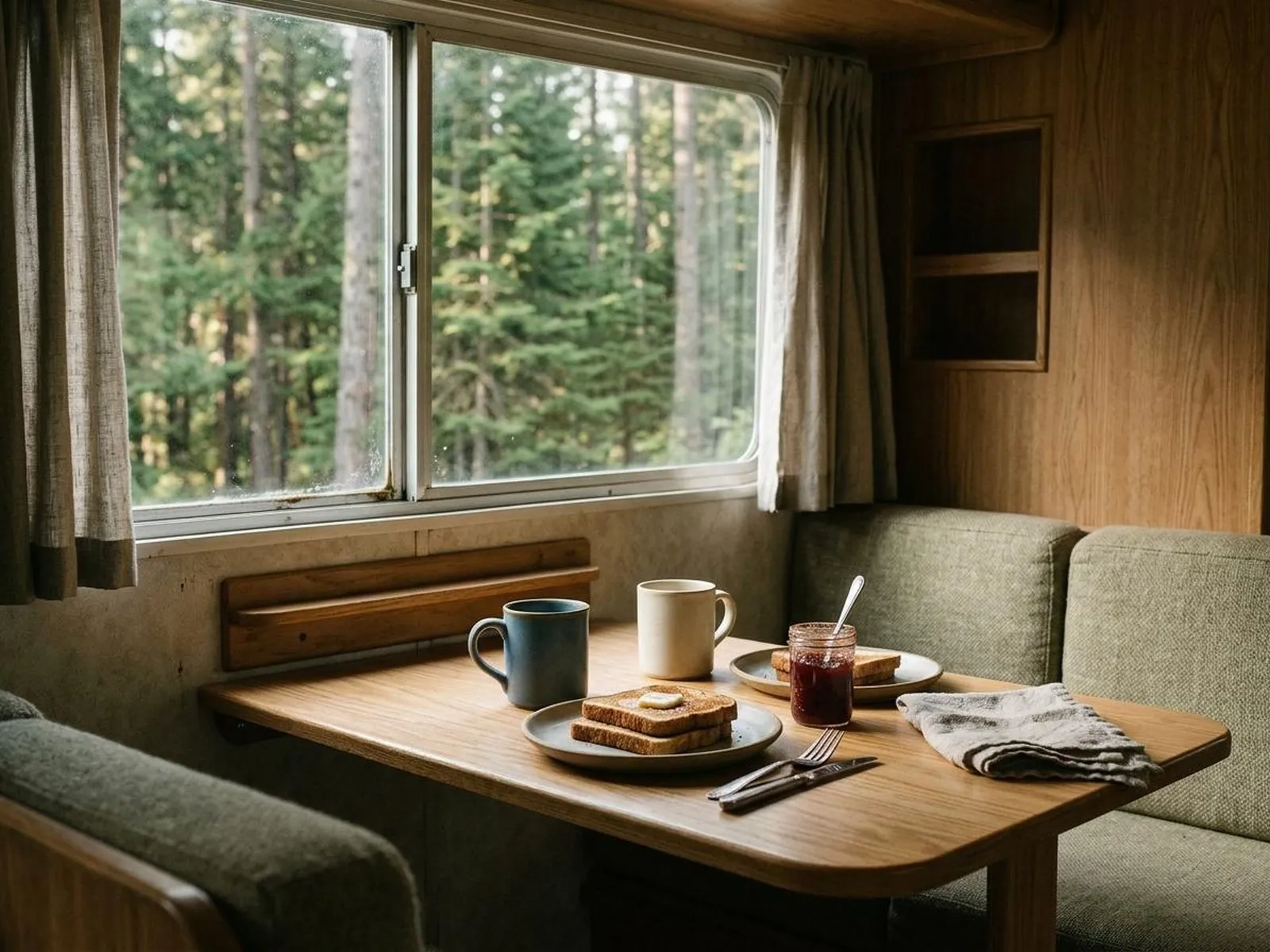
Choose facilities you understand
Yellowstone identifies Fishing Bridge RV Park as its campground with water, sewer and electrical hookups and states that it is for hard-sided vehicles. Other camping arrangements may work differently.
Treat those differences as something to plan for. Ask what your vehicle needs, what your chosen site provides and where permitted servicing occurs. Do not assume that every national park campground is an RV resort with the same facilities.
Have the rental provider explain the systems at collection, and allow time to learn them before setting off.
Give a base time to become useful
Imagine arriving, settling in and keeping the same campground for several nights while making manageable outings. That may better match the appeal of a travelling home than moving it to another campsite every morning.
Choose outings around current park conditions, permitted roads and your own pace. The size of the park map should not become a daily driving target.
Keep some flexibility for weather and for discovering that an activity takes more of your energy than expected. Confirm any separate reservations or restrictions for your dates.
Budget for the whole experiment
Compare rental, campground, fuel, equipment and servicing arrangements, plus travel to and from the collection point. Ask about mileage, deposits, insurance and return conditions before treating an advertised daily rental figure as the holiday cost.
A shorter first trip can answer a useful question: do you actually enjoy the routines that make RV travel possible?
If the answer is yes, you can plan a larger journey with better information. If not, you still spent time in a remarkable place and learned something worthwhile about your preferences.
The bucket-list experience is not owning the biggest vehicle or collecting the most park entrances. It is giving yourself a way to stay, explore and feel at home for a little while.