Meet the people behind the ship: a focused Mary Rose Museum visit in Portsmouth
A Portsmouth museum experience using everyday objects to understand life aboard while keeping ticket, luggage and photography conditions clear.

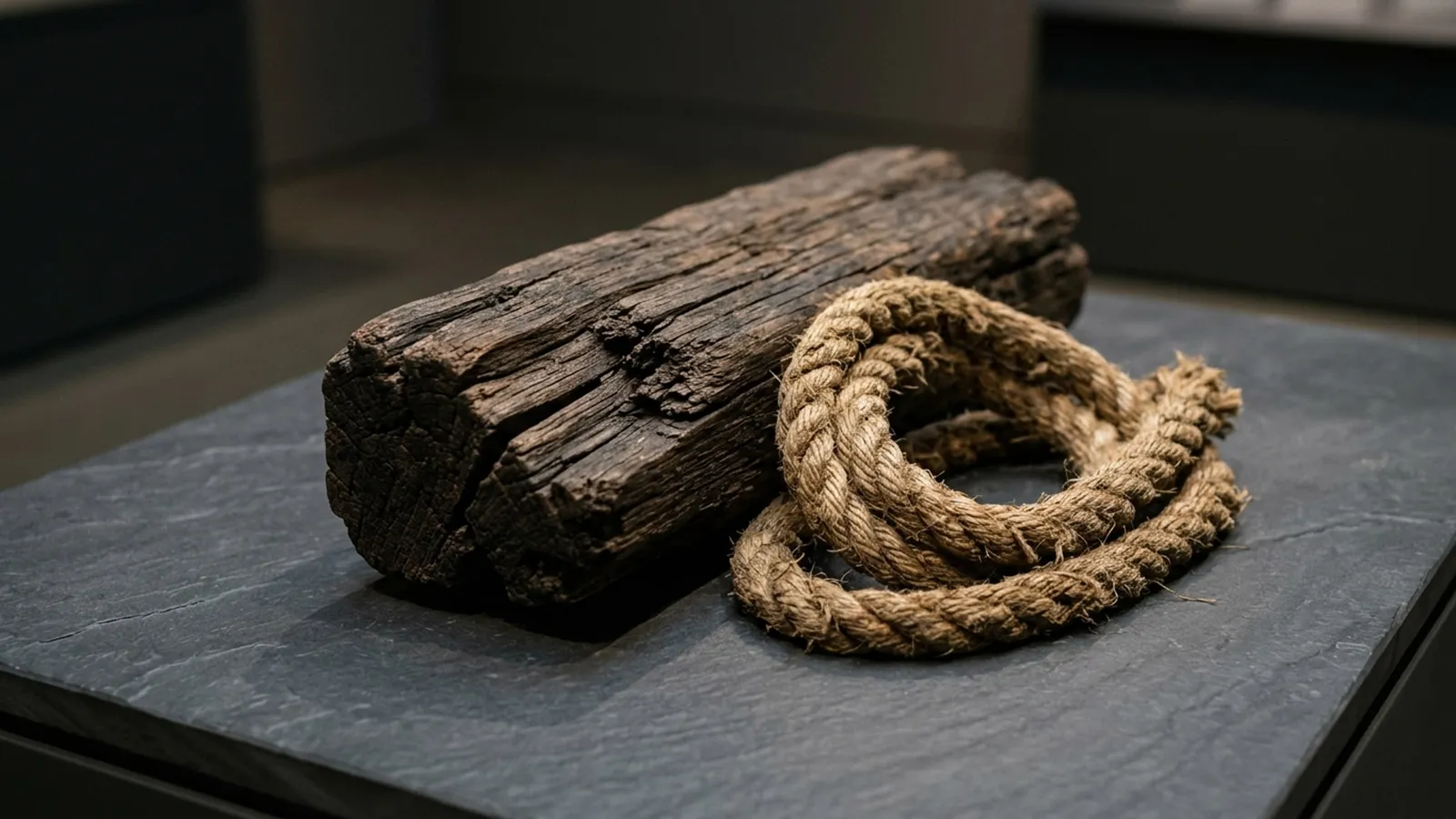
A historic ship can become a story about rulers, battles and a dramatic sinking. It can also raise a quieter question: what did the people on board do during an ordinary working day?
At Portsmouth’s Mary Rose Museum, let that second question guide part of the visit. Give attention to the surviving objects and the people they help describe, rather than treating the ship only as something large to photograph.
Choose the right dockyard ticket
The museum’s visit page directs ticket purchases through Portsmouth Historic Dockyard. Check the current product and which attractions it includes; a reference to the dockyard is not enough to establish admission to everything you hope to see.
Read validity, entry and return-visit conditions on the ticket you actually choose. This guide does not quote a package price or promise that every booking offers the same inclusions.
If the Mary Rose is your main reason for going, give it a clear place in the day before adding other ships and museums. A longer list of included attractions does not create more time or attention.
Start with a person-sized question
Choose a practical subject such as food, clothing, work or the equipment someone used. Follow the museum’s interpretation from an object to the activity it supported.
Ask what is directly known and what has been reconstructed or inferred. The distinction can make the visit more interesting without requiring you to settle every historical question yourself.
You do not need to memorize names and dates before arriving. A clear question helps you notice relationships that can disappear when every display receives only a few seconds.
Compare the ship with the things inside it
After spending time with the larger structure, return to a small object that caught your attention. How does understanding the space change what you think it was like to use that object?
Look for interpretation about conservation and how the evidence reaches the visitor. A recovered object is not simply a thing lifted from the water and placed unchanged in a case.
Use staff and volunteers as a source of explanation when available. “What should I look for here?” can be a better opening than asking for an entire history lesson while other visitors are waiting.
Plan bags and photography before arrival
The official visit page says bags are searched on entering the dockyard and that large luggage cannot be stored on site. If you are between trains, hotels or cruises, solve that problem before reaching the entrance.
The museum permits ordinary visitor photography but not flash. Commercial or professional photography needs written permission. Follow the current instructions rather than assuming a public ticket permits every use of a camera.
Check the dedicated accessibility guidance for your needs. The article does not establish that every display, effect or route will suit every visitor.
Give the experience enough space
An illustrative plan is to make this the main museum commitment of the morning, take a proper break and decide what energy remains for something else. It is not a universal duration recommendation.
If you have limited time, select fewer displays rather than trying to run through every attraction on a multi-site pass. The ticket’s potential value and the visit you can comfortably enjoy are different things.
Leave with one changed idea
Before departing, identify one ordinary activity you now picture differently. Perhaps the objects made a task seem more skilled, crowded or organized than you expected. Let the museum’s evidence, not an invented personal scene, support that impression.
A ship visit becomes richer when the people stop being background to the vessel. You can keep the scale and drama while also noticing the small things through which lives were lived.
Sources
Mary Rose Museum: plan your visit, including luggage and photography rules, read November 16, 2026. Ticket products, accessibility and opening arrangements should be checked for the intended date; no current package price or guaranteed attraction bundle is quoted.
Continue planning
Meet Vasa as a ship people built, not just a spectacular wreck. Stockholm’s Vasa offers another ship-focused experience in which attention to people changes what you notice.
Check luggage for the whole journey: plane, train and hotel. Plan luggage across the entire transfer day; a museum is not automatically a bag-storage stop.
Leave some days empty: choose a travel pace you want to repeat. Leave room around the main visit rather than filling every hour simply because a ticket includes more attractions.