
Compare two desert plants at the Arizona-Sonora Desert Museum
Pick a single visible feature and check how the garden describes its role in two plants.
Extraordinary places. Meaningful experiences.
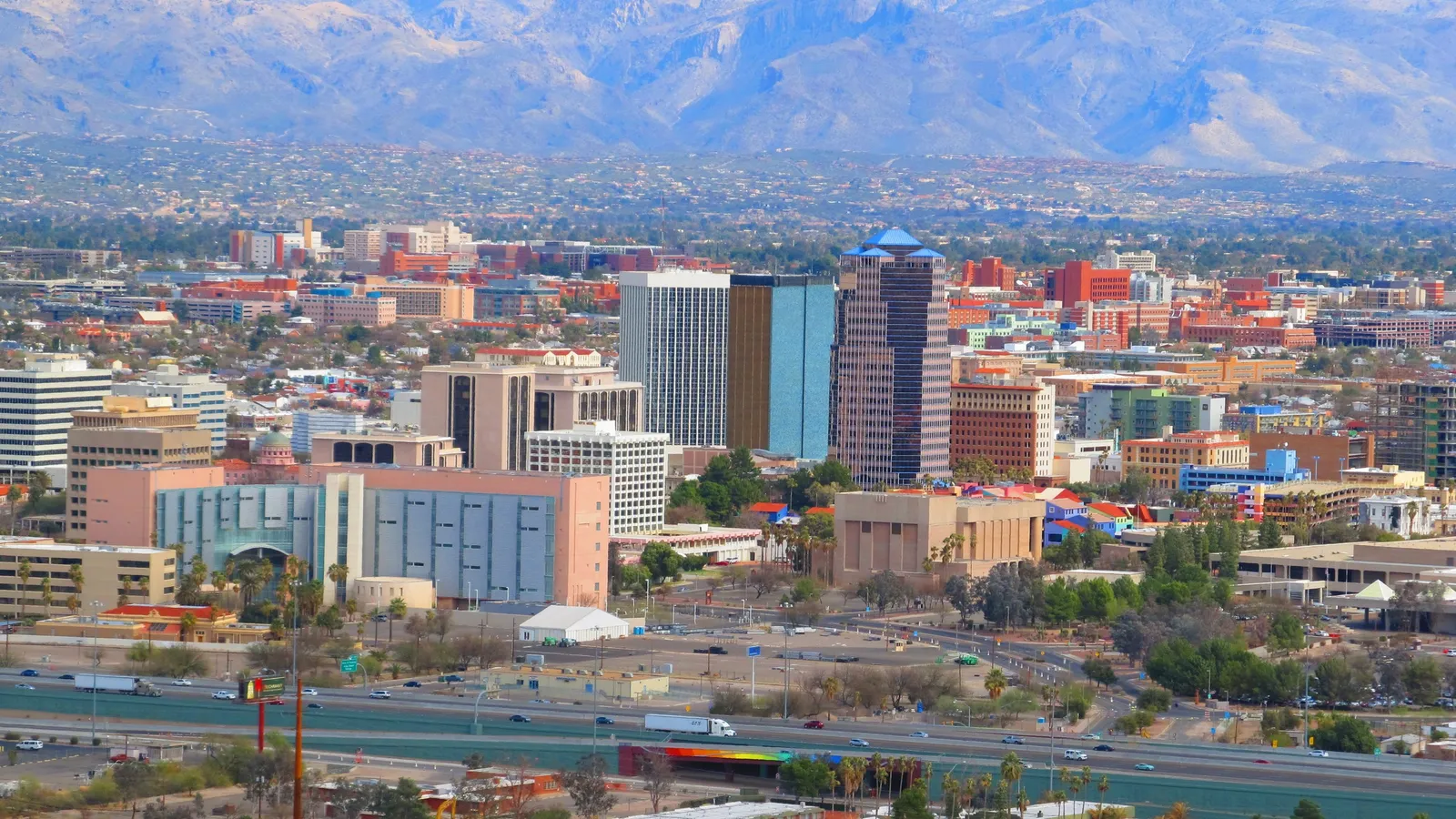
Choose a question about how people and plants use water or shade, then look for a place where you can ask it comfortably. Two city stops give you close views of cultivation or construction.
Mission Garden sits at the foot of Sentinel Peak, on the site of the village of Cuk Ṣon, which is sacred to the Tohono O’odham. It is a living agricultural museum of desert-adapted heritage fruit trees, heirloom crops and edible native plants, laid out in plots that represent different cultural traditions, and archaeologists have documented more than 4,000 years of cultivation here. Start with one bed and one visible choice, such as a basin or a shade edge, and ask how it works there. The information posted beside each plot keeps the garden’s account attached to your observation.
The Tucson Presidio Museum is a re-creation of the Spanish fort built in 1775. Use a wall edge or corner to compare exposed and sheltered surfaces, and let the museum’s interpretation tell you which part of what you see is reconstruction.
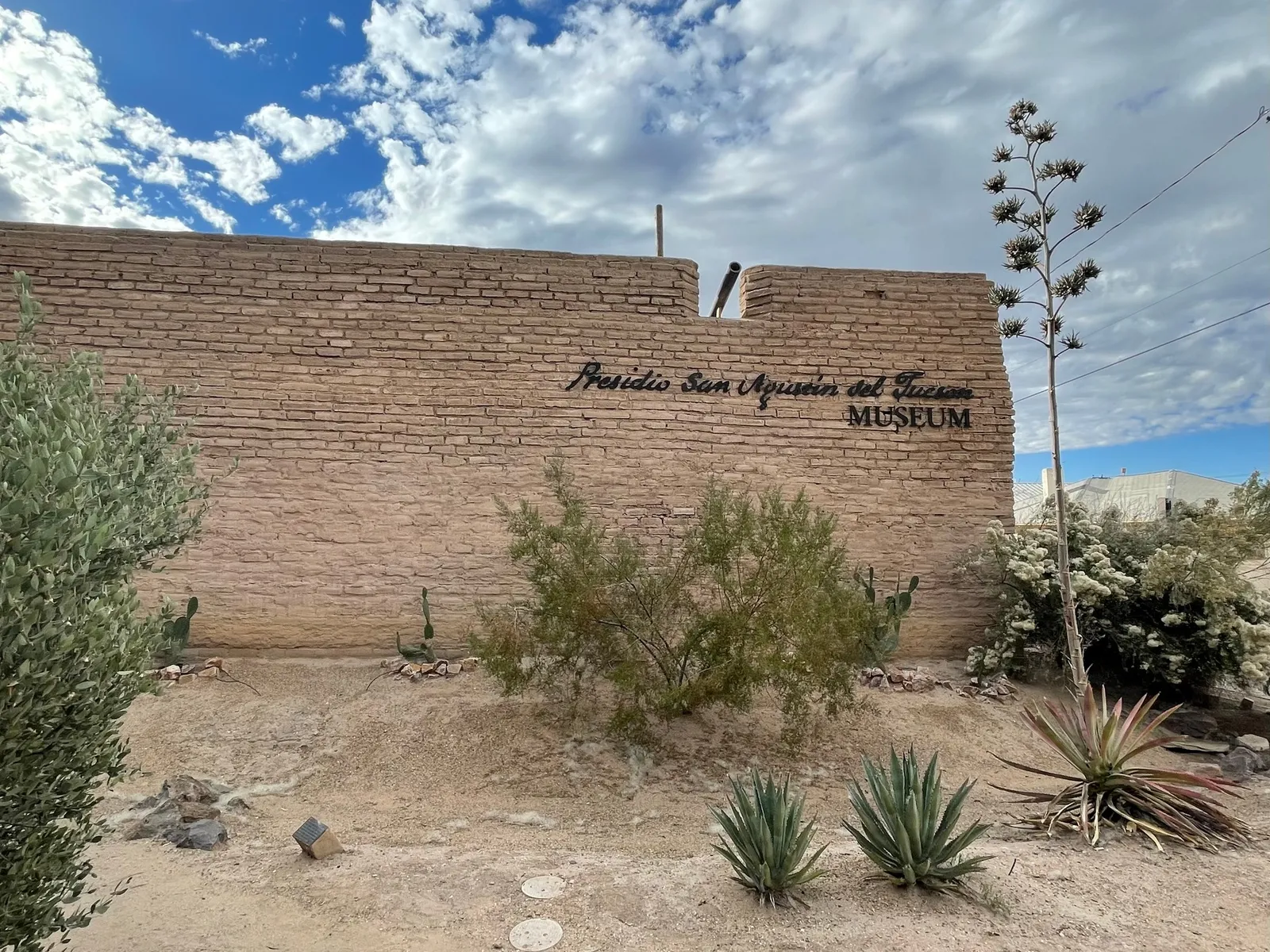
Check hours and outdoor conditions before setting out; both sites change their hours with the season, and Mission Garden keeps shorter morning hours in the hotter months. The Presidio museum’s online 360-degree virtual tour can keep your question alive when the weather narrows your options.
3 experiences.
Pick a single visible feature and check how the garden describes its role in two plants.
Look at one cultivated bed and ask how its arrangement affects shade, moisture or water delivery.
Use the Presidio Museum’s reconstruction to compare sheltered and weather-exposed adobe surfaces.
Short notes from readers who have been. They are readers' own words and experiences: we review each one before it appears, but we don't check the details, and we don't edit them.
No notes yet for Tucson.
Been? Sign in to add a note.

