Paint a tile in Porto and look differently at its walls
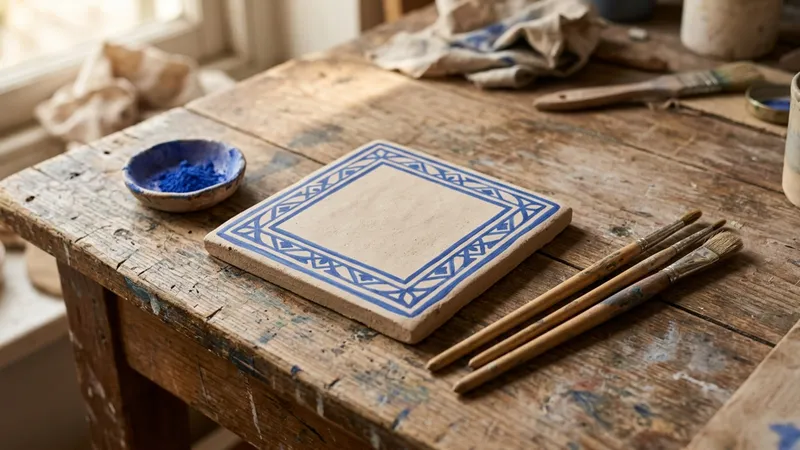
A tile-painting workshop in Porto adds a making experience to the city’s tiled streets, but kiln firing makes collection part of the trip plan.
Porto can begin with a close look at something easily passed through: the tiled concourse at São Bento, a street in the historic centre or a view toward the Douro. Give one detail time before expanding the day.
The city’s official Historic District guide connects places such as São Bento, Ribeira, the cathedral and Ponte Luís I, and includes the historic centres of both Porto and Gaia. Use it to choose a focus, rather than assuming every listed attraction belongs in one continuous outing.
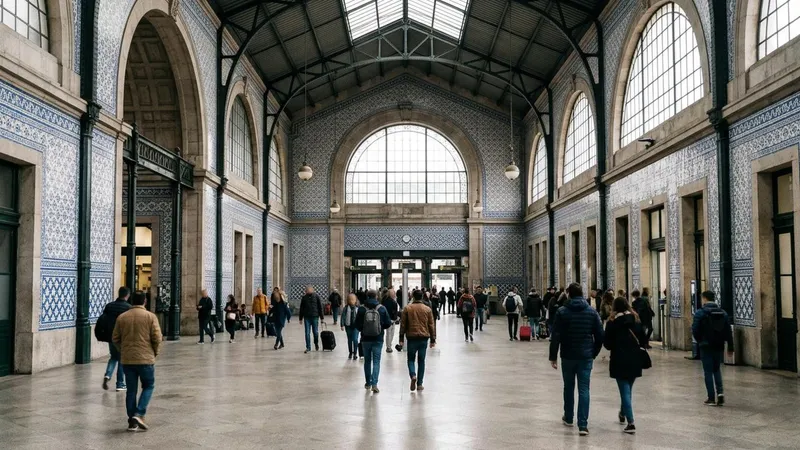
Our São Bento guide offers one specific way to begin: stop to read the tile stories instead of treating the station only as transport. Leave room afterwards to choose whether another interior, a meal or time near the river adds something to your visit.
Separate a station visit from any train journey, and public streets from a ticketed interior or tour. Check current visitor arrangements for the particular building you want to enter.
Choose a manageable route and a return plan before adding several stops. This overview introduces the historic-centre angle; it does not promise a step-free circuit, current bridge access, a cellar tour or a checked longer-stay budget.
3 experiences.
A tile-painting workshop in Porto adds a making experience to the city’s tiled streets, but kiln firing makes collection part of the trip plan.
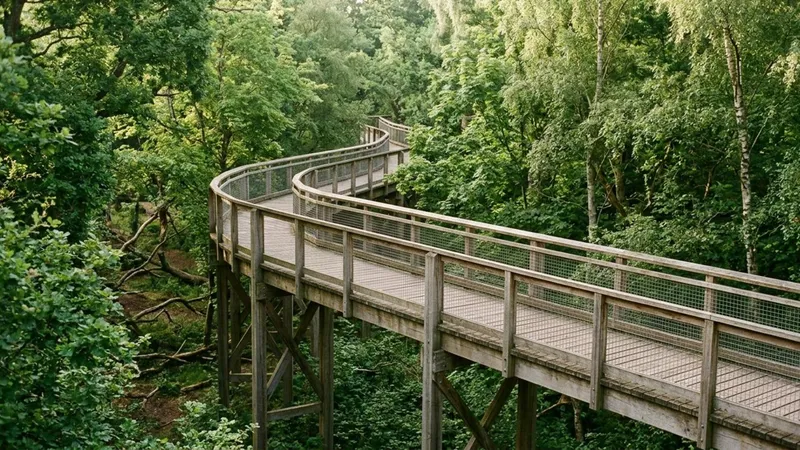
Use Serralves’ elevated Treetop Walk to notice the park from another level, then decide how much art, landscape and wandering suits your day.
Begin a Porto walk with one focused encounter: the painted tiles in a working railway station.
Short notes from readers who have been. They are readers' own words and experiences: we review each one before it appears, but we don't check the details, and we don't edit them.
No notes yet for Porto.
Been? Sign in to add a note.