
Follow one historic water route through Ghent
Use an old map to connect one bend or landing to a public point on Ghent’s waterfront today.
Extraordinary places. Meaningful experiences.
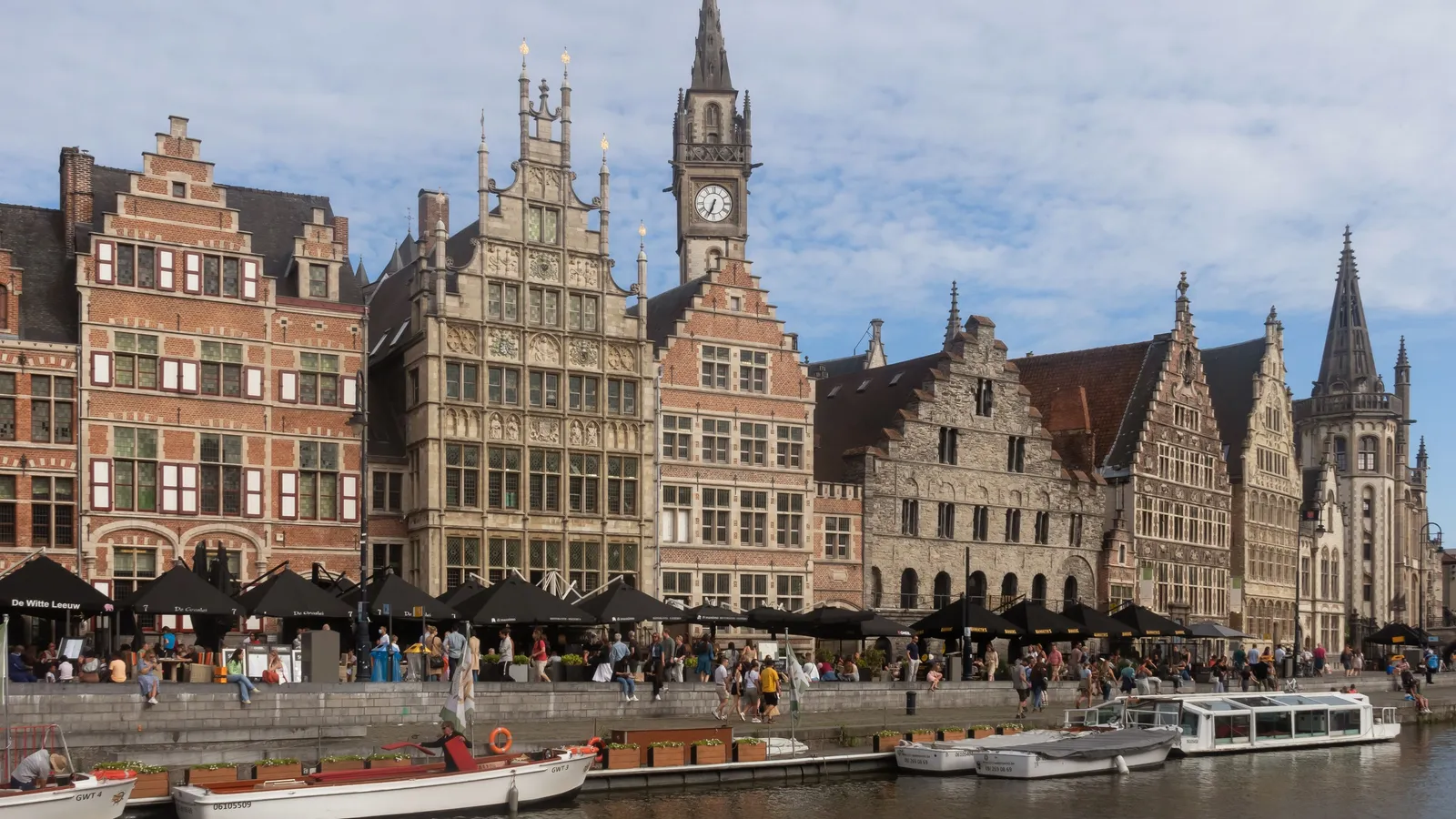
Start with a question you can carry into one place. How did threads become cloth? Where could a person move from the water to a street? How might household objects have fitted into a shared room? Ghent gives you an outing for each question, and each can be done on its own.
Follow tension through one loom at the Museum of Industry. The museum fills an old cotton mill near Vrijdagmarkt, and its textile department follows fabric from cotton to towel among working looms. Start at a loom and follow the direction of its threads. A still machine and a textile sample can work if nothing is running.
Follow one historic water route. Ghent Mapped, from Ghent University’s Centre for Digital Humanities, layers historical maps of the city from the Middle Ages to today. Mark one bend or crossing on an old map, then decide whether you can match it from a public bank.
Sketch one room plan at the House of Alijn. This museum of daily life arranges its rooms around moments in the year, from New Year’s Day to a wedding, with everyday objects you can sometimes touch, hear or smell. Use one display to think about a household task and sketch where it could happen.
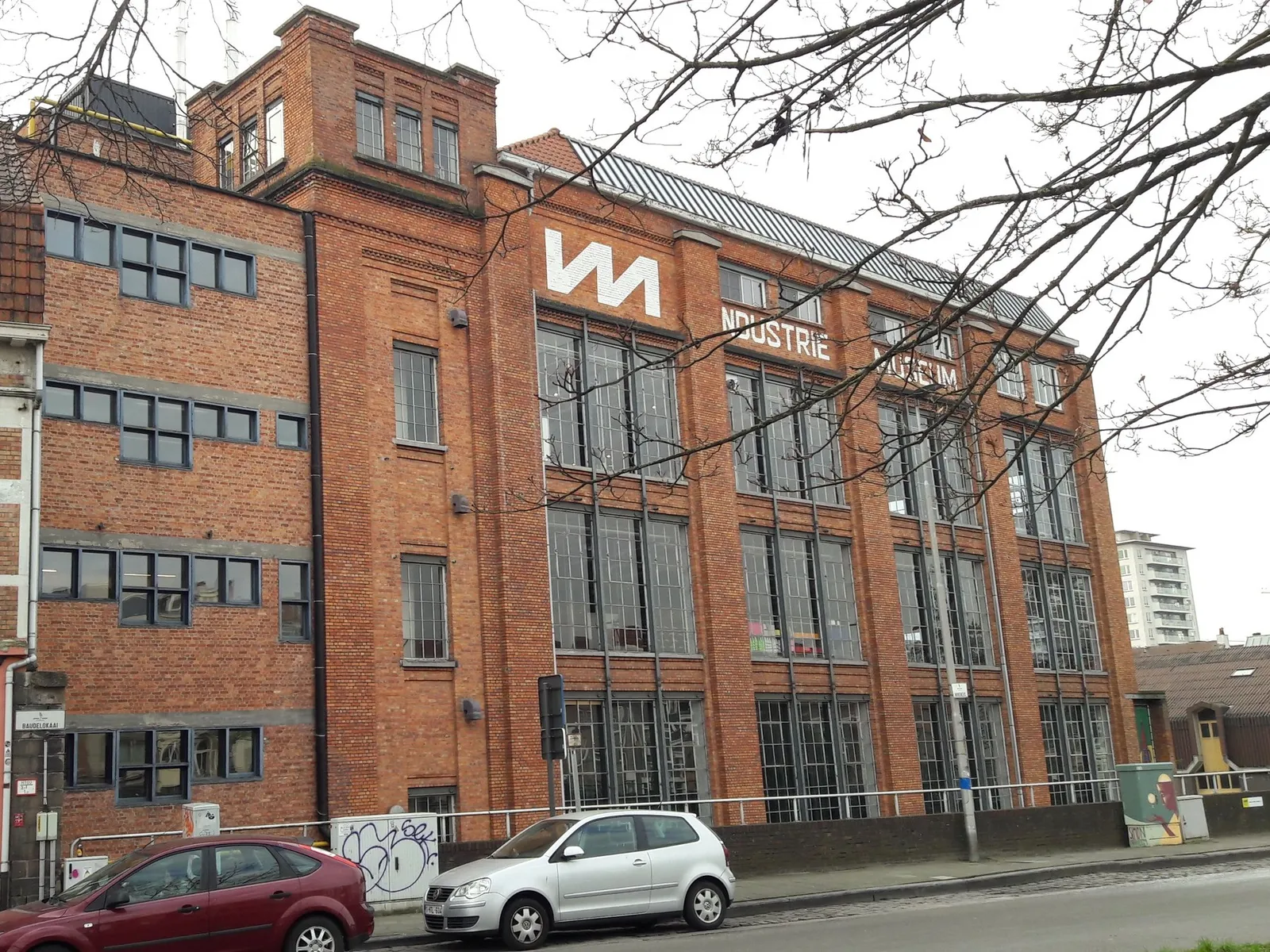
The map is a good choice if you’d like to decide your own pace. For the museum outings, check which displays are open on your day, and if you want to see a machine running, ask the museum whether anything is being demonstrated.
3 experiences.
Use an old map to connect one bend or landing to a public point on Ghent’s waterfront today.
Use a room display about daily life to picture where a household kept objects, worked or gathered.
Look for where a loom holds its threads apart and where they come together to become cloth.
Short notes from readers who have been. They are readers' own words and experiences: we review each one before it appears, but we don't check the details, and we don't edit them.
No notes yet for Ghent.
Been? Sign in to add a note.

