Go doon the water aboard Waverley
Make a Clyde sailing aboard Waverley an occasion, choosing the excursion, return and boarding arrangements carefully.

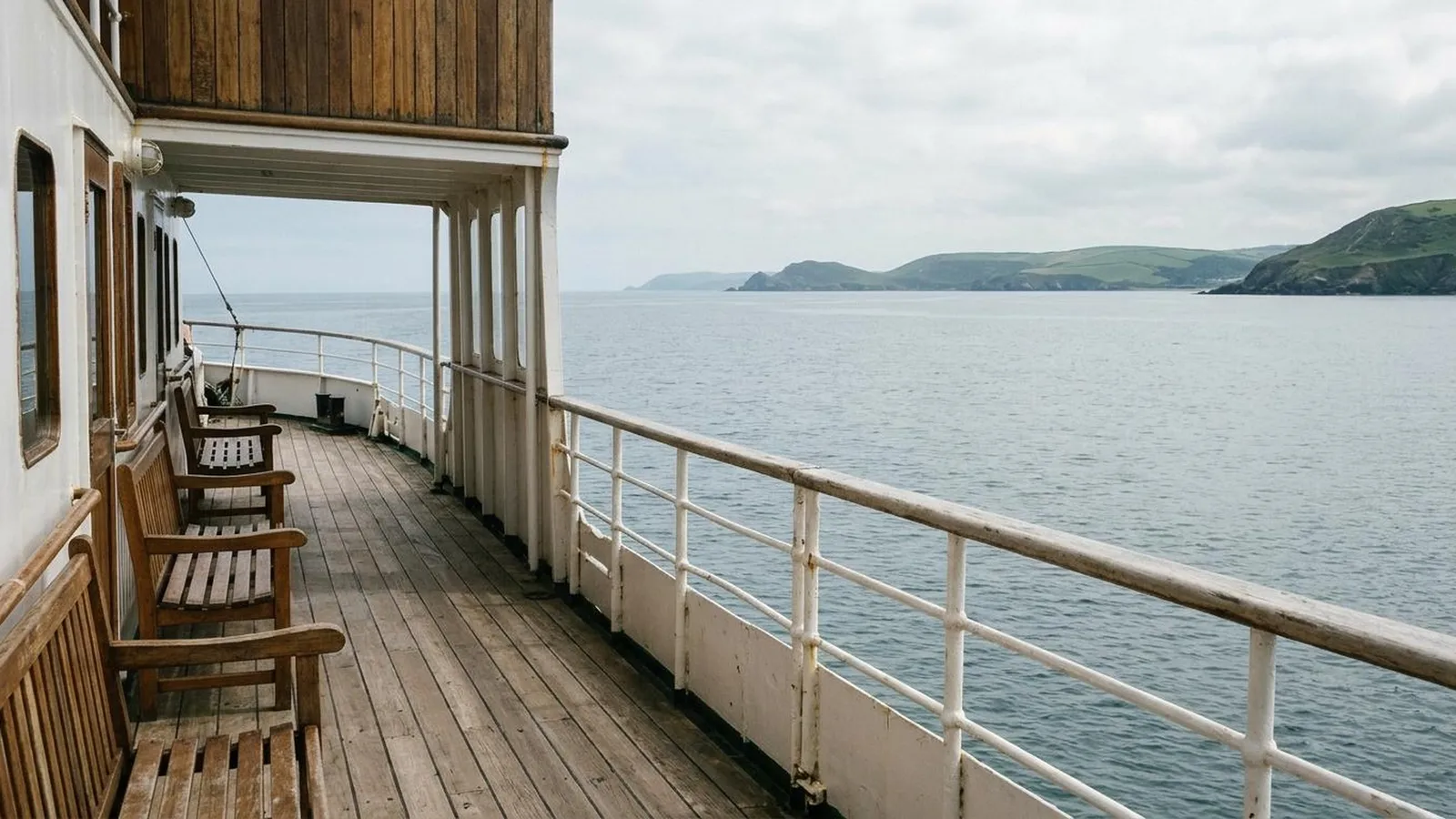
Make the journey the occasion: go doon the water aboard Waverley, let the shoreline change at the ship’s pace, and spend part of the day noticing the vessel carrying you. A paddle-steamer excursion can make a familiar coast feel like somewhere you have travelled to, rather than driven past.
Waverley’s operator describes her as the world’s last seagoing paddle steamer. That gives a Clyde outing a connection with a working historic ship, not simply a scenic viewpoint with transport attached.
Choose the sailing before choosing the rest of the day
Begin with the published timetable. Decide whether you want a shorter spell aboard, a longer coastal outing, or an excursion that includes time ashore. Those are different experiences, even when they use the same ship.
As checked in November 2026, Waverley’s website said the 2027 timetable was being prepared and ordinary sailing bookings would open when it was published. Do not read an old brochure as a promise that a particular pier, route or departure will recur. Operator’s current information.
The Clyde is the focus of this idea, but Waverley also operates in other areas during her season. If you specifically want the Scottish doon-the-water experience, make sure the trip you select is actually there.
Think in terms of the complete excursion
Write down where you board, whether you will go ashore, where the ticket ends and how you get home. A sailing with a different finishing point or a coach connection needs a different plan from a simple return to the same pier.
For a first outing, compare a shorter return trip with a long excursion. The extra hours may be exactly what you want; they may also turn a pleasing afternoon into more time afloat than your companion enjoys. Make that choice together before buying tickets.
If there is a landing, distinguish time ashore from time free to explore. Walking off the pier, finding a place to eat and returning in good time all use part of the interval. Follow the return instructions given for that sailing.
Spend some attention on the ship
Give yourself a little time without trying to produce the best photograph. Watch the relationship between the vessel, the water and the shore. Follow the onboard information, and use any publicly accessible view of the machinery to notice how movement becomes propulsion; crew directions determine where passengers may go.
You might choose one point on the coast to watch approach and recede, then change sides or find a sheltered place to sit. The pleasure does not depend on recognising every landmark. It can come from having enough time to look.
The operator advises warm clothing even in summer, sensible footwear and care on decks that may be wet or moving. Follow announcements rather than treating a familiar-looking coast as a reason to relax the ship’s rules. Passenger guidance.

Check access at the pier and aboard
Historic-ship access deserves a specific conversation. Waverley has steep stairs, and its ridged gangways cannot simply be crossed by pushing a wheelchair. The operator describes assisted-boarding limits and says electric wheelchairs and mobility scooters cannot be carried. Piers have their own restrictions.
Read the relevant regional guide and discuss the exact sailing and your needs with the booking office before paying. A facility aboard does not establish that you can reach it from every departure point. Accessibility information.
Leave a little flexibility around the water
Check the latest sailing update before travelling to the pier and follow the instructions attached to your booking. Keep an onward commitment loose enough that the excursion is not spent calculating whether you will make it.
This is a good bucket-list idea for someone who enjoys the act of travelling: the ship, a changing coast and a day that has a pace of its own. You can give that day room without pretending the next season’s timetable is already settled.
Sources
Waverley operator and timetable status