Choose a Norwegian coastal voyage or a fjord cruise for the days you want
The difference is in the itinerary and rhythm, not simply the photograph of a ship between mountains.

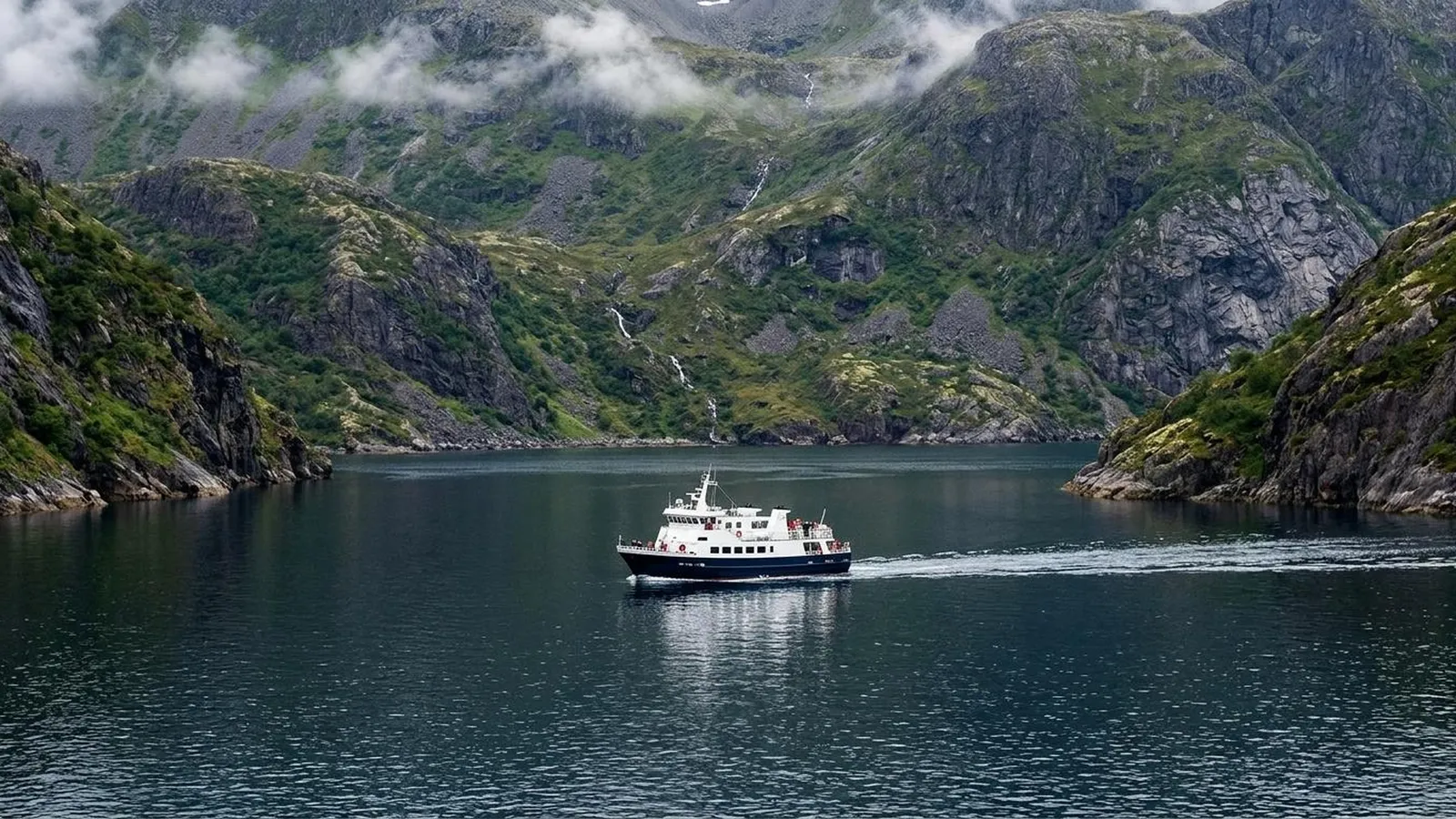
“Cruise Norway” can mean several quite different holidays. You might picture a long day ashore in a fjord town. Someone travelling with you may imagine staying aboard as coastal communities pass through the itinerary, some of them late at night.
Both can be appealing. The question is which version contains the experience you would actually enjoy.
Begin by reading the route as a description of your days, rather than as a list of place names.
Understand the coastal-service example
Hurtigruten describes its Coastal Express round trip between Bergen and Kirkenes as a twelve-day voyage. Its explanation emphasizes numerous coastal calls, including short stops and calls at night, and it also offers one-way and shorter options.
That is an important distinction from imagining that every port means several leisurely hours to explore. Some of the interest is in travelling along a working coast and watching the changing sequence of places.
Use the operator’s actual timetable for your selected voyage. Do not transfer a stop length, excursion or daytime view from another direction or season.
Compare with a specific fjord-focused itinerary
A fjord cruise is not one standardized product either. For a shorter, land-linked example, Fjord Tours’ Sognefjord in a Nutshell combines a fjord cruise with the Flåm and Bergen railways, with optional overnight stays. It is a self-guided transport tour, not accommodation aboard a cruise ship. Compare the actual product.
If you want an ocean cruise instead, select that actual sailing and compare its ports, time ashore, scenic sailing and days at sea.
If your main ambition is to spend a whole day exploring a particular town, check that the itinerary provides it. If the attraction is watching the landscape from the ship, find out where that occurs and what else fills the journey.
You are comparing two possible weeks of your life. A brochure photograph cannot answer the questions that matter most about them.
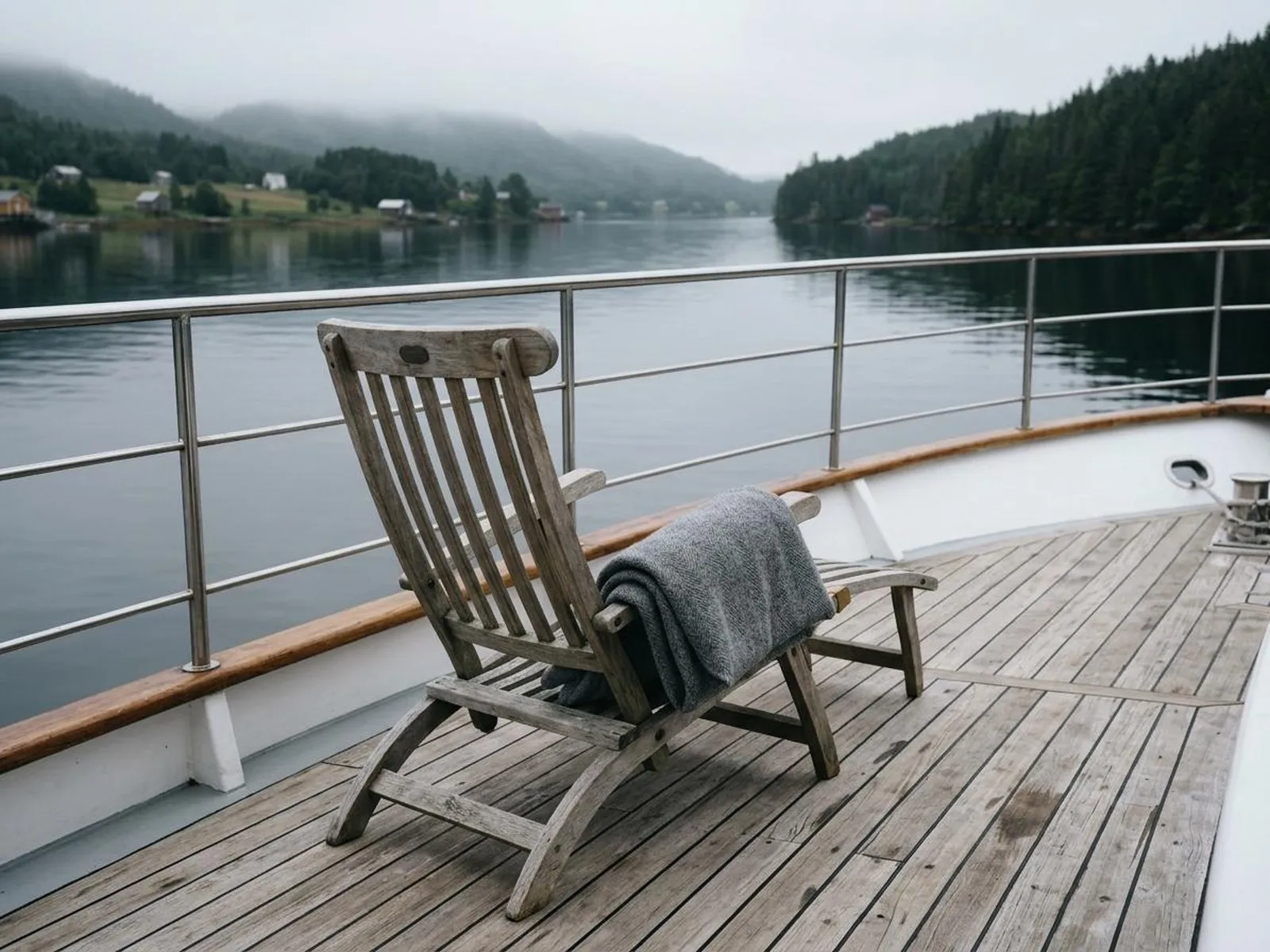
Use one desired day as the test
Imagine your ideal morning: breakfast, a few hours walking at a comfortable pace, time for lunch ashore and an unhurried return. Now put that beside a coastal call measured in minutes. It is clearly a different experience.
Alternatively, imagine enjoying the ship as the base and being content with some places seen mainly from aboard. The shorter calls may then feel like part of the rhythm rather than something missing.
Discuss this with your companion. Choosing a route because both people like “Norway” can conceal very different expectations.
Choose the season deliberately
Daylight, weather and what you hope to notice should be part of the conversation with the operator. Do not combine a summer landscape photograph, a winter aurora ambition and an excursion from a different itinerary into one assumed product.
If the northern lights are part of the attraction, treat them as uncertain. A ship cannot guarantee a clear sky or a display simply by reaching a northern latitude.
Check the conditions attached to any promotional promise separately. The wording may describe a repeat-voyage arrangement rather than a refund or a sighting guarantee.
Compare the whole booking
Ask about the exact cabin, meals, excursions, transfers and any items important to your needs. Get a complete quote for the selected departure.
If you plan to join or leave at different ports, establish how the surrounding travel works. Avoid relying on a generic route map to plan a tight independent connection.
You do not need to decide that one style is better in general. You need to know which style is better for this trip.
A useful bucket-list entry might be “follow Norway’s coast from Bergen northwards” or “spend time ashore in the fjord places that interest me.” Once you can name the experience, the right itinerary becomes easier to recognize.