Watch a silk loom at work in Lyon
A craft-focused Lyon experience built around a verified working-loom demonstration, not an invented adult workshop.

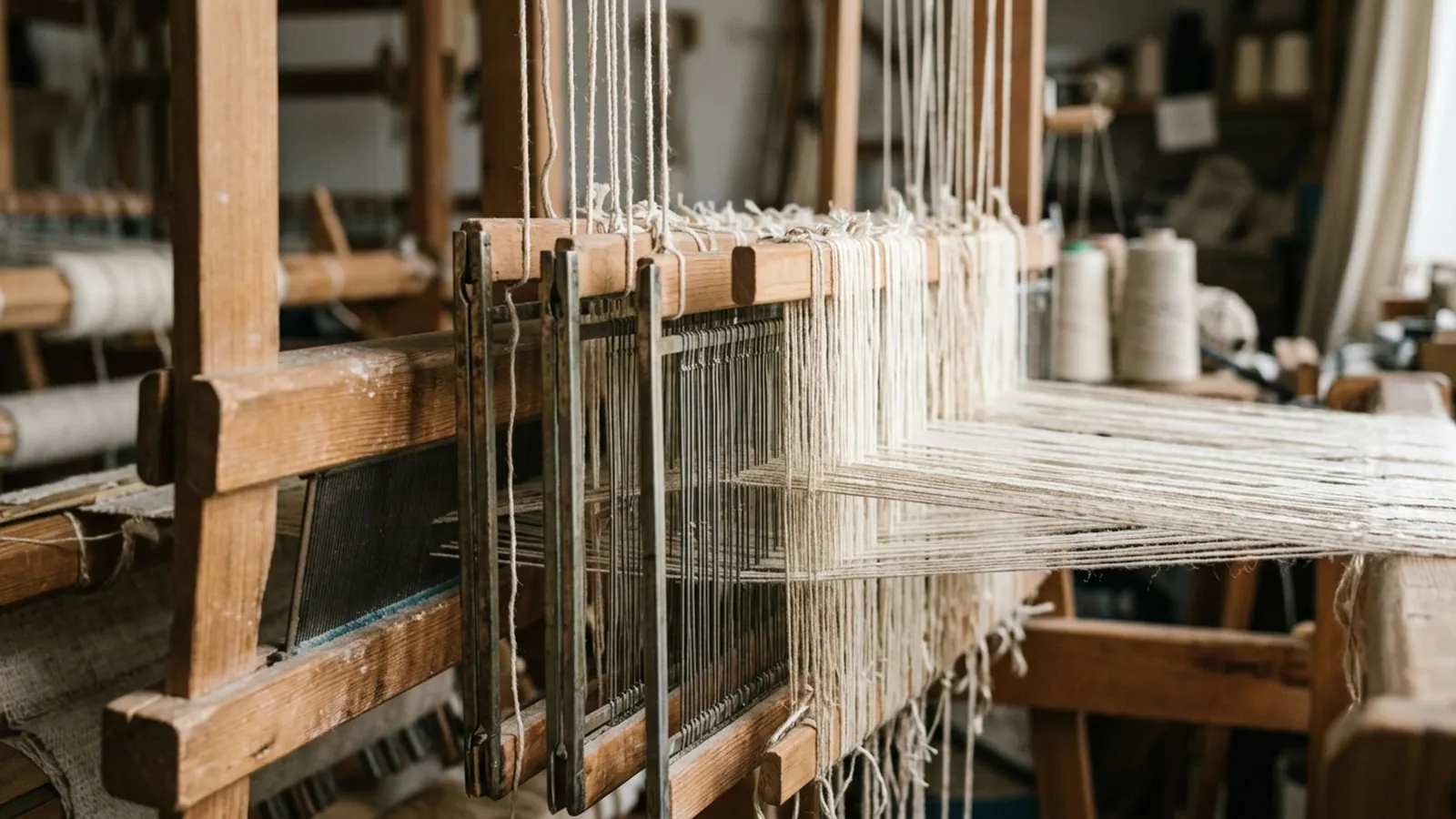
A piece of patterned cloth can look effortless until you watch the mechanism that makes it. In Lyon’s Croix-Rousse district, a weaving demonstration offers a way to connect a beautiful finished object with the skill, equipment and working space behind it.
Make the experience a visit to understand one process, rather than a promise that you will weave your own souvenir. Watching closely can be enough to change what you notice in textiles afterward.
Choose a demonstration rather than assuming a workshop
Soierie Vivante preserves two former home-workshops associated with Lyon’s silk workers. Its official visitor information describes guided visits in which looms are operated for visitors. This is evidence for a demonstration, not an automatic hands-on class. Soierie Vivante visitor information
The Lyon tourist office lists the workshops and identifies the association’s base at 21 rue Richan. Use the current visit information to establish which workshop and session you are attending. Two sites associated with one organization do not necessarily mean two demonstrations included in a single visit. Official tourism listing
Before planning the day, check the session, language, meeting place, ticket conditions and access. The visitor information describes regular afternoon visits, but confirm arrangements for your particular date instead of assuming an old timetable covers a holiday or closure.
Bring one question about how cloth is made
Choose something simple: how does a loom change the pattern, what makes a ribbon different from a wider fabric, or what does the weaver need to adjust? You do not need a textile vocabulary before arriving.
Watch for cause and effect. Notice an action, then look at the cloth it produces. If questions are invited, ask about that particular step. A small, specific question is easier to answer usefully than asking the demonstrator to summarize the entire history of silk.
Keep clear of machinery and follow the guide’s instructions. A working loom is not a photo prop. Do not touch threads or moving parts without explicit permission, even when the arrangement looks robust.
See the working room as part of the story
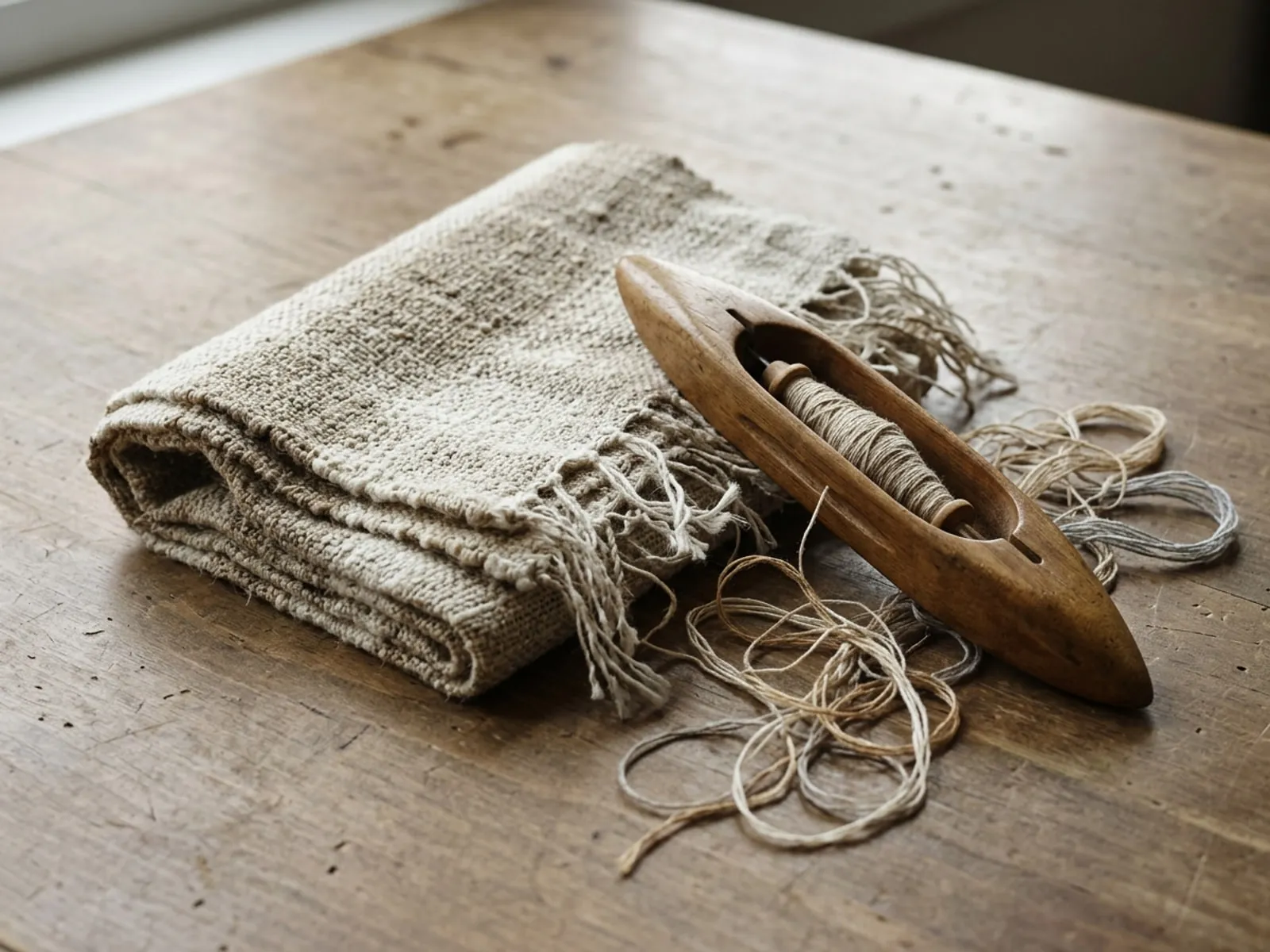
The setting matters because these are preserved home-workshops, not just isolated machines in a generic display. Notice the relationship between room, equipment and work. The experience can make a district’s buildings feel less anonymous afterward.
Avoid inventing a story for every architectural detail. Ask what the guide can explain about the workshop itself and distinguish that from your own impressions. It is enough to leave understanding a little more than you did on arrival.
If you buy a textile elsewhere in the city, ask where it was made and what process produced it. A shop’s location does not prove that everything it sells was woven locally. Your visit gives you better questions, not automatic authentication skills.
Leave space around the visit
Plan a modest amount of walking before or afterward rather than turning the demonstration into one stop in an exhausting checklist. Check the actual approach, slopes and transport from your accommodation. Ask the operator directly about stairs and seating if they affect your participation.
A train arrival and a scheduled demonstration on the same tight afternoon add unnecessary fragility. For a short stay, consider putting the visit on the full day between travel days. For a longer one, let it anchor an otherwise ordinary neighborhood afternoon.
There is no need to buy a city pass solely because one attraction is included. Compare the pass with the places you genuinely intend to use and verify the current inclusion and any reservation requirements.
Take away a way of looking
After the visit, choose an everyday textile and look at it more carefully. What can you now recognize, and what remains a question? A few notes or a permitted photograph of equipment may help you remember, without needing to record the whole presentation.
This experience suits someone curious about craft and industrial history, even if they never intend to weave. If you want to make something yourself, book a separate, explicitly hands-on activity. The rewarding part here is seeing skilled work make a material object understandable.
Sources
Soierie Vivante official visitor and contact information and Lyon Tourist Office workshop listing, checked 16 November 2026. No hands-on participation, fixed price or guaranteed language is promised.
Continue planning
Paris to Lyon by train: choose the stations before the fare. If arriving from Paris, choose the Lyon station and transfer before committing to a timed demonstration.
Use a local class to give a longer stay some structure. If the demonstration sparks a wish to learn, a separate local class can give a longer stay a useful weekly rhythm.