Watch the Perseids from somewhere properly dark
A seasonal skywatching experience prioritizes dark-sky access, comfort and realistic expectations over spectacular photo promises.

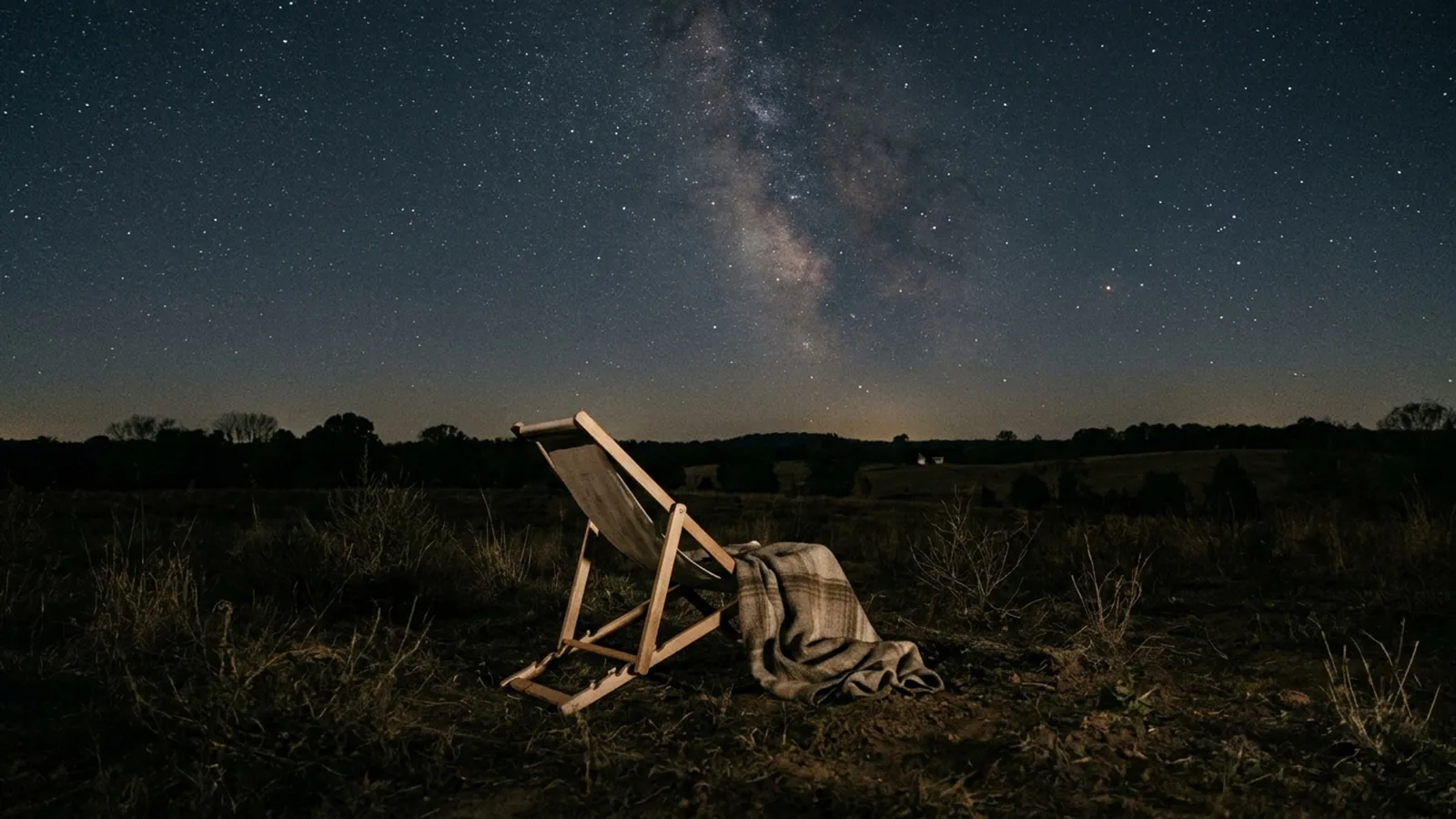
The satisfying version of a meteor-shower evening is simple: somewhere safe and dark, warm layers, a comfortable place to sit, and enough patience to look up. It does not require an expensive telescope or a photograph with dozens of streaks.
The Perseids offer an annual reason to plan that evening. Choose the viewing conditions and the year’s actual timing before committing to a special trip, and give yourself a worthwhile night even if clouds or a quiet spell limit what you see.
Choose the year and conditions together
NASA identifies the Perseids as an annual shower associated with debris from comet Swift–Tuttle, best viewed from the Northern Hemisphere in the predawn hours. Its general page is background, not a forecast for your chosen year and location. NASA Perseids guide
Check the current annual calendar for the peak, then compare moonlight, local darkness and likely viewing conditions. Do not reuse a previous year’s favorable moon description as a promise for the next one. A calendar peak that happens in daylight where you are does not mean you should watch during daylight.
A neighboring night with clearer weather may provide a better experience than the nominal peak under cloud. That is a practical planning choice, not a guarantee that either night will produce a particular count.
Find a place where you may actually stay
Look for a broad view of the sky away from direct artificial lights. Check permission, opening hours, parking, toilets and the route back before nightfall. A dark-sky designation or beautiful photograph does not automatically mean unrestricted nighttime access.
For a first attempt, a known campsite, organized observing evening or familiar permitted location may be easier than an isolated new roadside stop. Assess the conditions with your companions and leave a clear plan with someone if the setting warrants it.
Do not stand on a road, block a gateway or wander into restricted land to get a darker horizon. The experience is about patient observation, not accepting an avoidable risk for one more meteor.
Watch a wide sky
The American Meteor Society explains that binoculars and telescopes restrict the field of view for meteor watching. Use your unaided eyes and a comfortable position that lets you see a broad area. Give your eyes time away from bright lights. Meteor FAQ
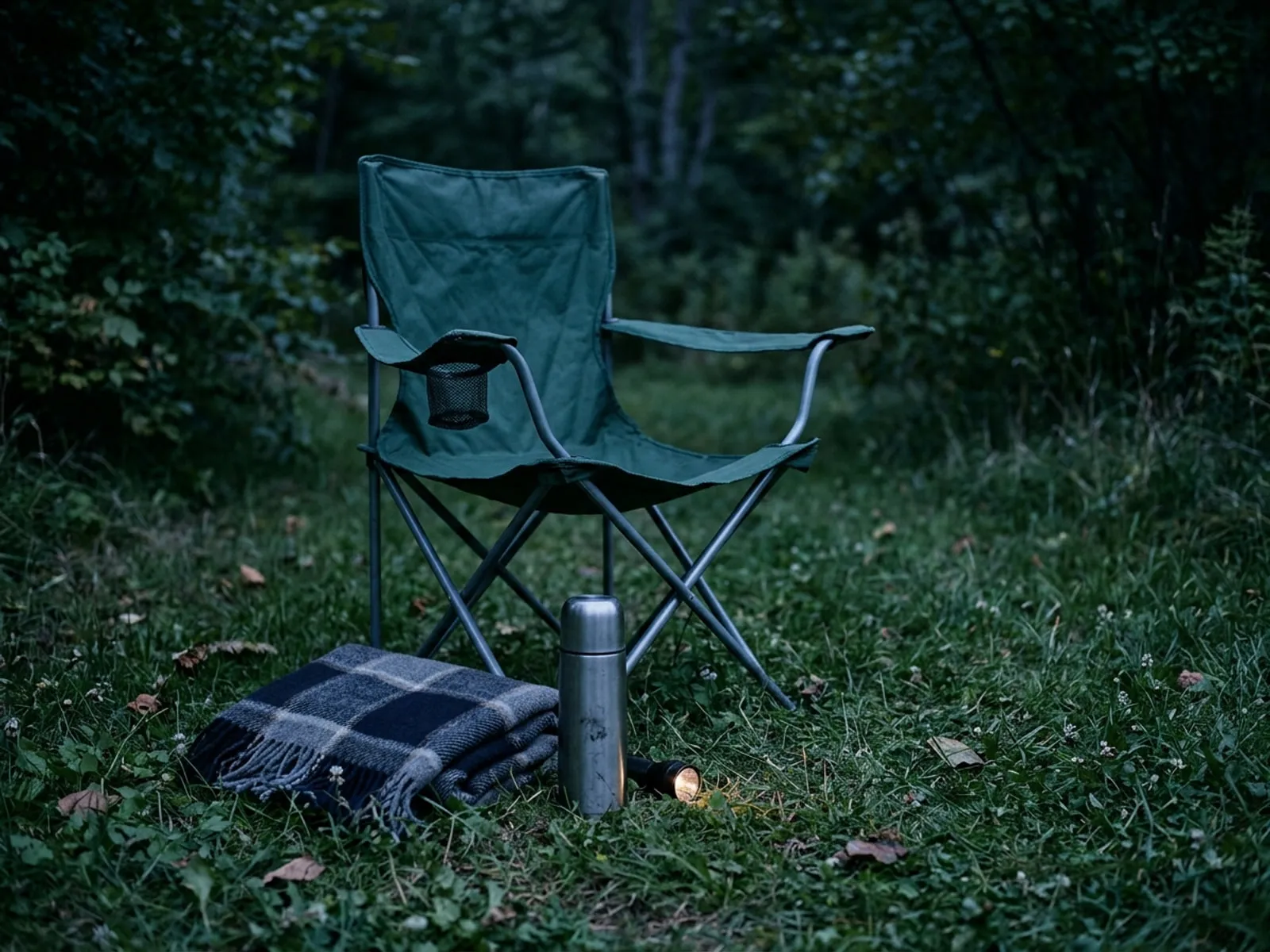
Bring enough insulation for sitting still, even if the day was warm. A reclining chair, blanket and warm drink can make a longer watch pleasant. Put the things you need within reach before settling down so repeated bright-phone checks do not dominate the evening.
You do not need to stare directly at the radiant, the apparent origin of the shower. The aim is to notice streaks across a useful stretch of sky. If you want help identifying constellations, do that separately rather than turning the whole watch into screen use.
Set a goal you can control
An advertised hourly rate describes observing conditions and a statistical expectation, not a personal appointment with a hundred meteors. Clouds, moonlight, the visible sky and chance affect what you see. Avoid making a distant journey depend on a guaranteed spectacle.
Choose a controllable goal instead: an unhurried watch, learning a little about the sky, or sharing a quiet evening outdoors. Decide in advance when you will stop if you are cold or tired. For a family or mixed-interest group, a shorter comfortable session can be better than enduring hours to justify the plan.
If photographing, treat it as a separate hobby with its own attention demands. You can leave the camera packed and still have completed the experience. An online image may combine exposures; it should not set the expectation for what one pair of eyes sees at once.
Make the return part of the plan
Check the route in daylight and avoid planning a long drive immediately after an exhausted predawn watch. Consider accommodation, a rested driver or an earlier finishing time. Keep a light for moving safely even though darkness helps observation.
Afterward, note the conditions and what you enjoyed, rather than only the count. A quiet sky can still be memorable. If clouds win, the annual return gives you another reason to try, with a better idea of the location and equipment that make the evening comfortable.
Sources
NASA Perseids and American Meteor Society Meteor FAQ, checked 16 November 2026. No future-year peak date, weather, moon condition or meteor count is promised.
Continue planning
Look through a telescope at Chabot and take your time with the sky. For a separate telescope experience with an organized venue, consider Chabot; meteor watching itself needs a wide unaided view.
Make careful observation part of a longer stay. If careful observing appeals, make a repeatable observation routine part of a longer stay.