Look through a telescope at Chabot and take your time with the sky
A public telescope evening in Oakland offers a nearby way to turn curiosity about space into something you actually do.

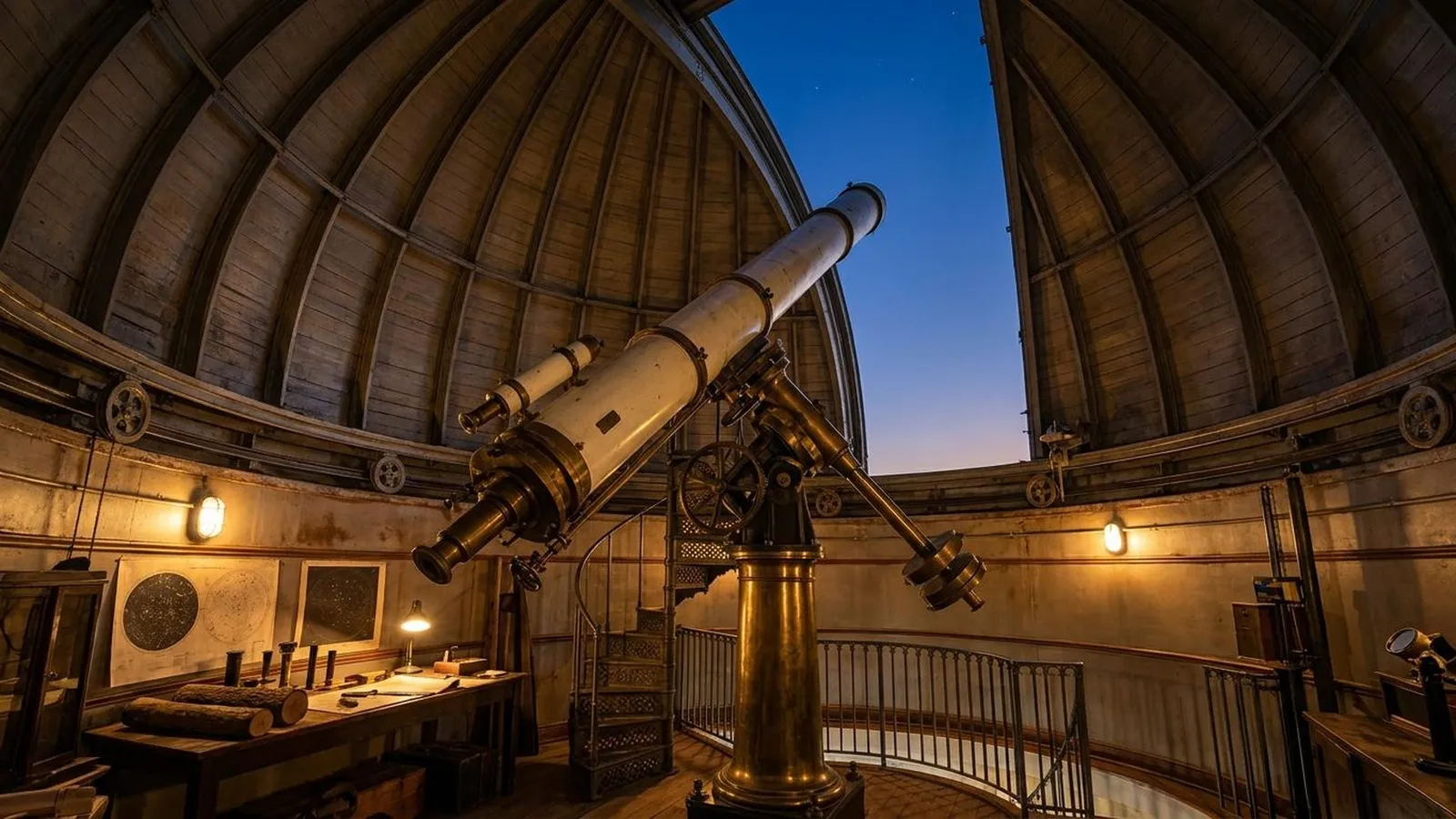
Some bucket-list experiences need a passport and a long absence from home. Others begin with choosing a clear evening and making time for something you have somehow never done.
Looking through a telescope can belong in that second group. A picture tells you what another person captured. An eyepiece asks you to pause and look for yourself—even when the view is smaller or subtler than the images that first caught your attention.
For a specific Bay Area starting point, Chabot Space & Science Center in Oakland offers public telescope viewing. You do not need to turn the evening into a grand astronomy project. One object you can recognise, one question answered and one new reason to look up would be a good beginning.
A real evening you can put on the calendar
Chabot currently advertises free telescope viewing on Friday and Saturday nights, from 7:30 to 10:30 p.m., weather permitting. The sessions take place on its Observatory Deck with astronomers and historic telescopes. Check Chabot’s telescope-viewing page.
Use that schedule as a starting point, then check again before travelling. Chabot explains that weather, including humidity and rain, can prevent instruments from opening. Its page links to current telescope status. A clear-looking patch of sky at home is not confirmation that the viewing session will operate.
The free viewing offering is distinct from the center’s general daytime admission. If you want to combine the two, check the separate hours and admission arrangements rather than assuming one ticket or opening period covers the whole visit. Plan your visit.
Give yourself a small question to take along
A first evening becomes more satisfying when you have something you genuinely want to understand. You might ask how to tell a planet from a star, what the telescope is showing tonight, or why a familiar object looks different through an eyepiece.
You do not have to prepare technical vocabulary. “What should I be looking for?” is an excellent question. Let the answer shape how you look rather than worrying about appearing knowledgeable.
If you are going with a partner or friend, each choose one question. Afterwards, compare the detail you noticed and the thing that surprised you. That gives you a shared experience beyond saying you visited an observatory.
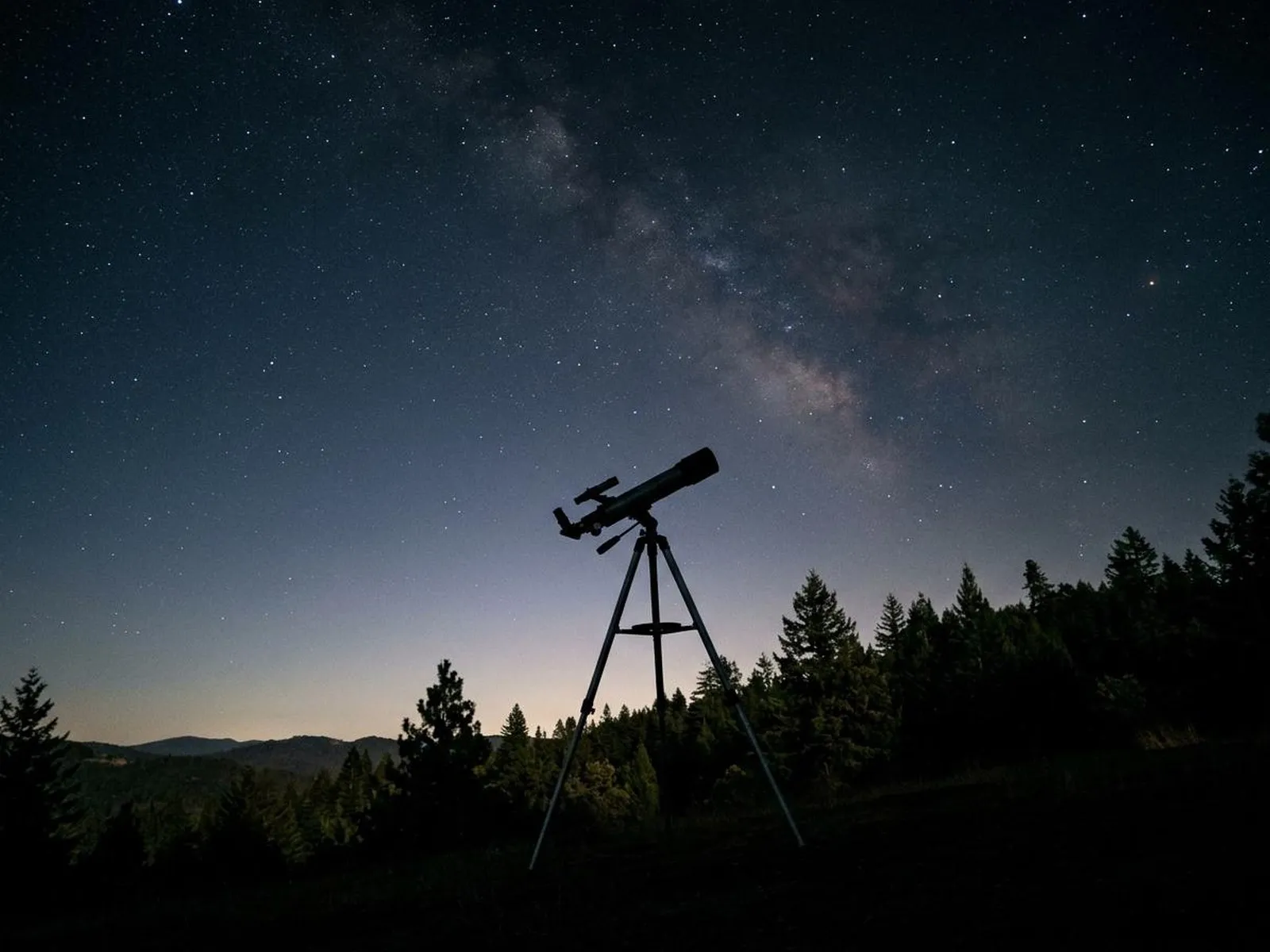
Let tonight’s sky set the program
The attraction is real observation, which means the evening should follow actual conditions and the objects available. Do not build your whole expectation around seeing a particular planet, a particular telescope being open or a view you found in an old photograph.
Ask what is being shown that evening and what you should expect through the instrument. Take time to get comfortable at the eyepiece, within the guidance staff provide. If you cannot see what is being described, say so; pretending you can is a poor reward for making the trip.
A modest view can still change your relationship with the sky. You may remember the first object you successfully identified more clearly than an impressive image you scrolled past earlier that day.
Make the practical parts easy
Before leaving, check the current viewing information, address and travel arrangements on Chabot’s own site. Think about the journey home as well as the outward trip, particularly if you are not used to evening drives or are arranging a ride.
Ask the center in advance about any requirements that could affect your visit: reaching the viewing area, standing or queuing, using an eyepiece, or bringing someone who needs assistance. A general statement about building access does not answer every question about an individual telescope. This guide does not claim every instrument suits every visitor.
Plan for time outdoors and follow current venue guidance. You should not need to buy a telescope, specialist camera or a pile of equipment to try a public viewing evening. The purpose is to discover whether you enjoy looking, not to prove commitment through a purchase.
Keep the experience open-ended
You might leave content with having tried something new. You might decide to learn a few constellations, return in another season or look for a public astronomy night closer to home.
For readers outside the Bay Area, the useful idea travels: find an observatory, science center or astronomy society advertising a current public session, then confirm its arrangements directly. Chabot is the researched example here, not a claim that every organization runs the same kind of event.
A good bucket list should have room for an evening you can actually do soon. This one begins by checking the sky—and then making space in your calendar to look at it.
Planning notes and sources
This is a researched suggestion, not a firsthand review. Chabot’s official telescope-viewing and visitor pages were checked November 13, 2026. Hours, instrument availability and arrangements can change. No particular celestial object or weather outcome is promised.