Spend a Valparaíso day between the hills and the harbour
Give Valparaíso a day of viewpoints, a little art and time to notice its working harbour, without trying to see every hill.

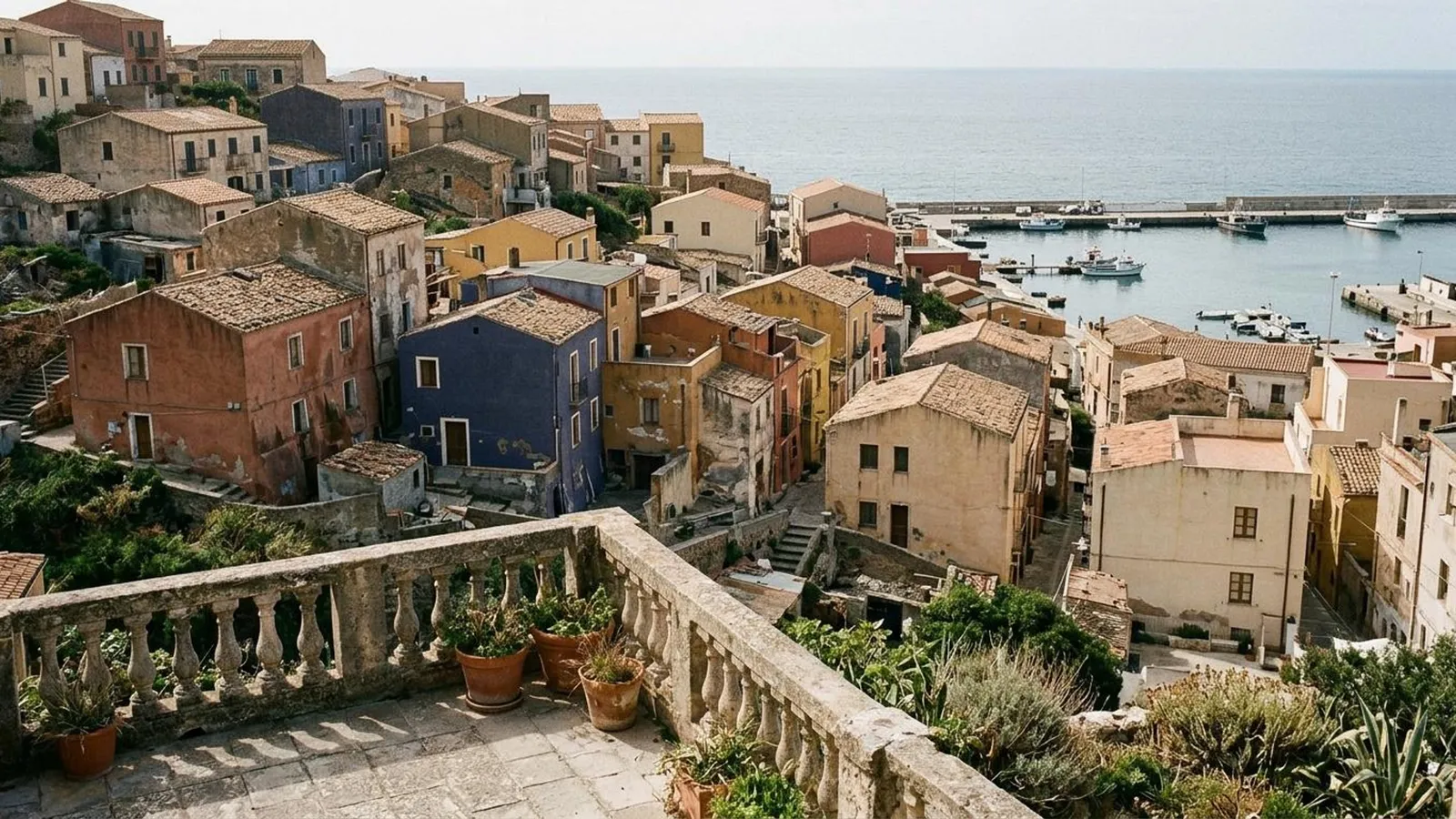
A satisfying Valparaíso day need not end with a list of every hill you crossed. It might leave you with one view: houses rising behind you, the port spread out below, and a sense of how the two parts of the city belong together.
Give the day that question. How does a city work when its streets have to negotiate the hillside, and its attention keeps turning toward the sea?
Alegre and Concepción are a useful focus. This is a suggestion for shaping a city day, not a turn-by-turn route or a guarantee that every lift and passage will be available when you visit.
Begin with the shape of the city
UNESCO describes Valparaíso’s historic quarter as a city adapted to an amphitheatre-like setting, its hillside streets contrasting with the layout on the plain. That gives you something more interesting to look for than a sequence of colourful buildings. UNESCO’s historic-quarter description.
Consider starting with an introduction from a local guide, particularly if you want help understanding the neighbourhoods or choosing a route suited to you. Explain what you want from the day: some context, a viewpoint, perhaps one interior visit, rather than the greatest possible distance.
If you prefer to explore independently, choose the route and return arrangements before setting out. A line on a map tells you less about the day when stairs and slopes are part of the journey.
Choose a viewpoint, then stay long enough to notice
Paseo Yugoslavo and Paseo Gervasoni offer two concrete names to investigate. Chile’s official tourism information includes both among the city’s viewpoints. The natural-history museum’s guide places Yugoslavo above Plaza Sotomayor, looking toward the port, with Palacio Baburizza alongside it. Chile es Tuyo’s Valparaíso guide; the museum’s Yugoslavo description.
You do not need to turn that into a requirement to visit both. Choose one, allow time to look, and decide whether the second adds something to your day.
The harbour is not simply scenery provided for visitors. Watch the relationship between the working waterfront and the streets above it, without assuming you can enter operational areas or photograph people at close range without asking.
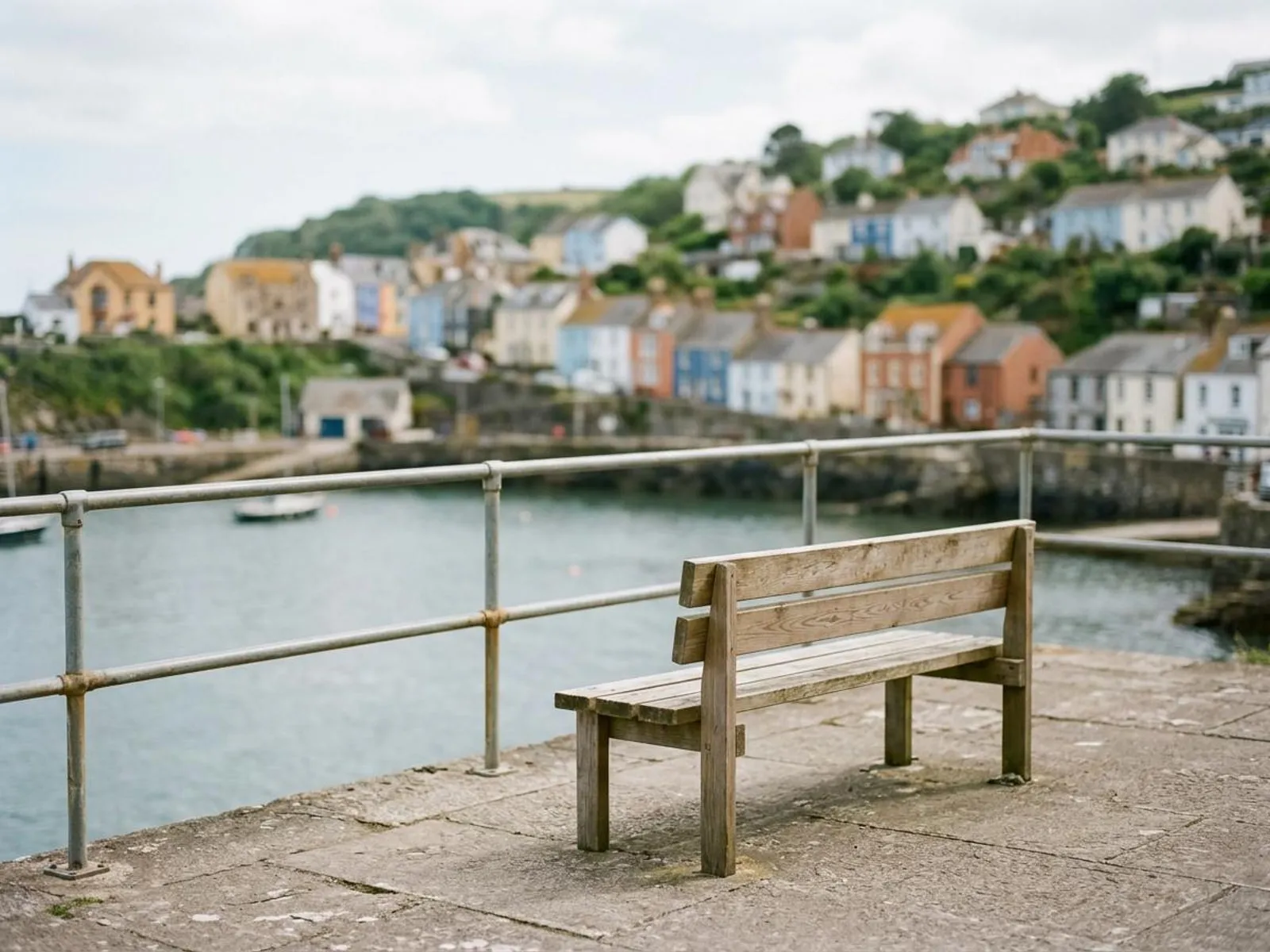
Let one interior add depth
If you want an art stop, Museo Baburizza gives you a specific option to consider: Valparaíso’s fine-arts museum, at Paseo Yugoslavo 176 on Cerro Alegre. Read the museum’s current visitor information before fitting it into the day. Museo Baburizza.
The choice is between spending some time with a collection and continuing outdoors—not between seeing the city properly and failing to do enough. A single painting that holds your attention can be a better reason to go inside than the fact that a museum happens to be nearby.
For a different kind of interior, La Sebastiana has its own guide. Keep that house-and-writer experience as a separate choice rather than making this hillside day another version of the same article.
Treat the ascensores as transport with conditions
The historic lifts are part of the appeal, but a guide describing an ascensor does not establish that it is running today. Chile Travel introduces the lifts alongside Alegre and Concepción; use that as orientation, then confirm the service you actually intend to use. Official destination guide.
Build the day so a closure changes the plan rather than spoils it. Ask what the walking alternative involves and whether another transport option would suit you better. Do not assume a substitute staircase is an equivalent route for everyone.
No lift timetable, fare or current operating list is promised here.
Keep the harbour outing optional
Chile Travel’s suggested itinerary includes Muelle Prat and the possibility of a bay boat trip. That is another way to consider the city from the water, but it is a separate decision from a hillside walk. Official two-day itinerary.
If it appeals, check a real operator’s departure point, duration, boarding arrangements, conditions and cancellation terms before committing. Otherwise, seeing the harbour from a viewpoint can be enough. This guide does not endorse a boat operator or provide a verified sailing offer.
Leave yourself a straightforward way back
The best ending may be sitting down rather than finding one more landmark. Keep enough time and energy for the return to your accommodation or onward transport, and avoid arranging a tight connection around an outing whose pace is deliberately flexible.
Read current travel advice and ask locally about your chosen route. The US State Department’s Chile guidance discusses crime in Valparaíso; do not interpret a colourful streetscape as a promise that every street, time or walking plan is equally suitable. Keep possessions discreet and use appropriate transport when the situation calls for it.
Your first step
Pick one viewpoint and one optional visit, then decide how much walking you actually want between them. Confirm the route, transport and visitor access for your date.
For the wider setting and our other experiences here, see the Valparaíso place overview.
Let the city’s shape provide the connection. You do not need a photograph from every hill to come away with a sense of Valparaíso.
Sources
UNESCO, Chile Travel, Chile es Tuyo, the Museo de Historia Natural de Valparaíso, Museo Baburizza and US State Department guidance linked above; checked November 14, 2026. Named places are researched anchors, not a surveyed or universally accessible walking route.