See one act of kabuki at Tokyo’s Kabukiza
Choose a manageable first encounter with kabuki through the programme’s actual single-act options, seating and language support.

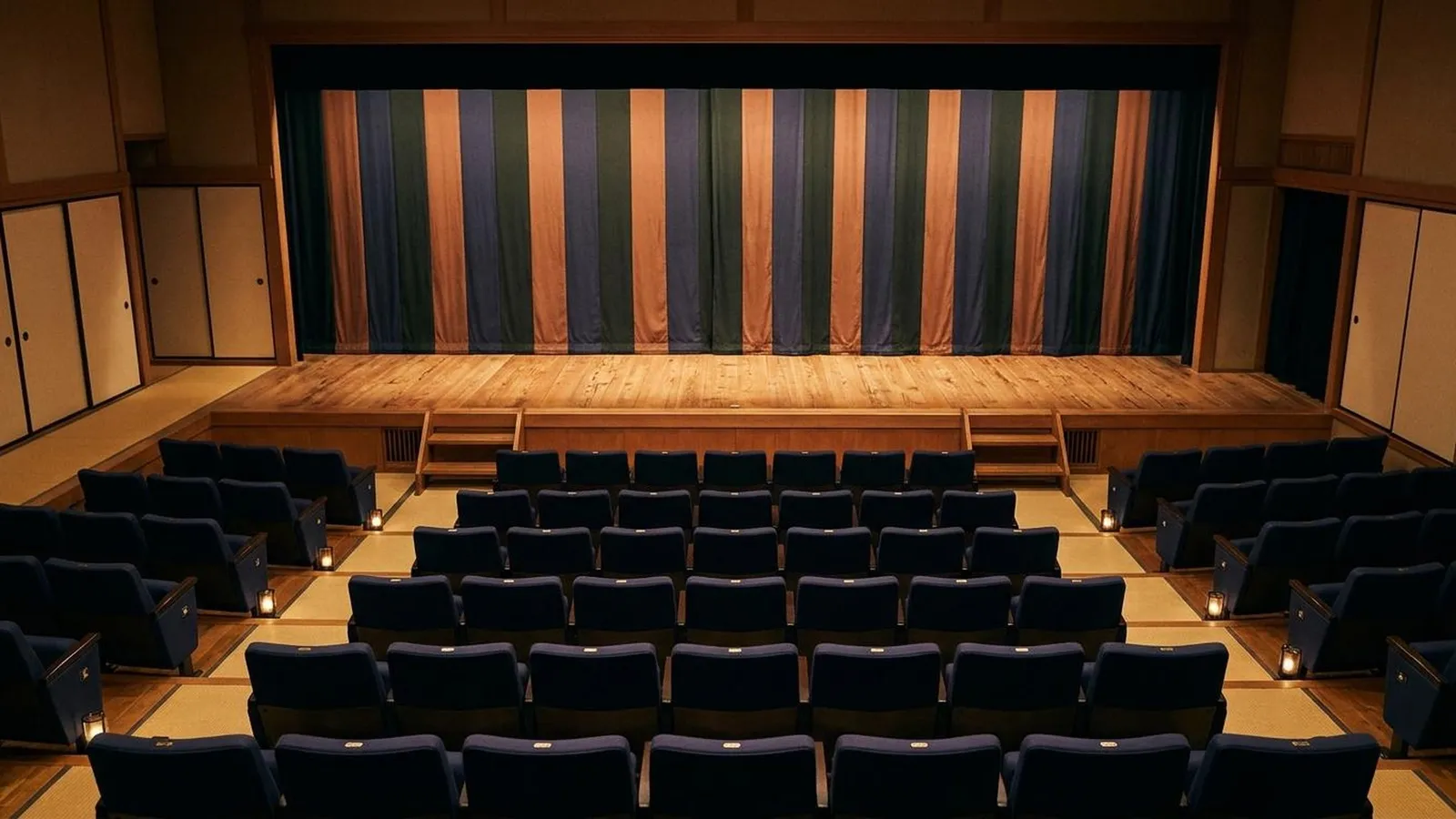
An unfamiliar theatrical tradition can feel easier to approach when the commitment is one performance you have chosen thoughtfully. At Tokyo’s Kabukiza, single-act tickets offer that possibility for many programmes.
You can come for the movement, sound and stagecraft, with enough preparation to follow the situation without expecting to understand everything the first time.
Choose the act before the ticket
Shochiku explains that the plays and single-act arrangements change with the monthly programme. Its single-act page points visitors to the relevant performance information rather than a fixed menu that applies all year. Single-act introduction.
Read a synopsis for the actual act. A dance-focused scene may offer a different first encounter from a substantial section of a longer dramatic story. Choose using your own interest and the information available for that production.
The word act does not establish a standard length. As a dated example, the November 2026 listing gives different running times for different selections and asks visitors to check the precise schedule again. Use the programme for your month rather than carrying those times into a future visit.
Understand where you will sit
The general single-act explanation refers to fourth-level seats, while the dated November programme also lists an upgraded single-act product. That makes the exact seating description important; do not treat every ticket containing the words single act as the same view or access arrangement.
Compare the available seat options, how they are sold and any restrictions attached to that area. Establish how to reach the seat if stairs, distance or other access needs affect your choice.
Choose a ticket you will be comfortable using for the whole performance. A low headline price is only helpful if the actual experience suits you.
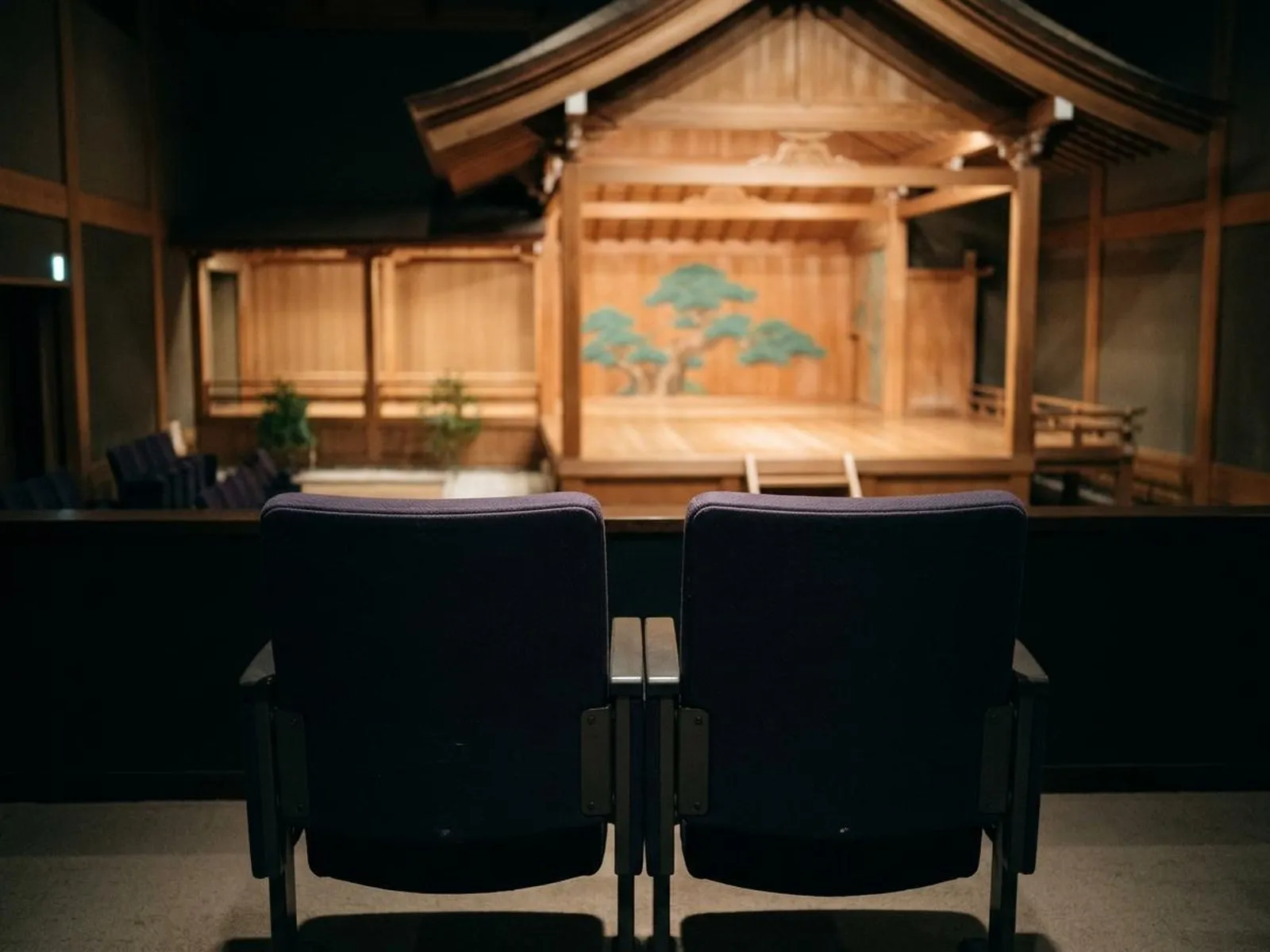
Prepare enough to recognise the situation
Read a short introduction to the characters and the scene beforehand. Then allow yourself to watch without trying to translate every moment into a familiar theatrical form.
You may be drawn to a gesture, a change in rhythm or a detail of staging. Notice what you respond to before deciding whether you have understood the performance well enough.
If language support matters, confirm exactly what is offered for that production and seat category. Official pages describe different services and some discontinued options; do not assume a guide mentioned in an older account remains available.
Give theatre time on both sides
Recheck the performance time close to the day, arrive with enough margin for the ticket and entry process, and follow the theatre’s rules on photography, phones and audience behaviour.
Keep the hour afterward free enough for a meal or a conversation. Ask your companion what moment they remember rather than beginning with whether either of you followed the entire story.
Our first-opera guide approaches another unfamiliar live tradition through a specific work. Kabuki can begin in the same spirit: a real performance, modest preparation and permission to be new.
You may want to return for a full programme. You may simply remember one scene vividly. A first encounter does not have to become a claim of expertise to deserve its place on your list.
Sources
Shochiku single-act explanation