Try your first opera with Tosca in San Francisco
An evening of live music and drama, with enough preparation to enjoy it without studying for an exam.

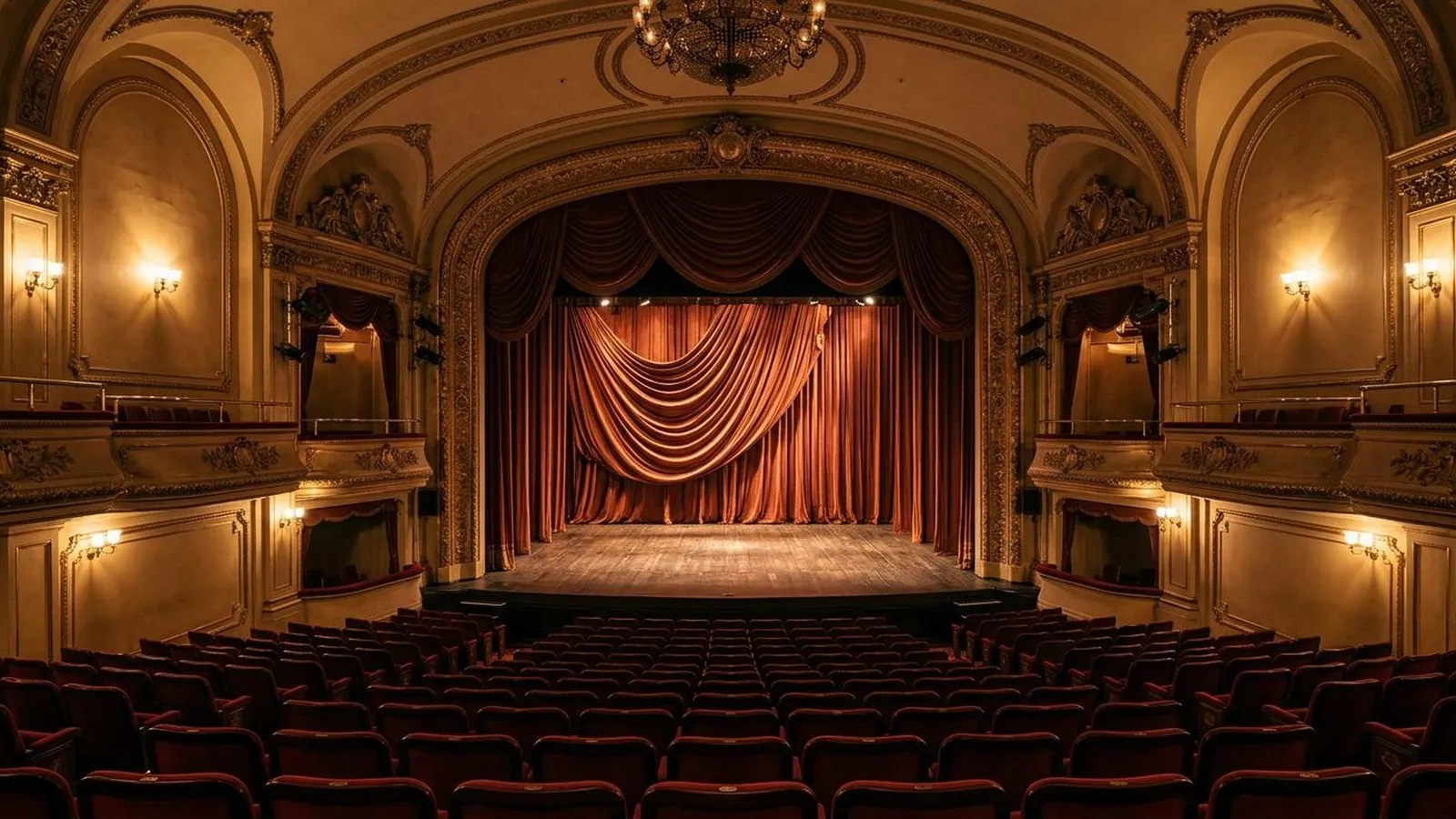
You can go to the opera without deciding to become an opera person. One performance is enough for a useful experiment: hearing operatic voices live in a theater, following a story carried by music and discovering whether the experience moves you.
Tosca is one possible starting point for someone drawn to tense drama. It is a tragedy involving abuse of power and violence, so choose it for the kind of story you want to encounter, rather than because any famous title must be the right first opera.
A specific performance to consider
San Francisco Opera lists Puccini’s Tosca at the War Memorial Opera House from June 4 to July 2, 2027. The production is advertised in Italian with English supertitles, running approximately two hours and forty-five minutes including two intermissions. Those details belong to this production; they are not a rule for every Tosca or every opera. Check the performance page again when booking. Tosca at San Francisco Opera
Supertitles give you a way into the story without knowing Italian. You will sometimes look between the translated text and the stage, much as you divide attention between subtitles and action in a film. Read the company’s short synopsis beforehand if you would rather spend less of the evening working out who everyone is.
You can stop before the ending if surprise matters to you. Knowing the central relationships and setting is often enough preparation for a first visit. There is no need to learn the entire score or memorize a cast list.
Spend on the seat that suits you
A first opera does not need to be an extravagant night. Decide what you are comfortable spending before opening the seating plan, then compare the actual seats available at that performance. A low advertised starting price does not tell you what remains for your date or whether the view suits you.
Think about the stage and the supertitles together. Ask the box office about any restricted view, how easily the text can be seen from your chosen area and the access route to the seat. If steps, hearing support or another access need matters, ask about that exact performance and seating location. A grand building and a small seat-map icon cannot answer those questions for you.
Choose the date as carefully as the ticket. An afternoon performance may make the journey home simpler; an evening may give the occasion the feeling you want. Either way, include travel and the performance’s full duration when planning the day.
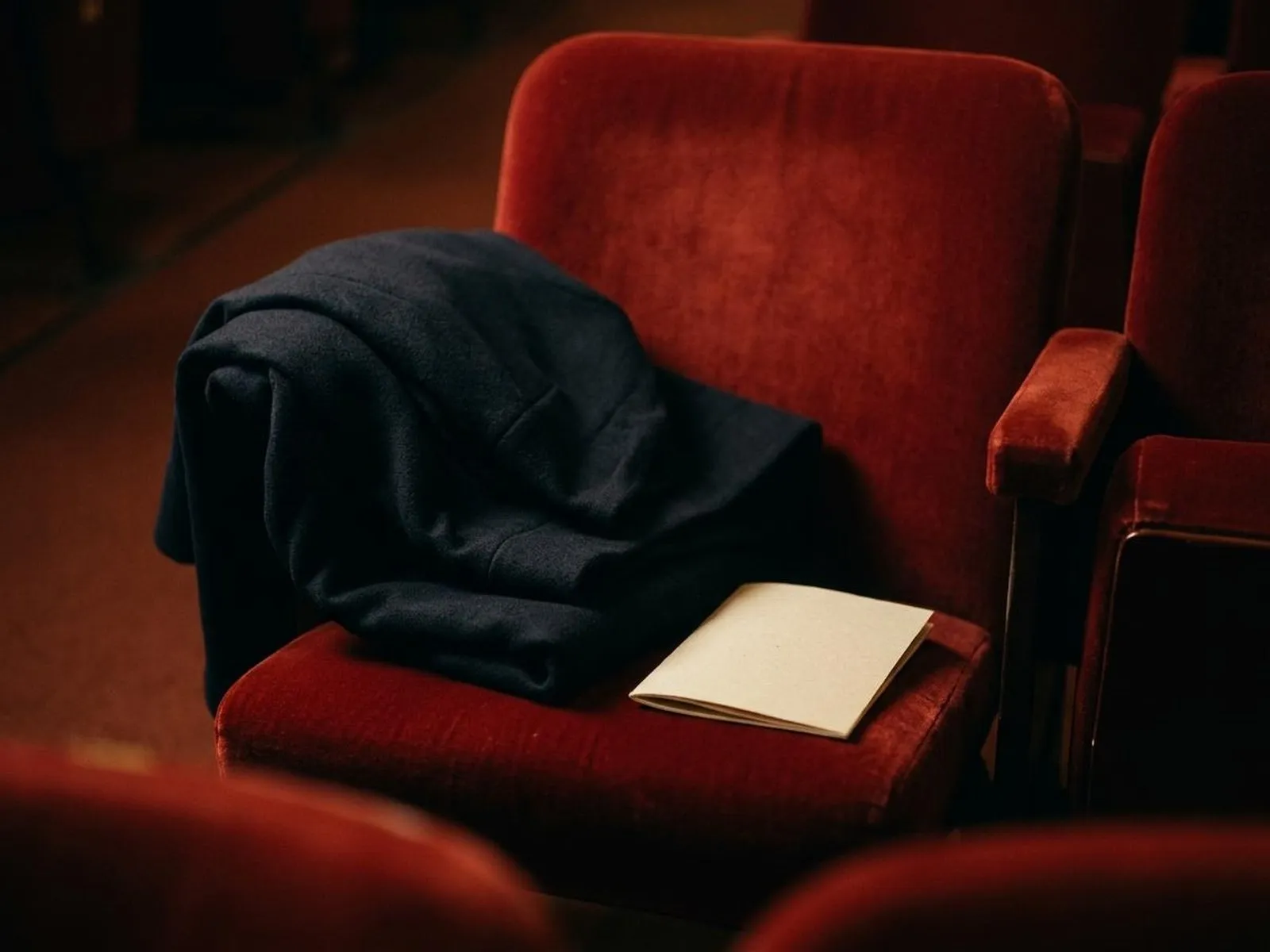
Arrive curious
Keep the meal beforehand simple enough that you arrive comfortably before the company’s requested arrival time. Check current entry, bag and late-seating guidance rather than discovering it at the door. Dress for a theater outing you will enjoy sitting through; let the venue’s guidance resolve any uncertainty about requirements.
Once the music begins, you are allowed not to recognize anything. Notice the relationship between the orchestra and the voices. Notice how a scene feels before you have found every translated word. In the intervals, resist judging whether you are responding correctly. You can be intrigued, overwhelmed, delighted or unconvinced without failing the experiment.
Afterward, ask a more useful question than whether you now like opera: what would you want more of? A particular voice, the orchestral sound, theatrical spectacle or a less tragic story might suggest the next performance. Or this one evening may satisfy your curiosity. The point of putting an unfamiliar art form on your list is to meet it in person and give it a fair chance.
Sources
San Francisco Opera Tosca production and performance information