Watch a mangrove landscape at Sungei Buloh
Observe a mangrove landscape at Sungei Buloh while respecting wildlife, route conditions and reserve guidance.

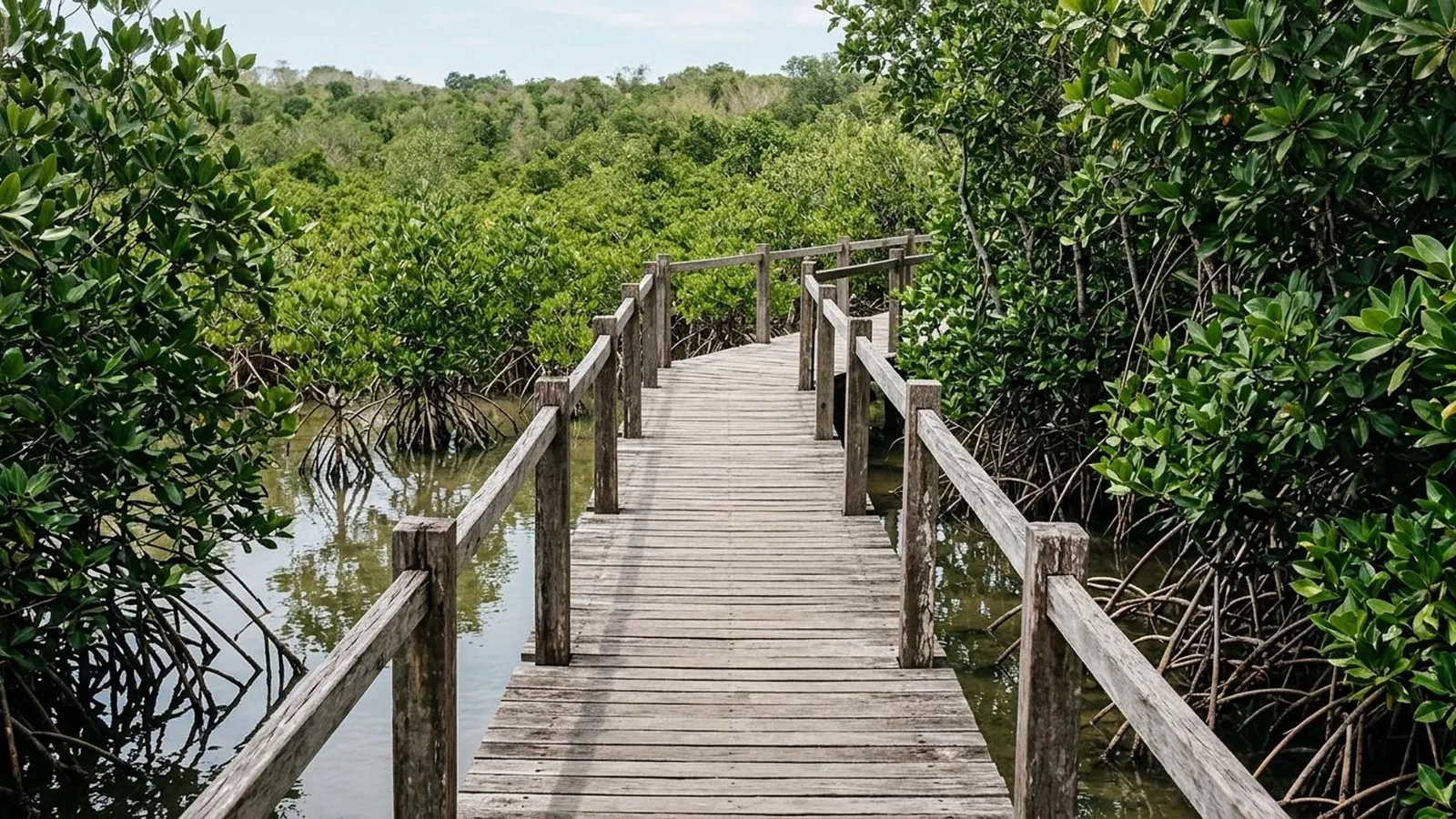
Sungei Buloh offers a different Singapore experience from the city’s indoor attractions and busy streets. Make the visit about watching a wetland landscape, not collecting a promised set of wildlife sightings.
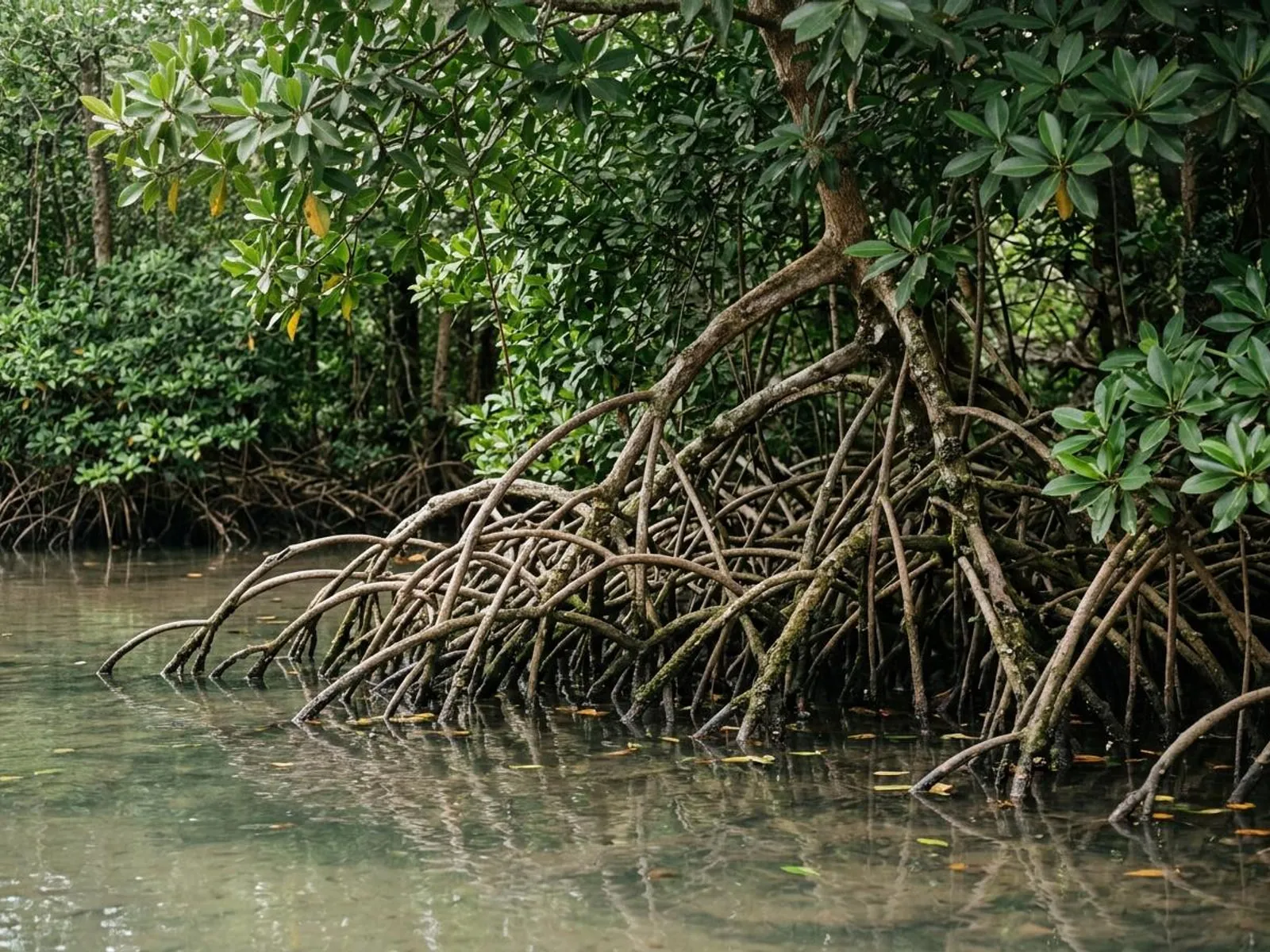
You might notice how roots meet water, where exposed ground changes the view or how much activity becomes visible when you stop moving. A quiet period of looking can be the whole purpose of the outing.
Choose the habitat before the species
NParks describes several nature-walk options at Sungei Buloh, including a mangrove boardwalk and coastal habitats. Read the current route description and choose a manageable part rather than assuming every trail must be combined. Official nature-walk information.
A habitat gives you something to observe even if no particular bird or animal appears. Look for patterns in roots, water and exposed surfaces. Let signs and interpretation help you understand them; your first impression need not be the explanation.
With a companion, compare one thing each noticed. You may discover that one person was watching the water while the other followed movement in the trees.
Stay within the visit the reserve permits
Follow current signs, closures and staff instructions. Remain on permitted routes, avoid disturbing wildlife and do not approach the water’s edge to improve a photograph.
Singapore’s animal and veterinary authority notes crocodiles in wetland and coastal areas and provides specific encounter advice. Read it before visiting, keep your distance and follow the authority’s instructions if you encounter one. A reserve visit is observation, not an invitation to seek a close encounter. Official crocodile guidance.
Check the conditions and practical arrangements for the day, including weather, route access and how you will leave. An “easy” label on a route does not establish that heat, surfaces or distance will suit every visitor.
Give yourself time to stop
Choose one permitted stopping point where you can look without blocking other people. Spend a few minutes there before deciding the scene is empty.
If taking photographs, prefer a record of the place over pressure to produce a close wildlife image. A note about what changed while you watched may be more personal than another distant photograph you cannot identify later.
Keep uncertain identifications uncertain. A guess can guide later reading without becoming a confident public claim about a species.
Put it beside a different kind of Singapore day
Bucketlist’s Peranakan Museum guide offers an indoor experience centred on materials and home. The two visits need not happen on the same day, and neither requires the other to feel complete.
For a habit you can continue afterwards, the local nature-journal project makes careful looking possible closer to home.
The worthwhile outcome is a better sense of a landscape, not proof that you saw every animal someone else photographed there.