
Follow one print from design to impression at Puebla’s Museo Taller Erasto Cortés
Look at a credited impression and use a label or documented example to trace how a surface left its mark.
Extraordinary places. Meaningful experiences.
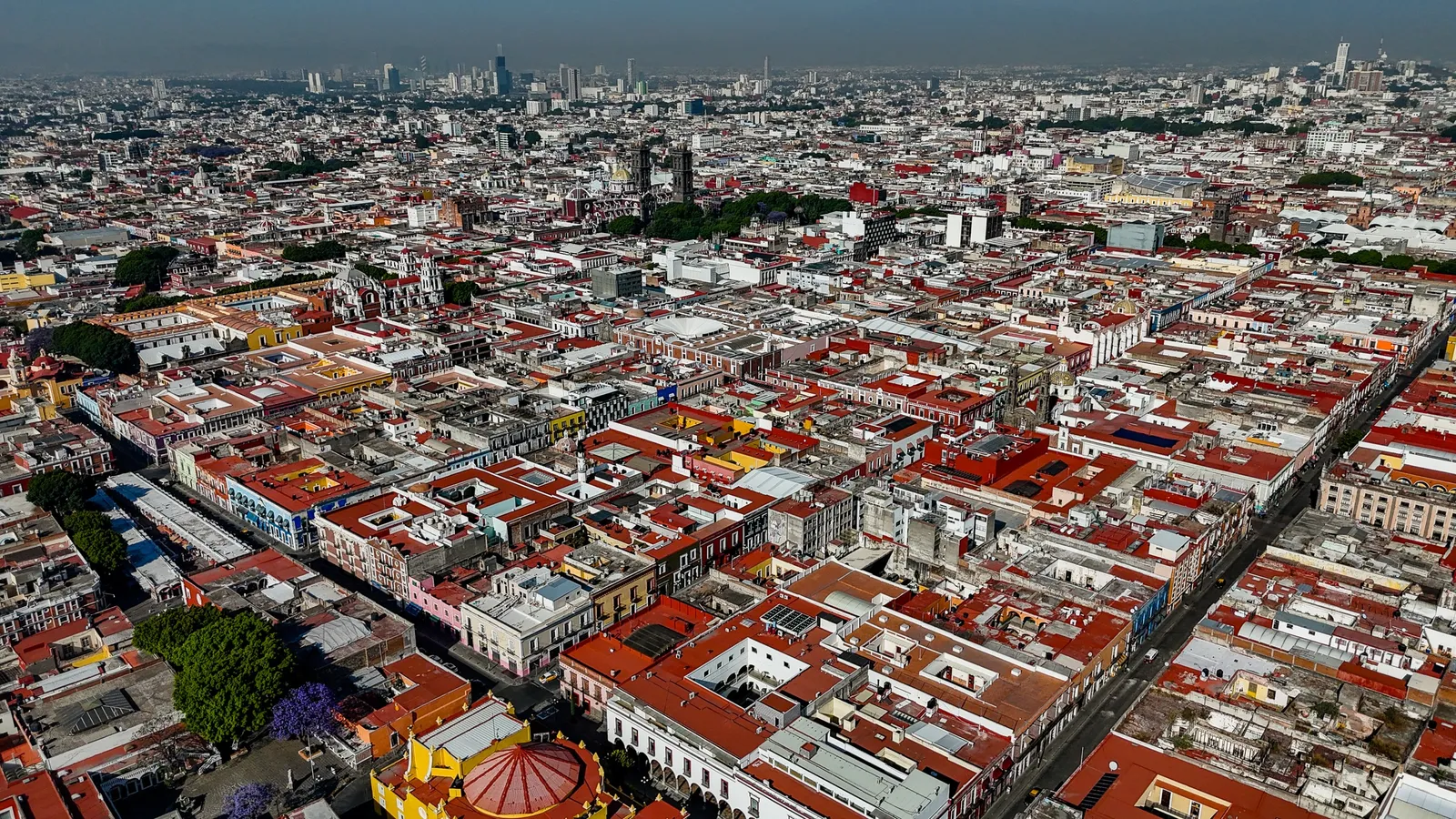
Start with a surface you can spend time with. In Puebla, the rim of a ceramic bowl, the end of a tiled band and the edge of a printed mark each give you a different way to see a maker’s work. Choose one before deciding how much else to fit in.
Follow one material at Museo Amparo. The museum’s online collection records describe how individual pieces were made, such as a polished bowl with slip and grooved decoration. Start online with a ceramic record, then check which objects are on display if you visit. A different piece will work if its record lets you follow one step clearly.
Look for one placement choice in Puebla’s tiled façades. Talavera from Puebla has domestic, decorative and architectural uses. Pick two exterior views if you want to move at your own pace, follow where a tile band starts and stops, and work out what part of the building it marks. Use building sources to check whether the tile’s history is documented.
Follow a print at Museo Taller Erasto Cortés. The museum shows work by the Puebla printmaker Erasto Cortés Juárez and introduces the wider graphic arts. Choose it to look from a finished effect back towards a process, using a credited impression or a workshop confirmed for your date.
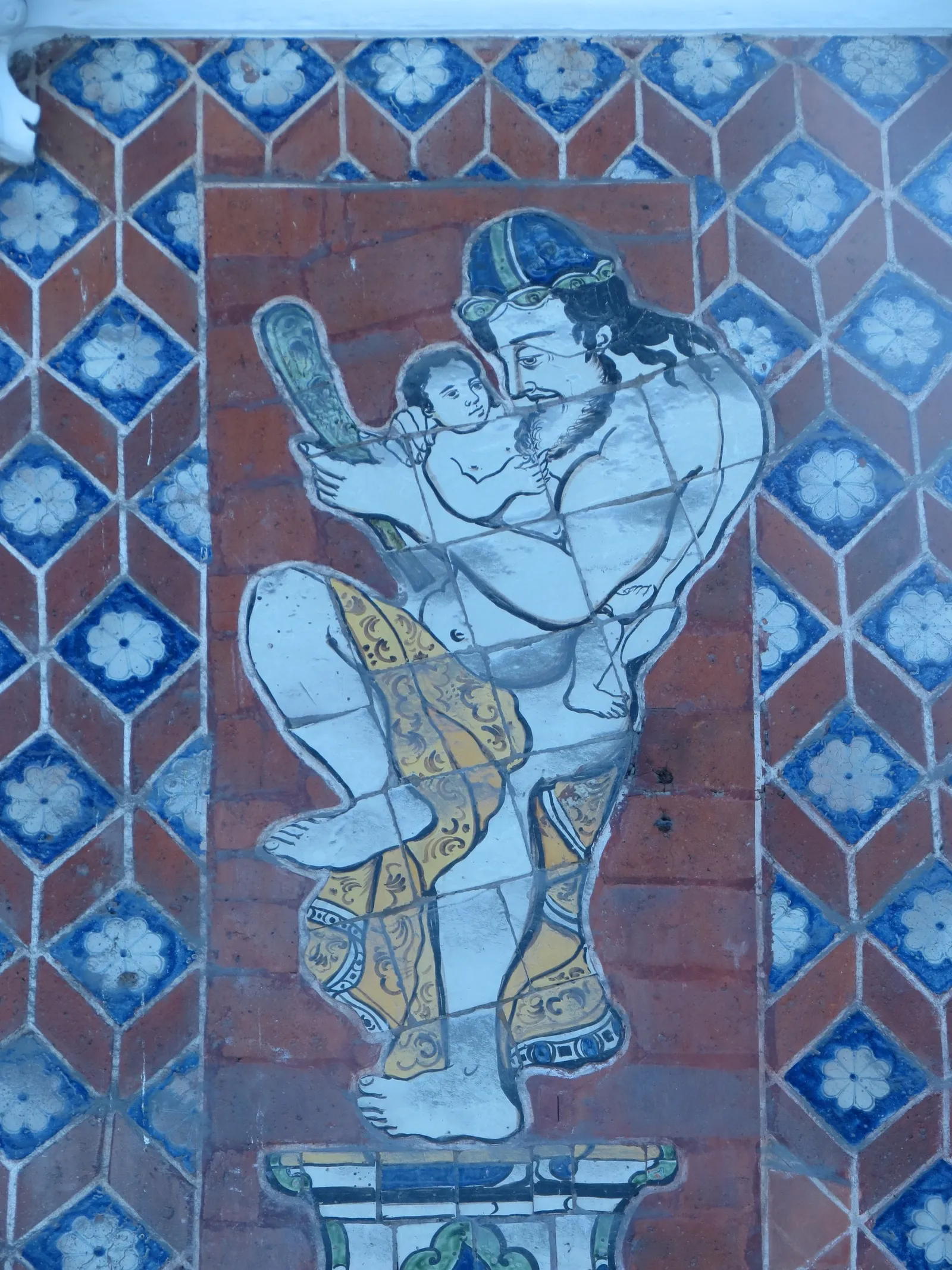
Set the scale at an object or a single façade. Plan museum access separately, check current hours, and keep a public exterior view in mind if an exhibition changes.
3 experiences.
Look at a credited impression and use a label or documented example to trace how a surface left its mark.
Start with a ceramic bowl and find what the museum can tell you about the clay, surface or making step.
Compare where patterned tile sits on two public façades and check what the heritage sources say about it.
Short notes from readers who have been. They are readers' own words and experiences: we review each one before it appears, but we don't check the details, and we don't edit them.
No notes yet for Puebla.
Been? Sign in to add a note.

