
Compare two viewpoints from Cape Recife’s public paths
Choose two positions on a short stretch of the reserve’s trail and see how the coast changes with your angle.
Extraordinary places. Meaningful experiences.
The South End Museum brings Gqeberha’s history to the scale of a household or a street. A marker on the Donkin Heritage Trail shows a different way of putting a name and a story into public space, and Cape Recife offers a separate excursion for a close look at the coast. Each stop can give you enough to think about on its own.
At the South End Museum, follow one person’s or family’s account to see what forced removal under the Group Areas Act changed. Residents were moved out of South End in the 1960s and 1970s, and the museum works to keep the memory of the old neighbourhood alive. Give yourself time to read one account and consider what it says about home, work or community.
The Donkin Heritage Trail is a self-guided walk of about 5 km linking 51 places of historical interest in the old Hill area of the city centre. Choose a single stop with an approach you can manage, read its marker, and compare what it says with the trail’s own interpretation.
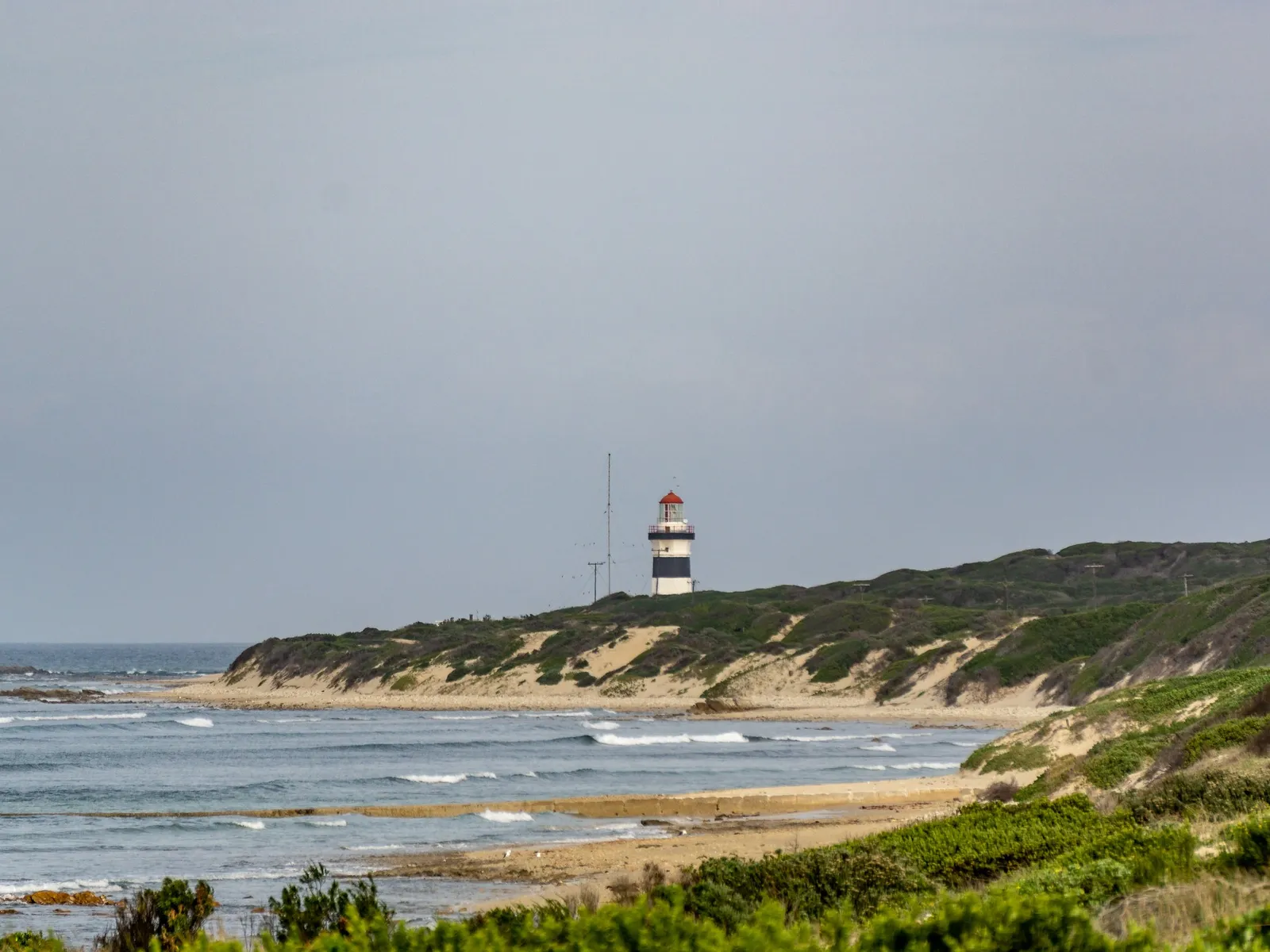
If you want an outdoor walk built around shore and dune, Cape Recife Nature Reserve has a circular walking trail past beaches, dune vegetation and a lighthouse built in 1851. Entry needs a permit from Pine Lodge Resort at the entrance. Check conditions and choose two viewpoints and a turnaround before you leave.
Leave the trail for another day if a South End account needs your attention for longer. Check museum access and the approach to your chosen trail marker separately.
Plan Cape Recife around weather and trail conditions; the reserve recommends visiting in daylight hours. A short outing with two clear views is enough for that visit.
3 experiences.
Choose two positions on a short stretch of the reserve’s trail and see how the coast changes with your angle.
Pair a marker you can read in public with local interpretation and consider whose history each one gives you.
See what apartheid-era forced removal changed for one household or community through records presented by the museum.
Short notes from readers who have been. They are readers' own words and experiences: we review each one before it appears, but we don't check the details, and we don't edit them.
No notes yet for Gqeberha.
Been? Sign in to add a note.

