See Japan by ship, with enough time for the places ashore
Choose a Japan cruise by its actual ports, shore time and days at sea, rather than treating destination labels as city-centre arrivals.

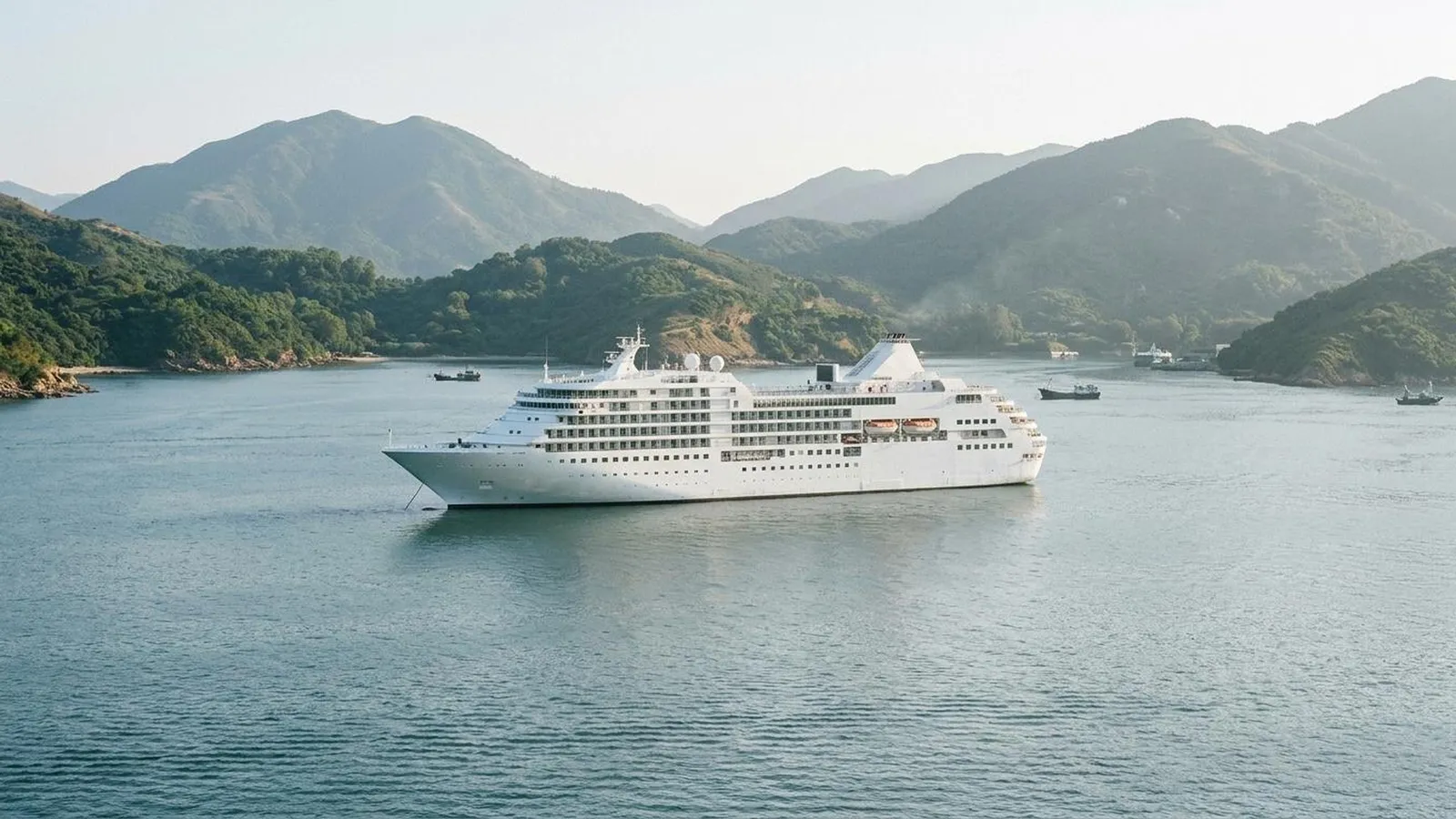
A Japan cruise can give several days a pleasing continuity: return to the same cabin, leave one port behind and wake with another place ahead. The question is whether the time ashore lets you do the things that made Japan a bucket-list idea in the first place.
Start with two or three experiences you would particularly like. Then test the itinerary against them, rather than choosing the longest list of Japanese place names.
Read the name in brackets
Princess’s published Japan programme provides useful examples: Yokohama appears alongside Tokyo, while Kobe, Osaka and Maizuru are presented as gateways for Kyoto. The map is a programme overview, not a promise that a city’s principal sights sit beside every terminal. Published programme.
That distinction matters when choosing an experience ashore. A port call with a famous city name attached may involve a separate journey before the visit really begins.
For each must-do, identify the actual port and terminal, the route to your destination, opening arrangements and the time you need to be back. Do that with the current sailing information, not only the brochure map.
Compare two ways of spending a port day
Suppose your interest is a specific Kyoto garden or a craft activity that deserves an unhurried appointment. One option is an organised excursion from a port call. Another is giving Kyoto land days before or after the voyage, if your travel plan allows it.
The first can package the transport and visit together. The second may give you more control over when and how long you stay. Neither can be judged from the number of port hours alone.
Or you might choose to spend the day closer to where the ship docks, taking an interest in the port city itself. That can be a deliberate experience rather than a substitute for failing to reach somewhere more famous.
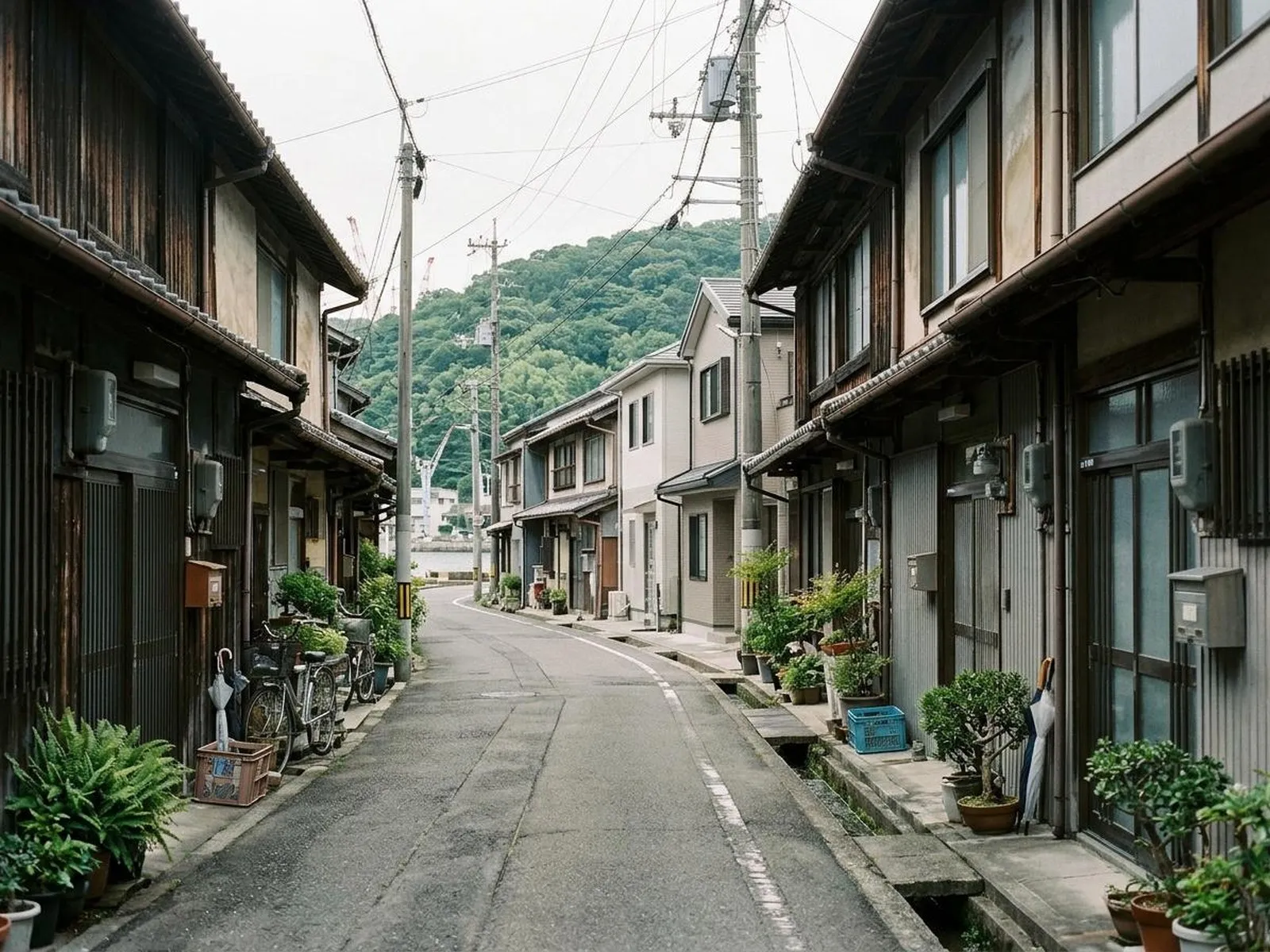
Ask what the voyage gives you between ports
Days at sea are part of a cruise, not empty squares to overlook while comparing destinations. Consider whether you enjoy having a day without organising travel, and what you want from the ship during that time.
Likewise, a succession of early departures and full excursion days can become demanding despite returning to the same bed. Read the sequence of the voyage as well as each attractive individual stop.
For companions, compare which days you want to share and whether any independent plans are practical under the booking and port arrangements. A shared cabin does not require identical interests ashore.
Keep seasonal ambitions separate from guarantees
A cruise promoted around spring or autumn does not control blossom, foliage, visibility or the exact conditions at a particular place. If a natural phenomenon is the sole reason for travelling, ask how much flexibility the itinerary really gives you.
You can still enjoy a seasonal journey. Build in other experiences you value and distinguish an announced festival call from guaranteed participation in a specific event or a clear view from the ship.
Treat the operator’s current itinerary and excursion conditions as the governing information. A programme brochure helps you choose what to investigate; it is not a substitute for the live departure details.
Leave room for Japan beyond the cruise
Choose a little land time where it adds most. It might be at embarkation, to avoid making the first day depend on a just-in-time flight arrival, or afterward, to stay with an interest you discovered ashore.
Budget for that time and for the transport attached to your shore plans. An appealing cruise fare does not answer what it costs to experience the places you want.
The best fit is a voyage whose movement, shipboard days and visits all appeal to you. Japan is more than a sequence of ports, but a thoughtfully chosen sequence can become one rewarding way to encounter it.