Make the train to Machu Picchu part of the occasion
Consider Hiram Bingham for the dining, music and journey as well as the arrival—and check exactly which visit your package includes.

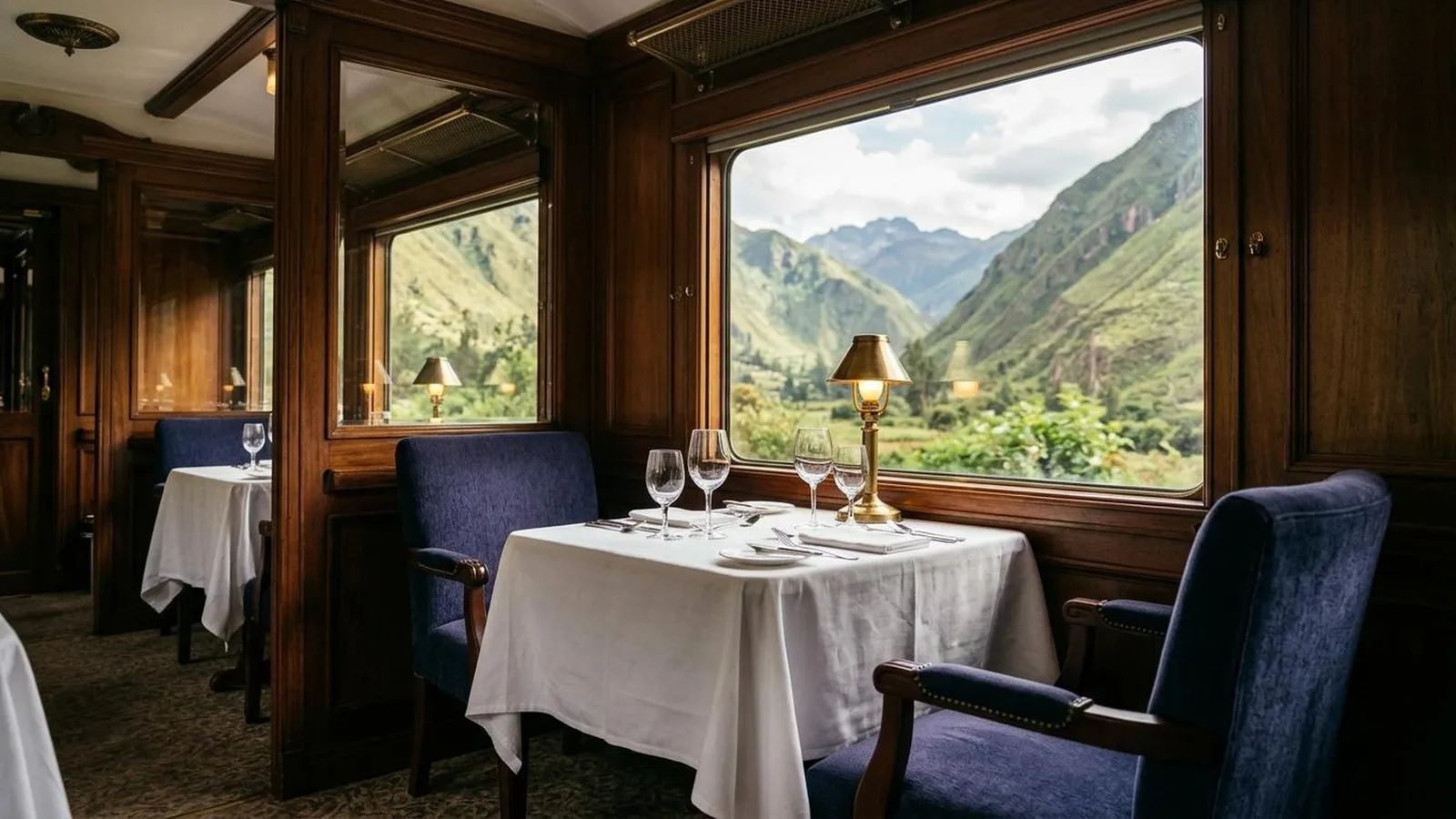
Lunch at a properly laid table, the valley moving past the window, music somewhere farther down the carriage: the journey to Machu Picchu can be one of the experiences you came to Peru for. Hiram Bingham makes sense when that time aboard genuinely appeals, alongside the site at the end.
It is a particular kind of railway occasion. Decide whether you want the meal, setting and company enough to give them a meaningful part of the day and budget.
Imagine the journey before comparing the packages
Belmond describes dining, live music and an observation carriage, with several journey directions and starting points. Its Cusco-to-Machu-Picchu product describes brunch, a guided citadel visit and time at Sanctuary Lodge. Those details belong to that named product; check the inclusions attached to the journey you select. The outward journey.
Picture yourself spending some of the journey looking out, some over a meal and some talking. If that sounds like the trip beginning rather than an elaborate way to reach it, the train has a reason to be on your list.
A companion might care much more about archaeological time. Compare those interests before choosing the most expensive option for both of you.
Decide whether one direction is enough
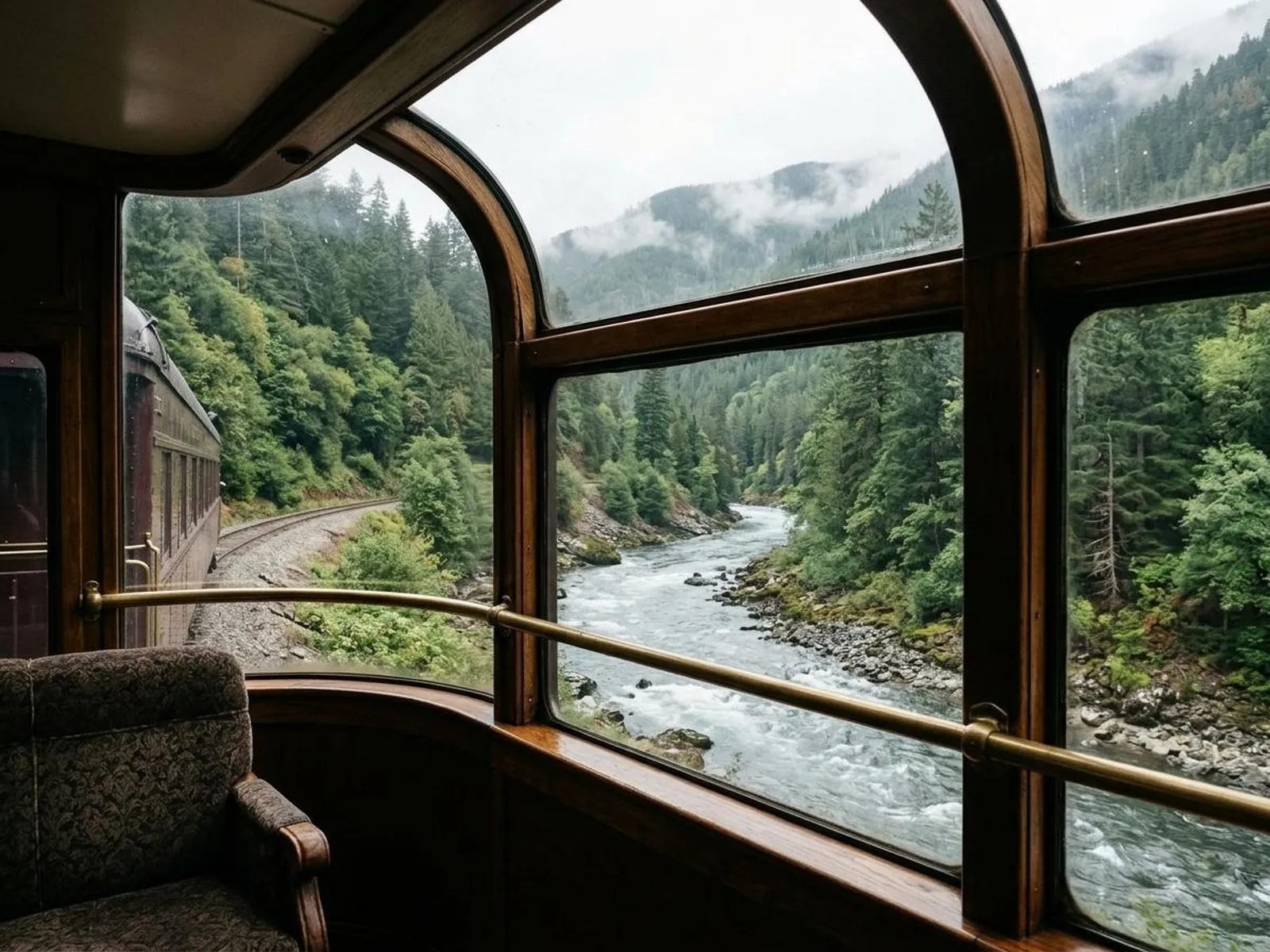
An outward journey and a return can feel different. On the way there you may be anticipating the site; afterward you may want a meal and time to talk about what you saw. Look at the actual dining and entertainment programme in each direction.
Consider a one-way premium journey if that is the part you would value. Then establish how the other leg works, where you will sleep and who is responsible for each connection. A mixed itinerary needs to fit together as carefully as a package.
For two travellers, a useful comparison is the complete day on Hiram Bingham against an ordinary train with more independent time. Ask what the additional spending buys that each of you actually wants.
Keep the train ticket and the citadel visit distinct
Machu Picchu entry involves its own ticket, circuit and timing decisions. A package advertising a guided visit should still tell you which arrangements it provides. Do not infer a particular circuit or extra mountain walk from the train’s name.
Read our Machu Picchu guide alongside the rail product. If a particular part of the site is essential to you, resolve that before payment rather than assuming the premium journey guarantees it.
Likewise, ask about transfers, luggage and the meeting point. The relevant railway station may not be the place you loosely call Cusco on your hotel booking.
Give the day enough room
Belmond warns that railway timings are approximate and subject to change. Keep the operating information for your actual date and avoid a tight onward flight built around an ideal arrival.
Resolve access needs across the complete journey: getting into the train, moving aboard, transfers and the visit at the site. Comfort at a dining table does not establish what the archaeological route asks of you.
Leave some of the journey unscheduled. Look away from the camera, finish the meal and notice the landscape changing. If the train is on your bucket list, it deserves more attention than a photograph taken on the way to another item.