Read Doha’s Museum of Islamic Art from the waterfront and courtyard
Compare two permitted viewpoints to see how shade and the view of the city change your approach to the museum.

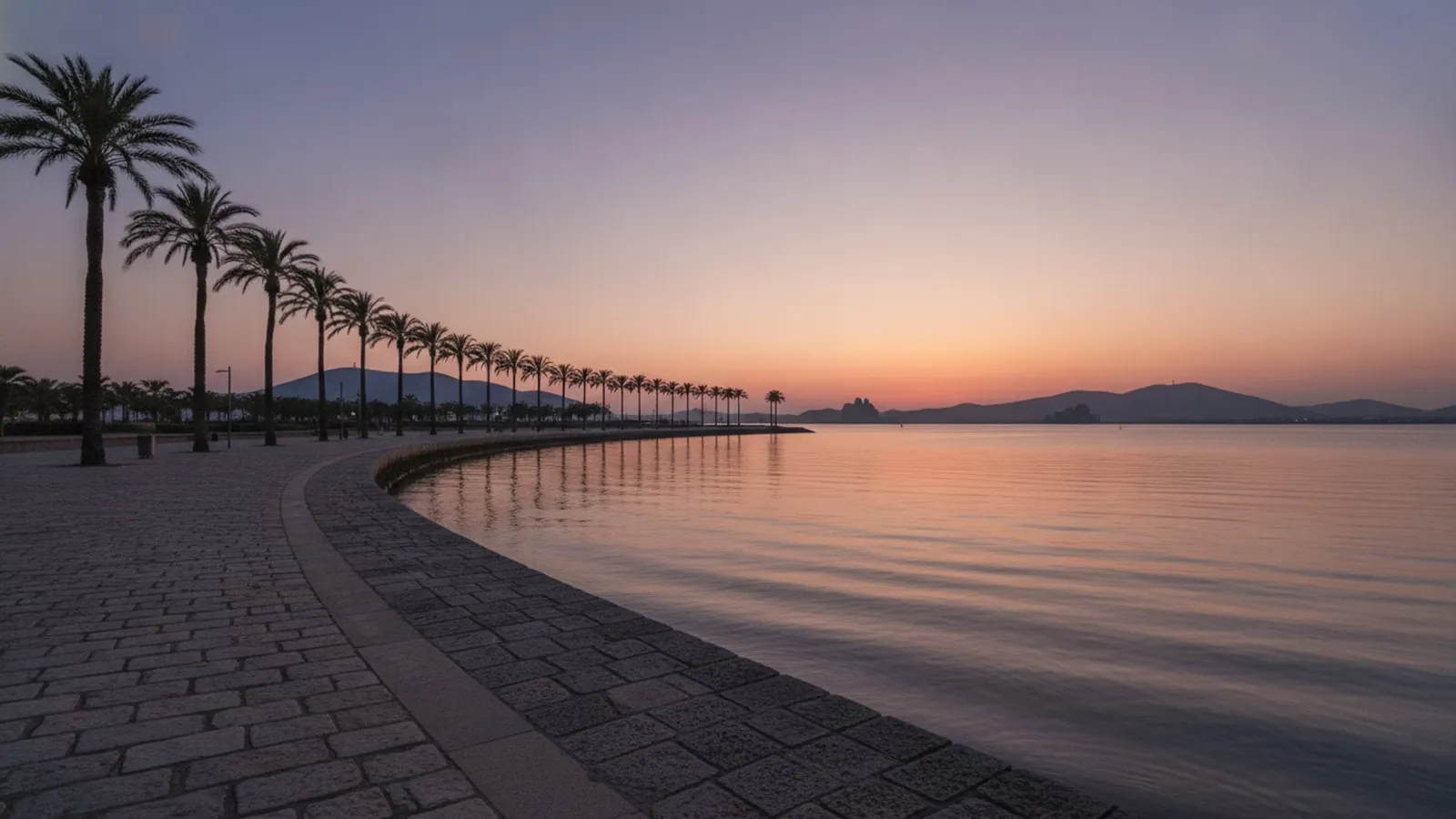
A building can present itself one way across the water and another once you stand near it. At Doha’s Museum of Islamic Art, use that difference to study the approach. Choose two public viewpoints whose access and conditions suit you. Look for what the architecture lets through and what it deliberately frames.
Check the spaces separately
The museum’s architecture page explains I. M. Pei’s design and its setting. Its large central courtyard links the main building with the education wing. The visitor information says MIA Park is open 24 hours, while the museum closes on Wednesdays and takes reserved tickets online. Parking is limited and closes during major events in the park. Ask the museum whether the courtyard is open to visitors on your date, and whether there are steps, exposed areas or a shorter sheltered choice. An open park or public walkway does not establish access to every part of the building.
Compare the framing from two allowed points
From a permitted waterfront viewpoint, notice how much sky and water surround the museum and where the city sits in relation to it. If you can access the courtyard or a second public point nearby, see which edges or openings limit the view. Notice the effect of shade on what takes your attention and where you can comfortably stop. One change in framing is enough to make the walk worthwhile.
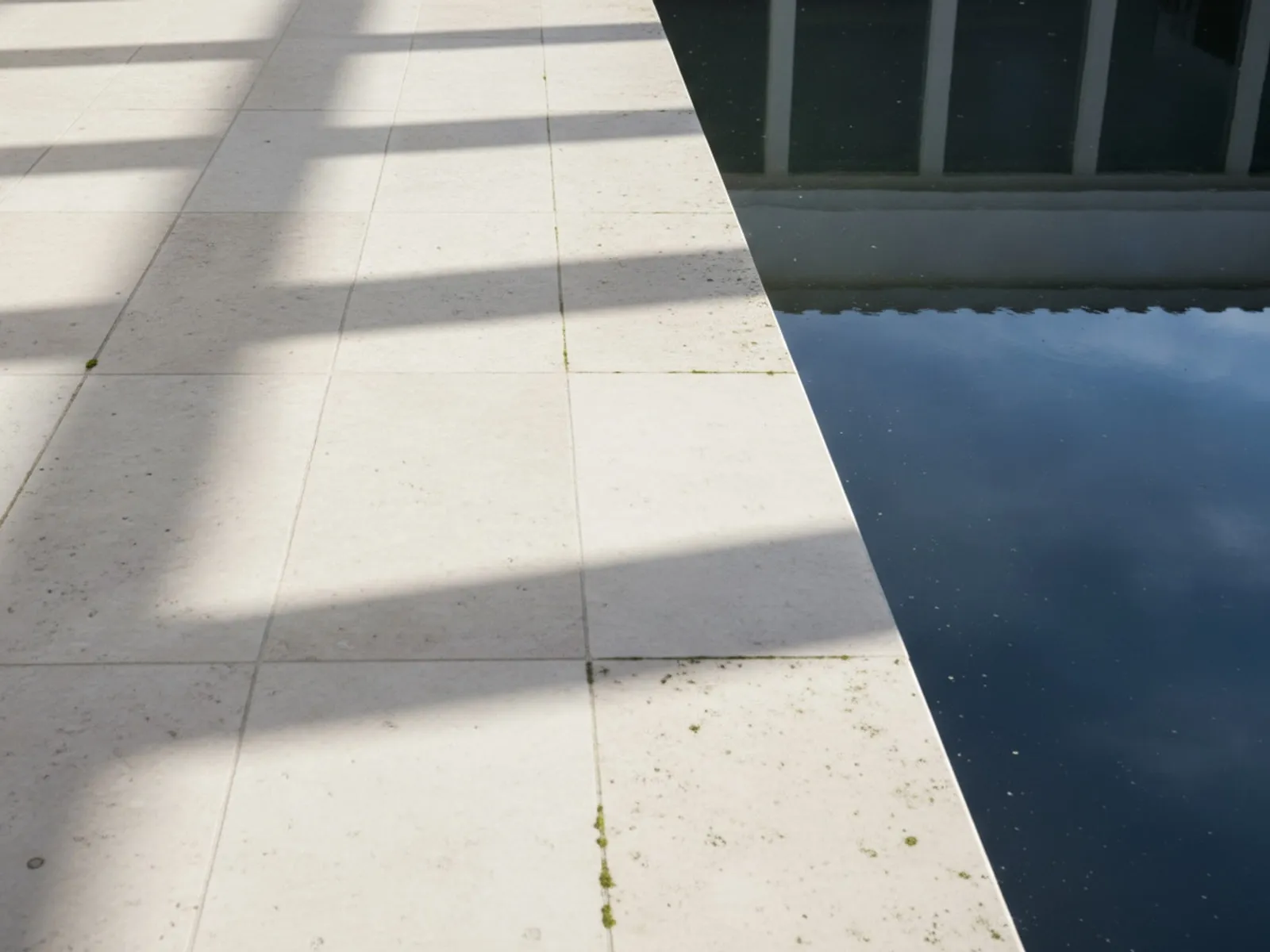
Use the museum’s own explanation to confirm anything about design you want to repeat. Your observation can tell you what a particular viewpoint did for you without establishing the architect’s reason for every detail. If outdoor exposure makes the second viewpoint impractical, use one sheltered official view and the published architecture photographs for the comparison. If you go inside, the visitor guidelines ask you to cover shoulders and knees and allow personal photographs in available light, without flash, tripods or selfie sticks.
Common questions
Can I do this without going into galleries? Use a verified public viewpoint and check the boundary between park and museum entry. A single outside look still works.
Will the light be the same each time? Expect it to vary with conditions. Choose the most comfortable public route on your day.
Sources
- Museum of Islamic Art architecture · checked 2026-11-24
- Museum of Islamic Art visitor guidance · checked 2026-11-24
- Museum of Islamic Art visitor guidelines · checked 2026-11-24