Choose a cultural performance you can follow without speaking the language
Check what the venue explains, choose a workable running time and pick one sound, movement or narrative cue to follow.

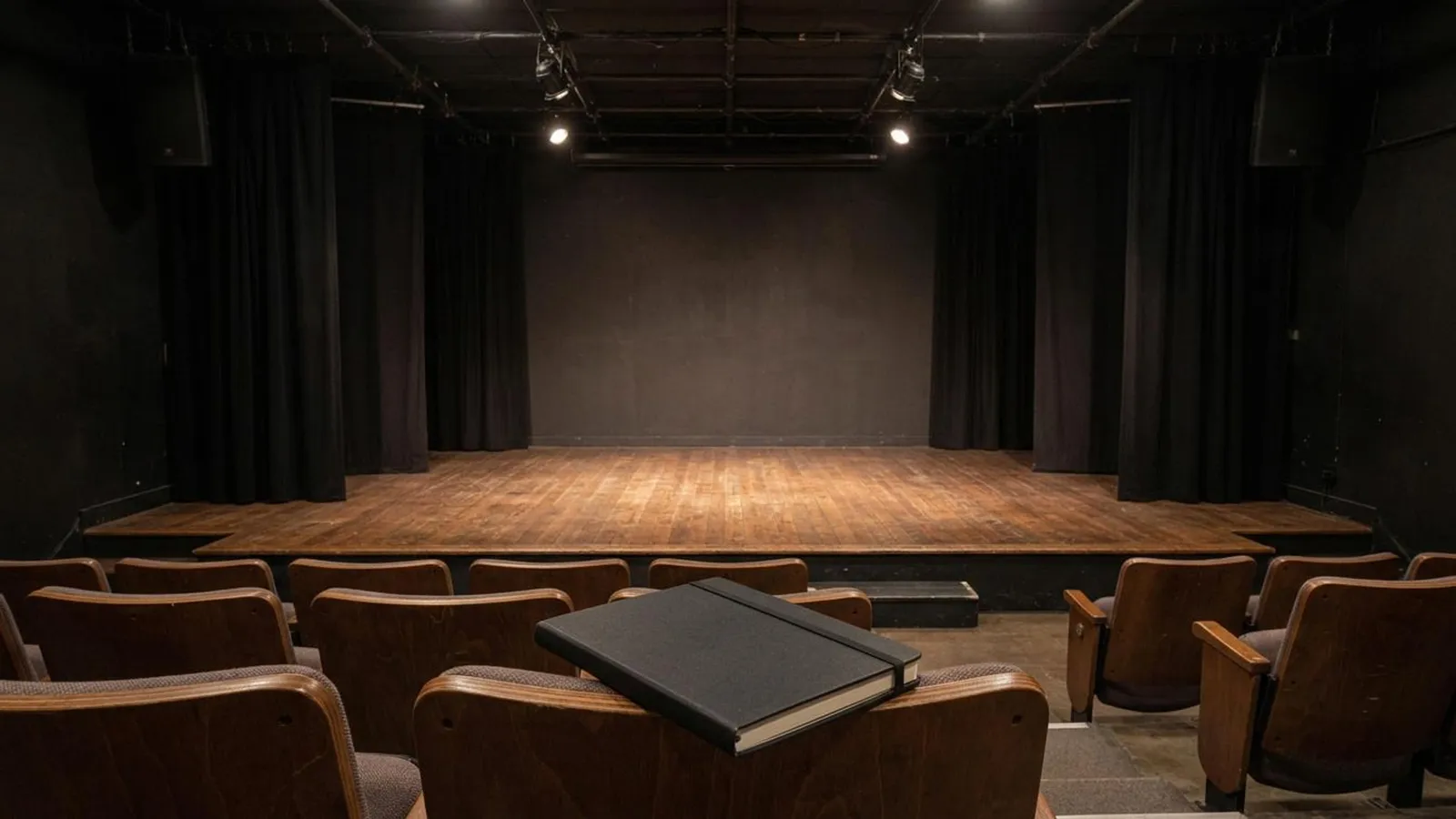
You can follow a performance without understanding every spoken line. Choose a format that gives you an entry point, then decide how much time and concentration you want to give it. A synopsis, an introduction or a clear cue in the room may be enough. Check what help is actually offered for the ticket you are considering.
Compare the support with the length
| What would help you | Look for | Verify |
|---|---|---|
| A simple account of the story | Synopsis, translated outline or subtitling | Language, how to get it and when it is available |
| Enough time to hear or watch closely | A well-defined act or shorter program | Actual running time, seat and entry conditions |
| A way to follow without reading | A spoken introduction or a visible cue | Where you sit and what the venue says it explains |
Museum Sonobudoyo’s events page lists evening wayang kulit, wayang orang and wayang topeng performances, so check it for what form and support are actually available on your date. Following one cue at a wayang performance shows how that can work. Kabuki Web’s single-act information and Bucketlist’s Kabukiza guide give a different example of choosing a smaller unit. For music without a spoken story, see hearing one piece at the National Gugak Center. Confirm actual guidance, language and ticket rules for the specific date.
Choose one cue you can carry into the room
Use the program to pick something you can notice, such as the music that accompanies a stage entrance or a change in a performer’s movement. Look for it once, then watch what it prepares you to see next. Keep audience etiquette, recording and leaving early within the venue’s published rules. A short experience can be complete even if you follow only one section closely.

Common questions
Should I study the whole story beforehand? A brief outline and your one cue are sufficient if that is what makes you comfortable entering the room.
Sources
- Museum Sonobudoyo events · checked 2026-11-24
- Kabuki Web on single-act tickets · checked 2026-11-24
- Bucketlist’s Kabukiza single-act visit · checked 2026-11-24