Follow one plant story through Cambridge University Botanic Garden
A themed walk at Cambridge University Botanic Garden turns plant labels and living specimens into a small investigation rather than a garden checklist.

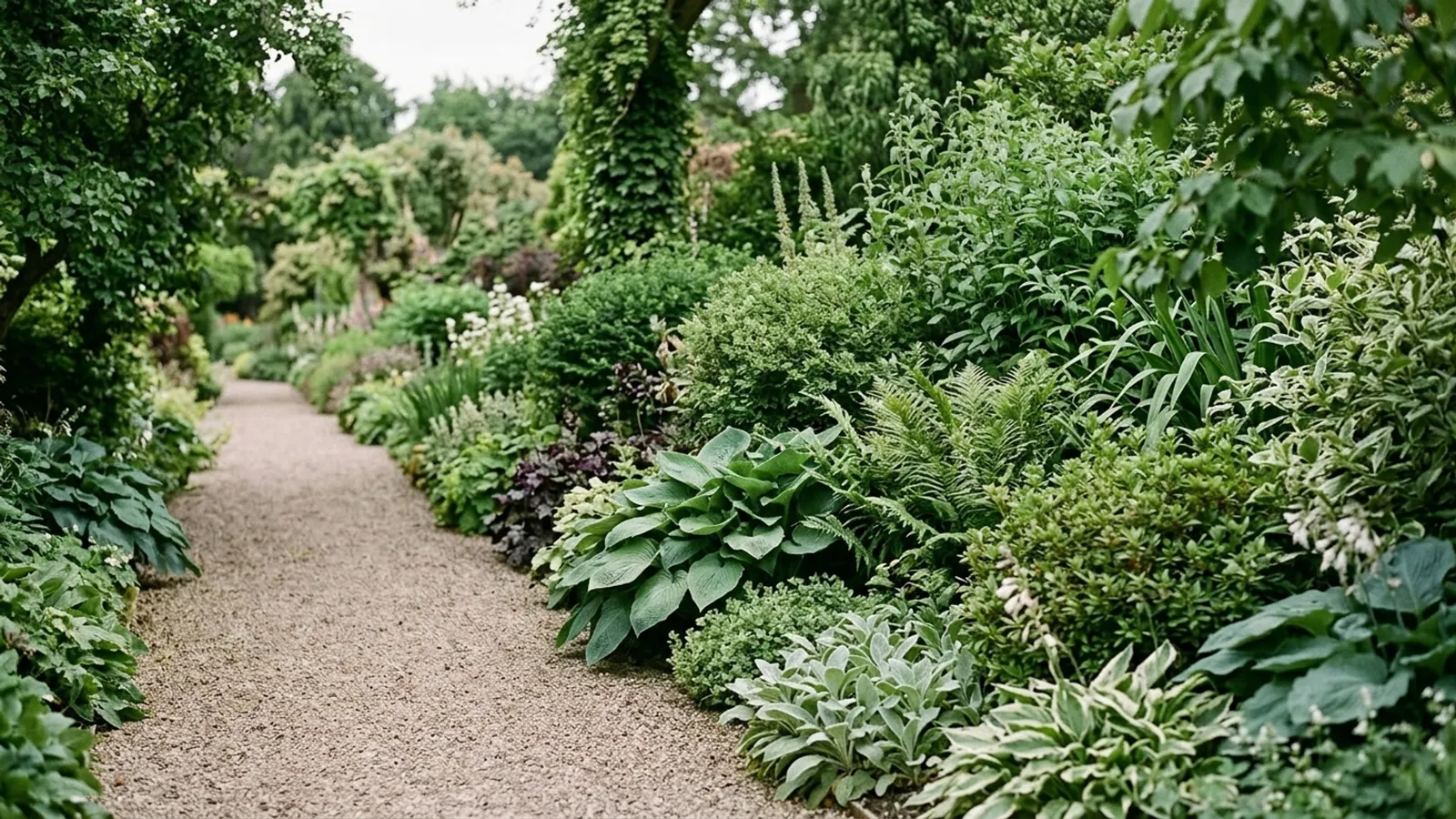
A botanic garden can become a blur of attractive plants if every bed is treated as another thing to see. At Cambridge University Botanic Garden, a more memorable approach is to follow one story: how plants inspire design, produce color or cope with a particular environment.
You do not need a background in botany. The aim is to leave knowing something about a few plants that you did not notice before. An unhurried visit with a question is often more satisfying than trying to cover every path.
Choose a question before a route
The Garden offers adult trails covering subjects including plant dyes, evolution, climate change and design. Trail leaflets are available at the ticket offices, with online versions too. The Garden warns that some plants are seasonal or temporarily removed from display, so treat a trail as a way to explore rather than a guaranteed set of specimens.
Choose the theme that actually interests you. If you like making things, look at materials and design. If you are a gardener, follow a question about form or seasonal change. If the visit is part of a wider Cambridge day, a single theme gives it a manageable shape.
Leave room for changing your mind. If the first stop is especially interesting, spend longer there and do fewer stops. Finishing the leaflet is not the achievement.
Let one label change what you see
The Garden’s guide to plant labels explains that labels connect a plant to its collection record through an accession number. They also identify its botanical name, family and distribution. That turns a label into more than a small vocabulary test.
Pick one plant, read the label and look again. Does knowing where it occurs make you reconsider its shape? Does its family connect it to a plant you recognize? You are forming a question, not diagnosing an adaptation from appearance alone.
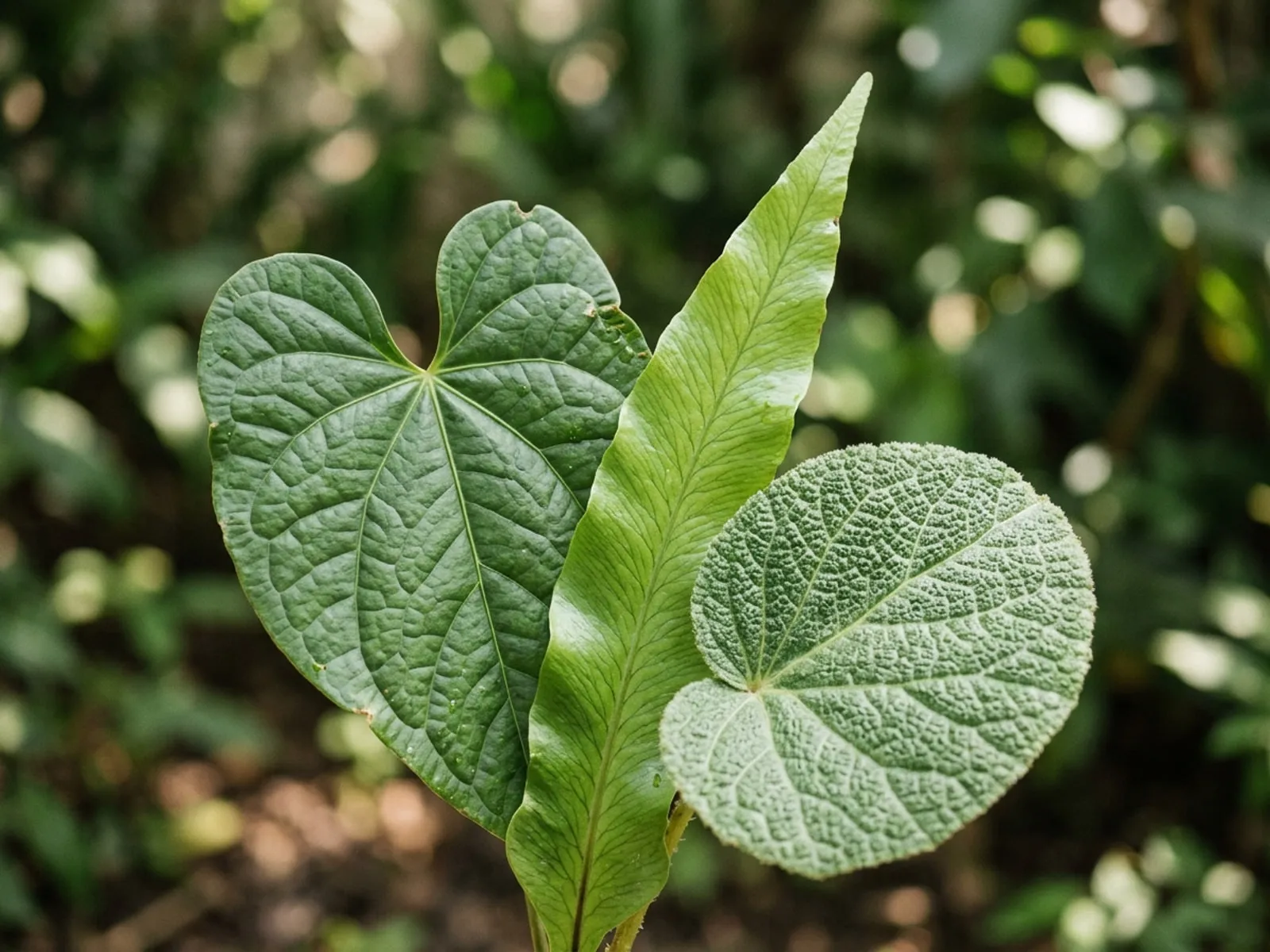
A useful note might be: “I expected these two plants to be related because their leaves looked alike; the labels put them in different families.” That is an invented observation example, not a report of a particular pair currently on display. It shows how uncertainty can make a visit interesting.
Use the glasshouses as part of the story
The glasshouses are an option within the wider visit, rather than a reason to rush past everything outside. Consider how the setting changes the way you look: a leaf seen against a densely planted background may be harder to isolate than one beside an outdoor path.
Check their own closing time. The Garden’s FAQ says the Glasshouse Range closes 30 minutes before the Garden. Arriving shortly before the main closing time is therefore a poor plan if the indoor collection is important to you.
Access also needs a specific check. The accessibility page identifies narrow paths and corridors in the heritage Glasshouse Range and bark paths in the Tropics House that are not suitable for wheelchairs and mobility scooters. That is more useful than assuming that a mostly step-free outdoor garden means every indoor route will suit every visitor.
Make a comfortable, realistic visit
Read the current visitor information for admission and seasonal hours. As checked November 17, 2026, the Garden lists a Christmas closure from December 24, 2026 through January 1, 2027 inclusive. It welcomes walk-up visitors as well as advance ticket purchases. This guide quotes no live ticket price.
Choose an arrival time that leaves room to stop, sit and change direction. A short winter day calls for a different plan from a long summer afternoon. Neither requires a prediction about which flower will be at its best on your date.
For a hypothetical visit, you might give the first part of the outing to a trail, spend a quieter interval looking at one plant and then decide whether to add the glasshouses. That sequence is an editorial suggestion, not a venue-prescribed itinerary. It allows the visit to respond to weather and interest.
If a particular plant or glasshouse is essential, ask about it before traveling. A collection changes as it is cared for. A photograph of a display from a previous year is not evidence that it will look the same now.
Bring the question home
The lasting part of the visit may be an ordinary plant that becomes less ordinary afterward. You could look for its family in a local garden, draw the leaf shape from a permitted photograph or read a little more about the theme you chose.
Keep the follow-up small. “Learn why one plant has this name” is a better continuation than a resolution to master botany. If you enjoy that approach, a local nature field journal gives it a repeatable format.
Cambridge also offers a different kind of focused looking at the Fitzwilliam Museum. One garden theme and one museum object can make a fuller day than collecting a long list of landmarks. Use Cambridge’s place page to fit the experiences into the wider city.
Common questions
Is this only for knowledgeable gardeners? No specialist knowledge is needed to choose a question, read the interpretation and compare what you see. The self-directed approach is about attention rather than expertise.
Can I assume every plant on a trail will be visible? No. The Garden expressly notes seasonal visibility and temporary collection changes. Have a second theme or an open-ended walk available.
Should I leave the glasshouses until the very end? Only if their separate hours allow it. They close earlier than the Garden, and current notices may change access further.
Sources checked November 17, 2026: visiting and seasonal closures; adult trails; plant labels; Garden FAQs; accessibility.