Try motorcycling through a proper first training course
Explore a long-held interest in riding through instruction, without treating a first course as a road-trip qualification.

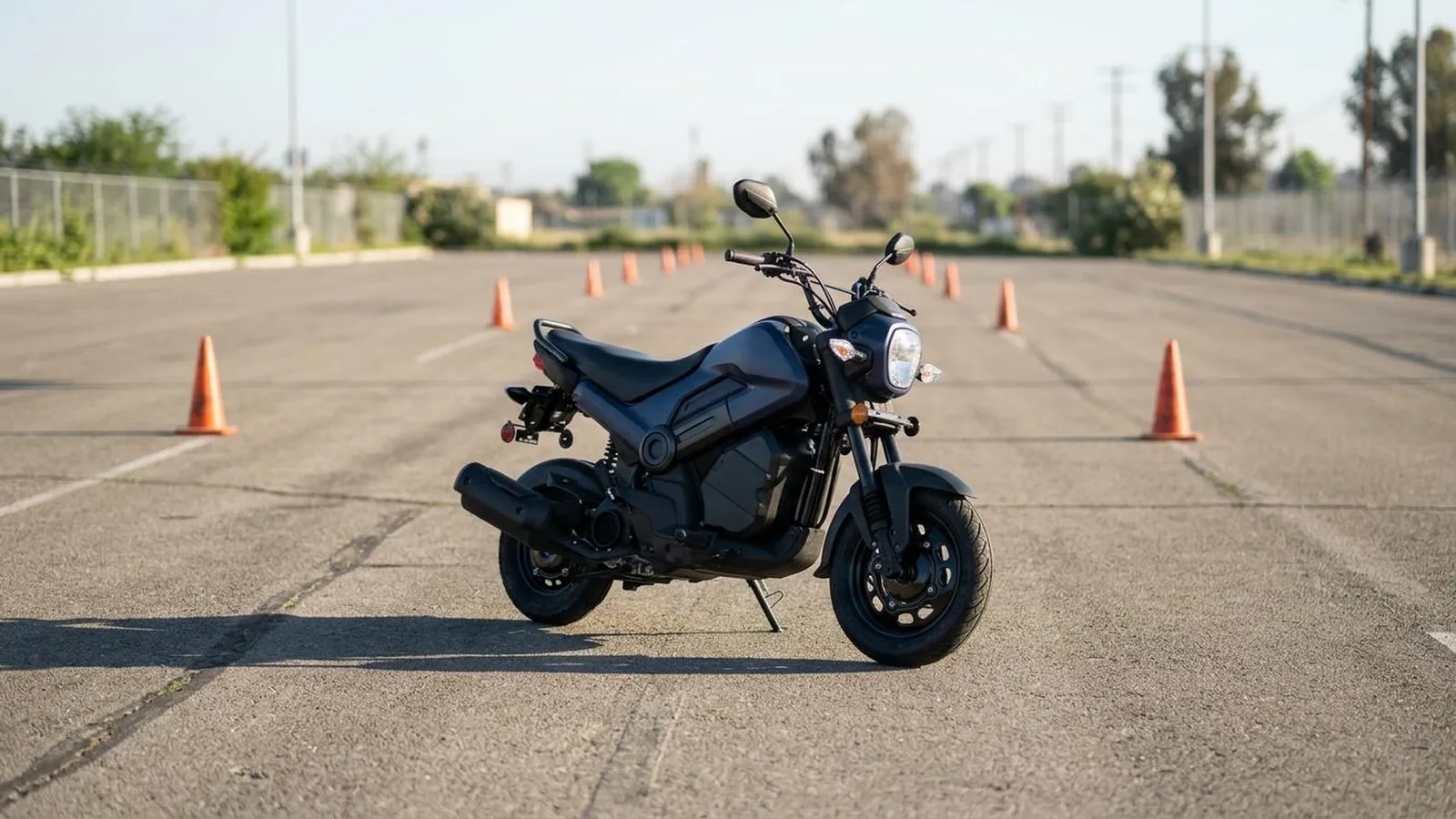
Perhaps the motorcycle on your bucket list is really a question: would I enjoy learning to ride one? You can explore that through a training course, before imagining a touring bike, a mountain road or an expensive purchase.
For a California-based beginner, the California Motorcyclist Safety Program gives the idea a specific starting point. The experience is learning under instruction and finding out how that feels.
Choose the learning experience first
The California Highway Patrol describes the standard Motorcyclist Training Course as fifteen hours: five in the classroom and ten of riding instruction. It also describes a longer Premier programme, so check which course a provider is offering rather than using the names interchangeably. CHP programme information.
Look at how the sessions are arranged and whether the course is intended for your level. Ask what a person with no riding experience needs to do before arriving.
The first achievement can be modest and real: attending the instruction, understanding something unfamiliar and learning whether you want to continue.
Ask about the motorcycle and equipment
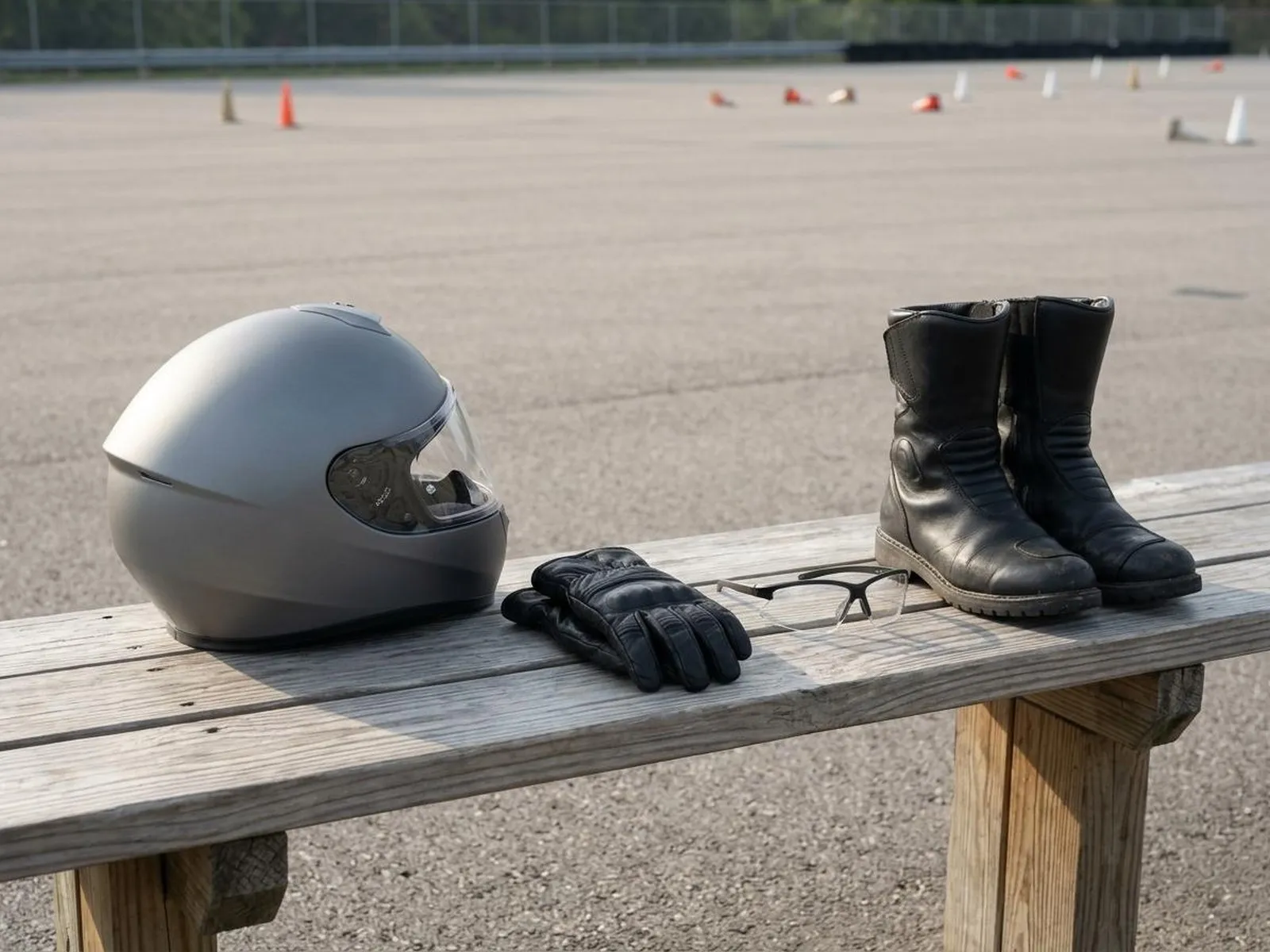
The CMSP new-rider page says a training motorcycle and DOT-approved helmet are provided, while students bring the required clothing and other protective equipment. Bay Area Motorcycle Training publishes its own detailed beginner preparation list, illustrating why you should read the instructions for your actual school. CMSP preparation · School example.
Confirm the clothing, footwear, gloves and eye protection requirements directly with the site before attending.
Discuss participant prerequisites directly, including any skill, physical or administrative requirements. If something may affect your participation, resolve it before you book the weekend around the course.
That conversation is useful even if the answer is that this is not the right programme for you. A training description cannot establish your individual suitability from a distance.
Leave room to be a beginner
You may be comfortable learning difficult things at work and still dislike being new at a physical skill. Let the instructor set the pace, and ask for clarification when you need it.
Treat the practice environment as the place to learn from the person responsible for it. This article is not a set of riding instructions, and a video you watched beforehand should not overrule the course’s directions.
If attending with a friend, agree that you do not have to progress identically. Encouragement is useful; pressure to continue because the other person enjoys it is not.
Separate the course from permission to ride on the road
Training, successful completion and the relevant licensing steps are distinct questions. Use the provider’s instructions and California DMV’s motorcycle-licensing information to establish what your situation requires, rather than treating an attendance booking as a licence or a guarantee of passing.
The same separation applies to confidence. Enjoying a first course does not establish readiness for a rental motorcycle, unfamiliar traffic or a long touring route.
You can decide on another lesson or further training afterward. There is no need to convert an interesting weekend into an immediate vehicle purchase.
Decide what you learned about yourself
Give yourself a little time after the course before answering whether motorcycling belongs in your future. What appealed: the concentration, the machine, the movement or the satisfaction of learning?
Maybe you want to keep going. Maybe you enjoyed finding out and prefer another way to travel. Both can be worthwhile outcomes from an experience chosen to answer a real question.
Our first craft-workshop guide explores a different skill with the same permission to be a beginner. Here, let the instruction and your own response determine the next step.
Sources
California Highway Patrol official programme description