Read Roman Bath through water and everyday life
Explore the Roman Baths in Bath through the practical and social uses of water.

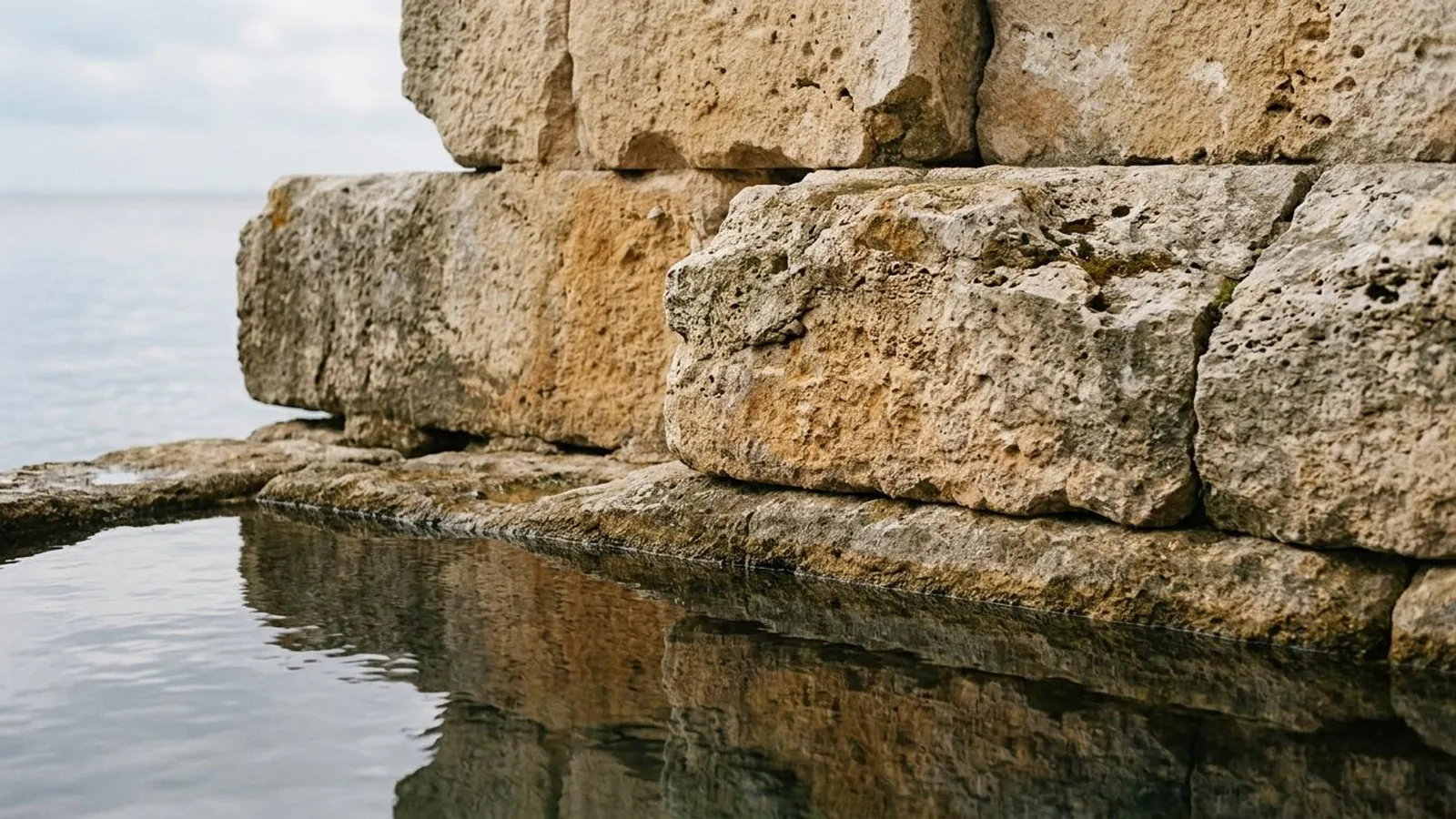
The Roman Baths are more interesting when you arrive with a question than when you arrive needing one familiar photograph. Try this one: how did water help shape daily life, belief and the use of a shared place?
The site’s official walkthrough describes the Sacred Spring, the Roman Temple, the bath house and finds from Roman Bath. Those different parts allow a visit that looks beyond the outline of the Great Bath. Official walkthrough.
Follow the water, then the people
Begin by noticing how the interpretation connects water with the wider site. Where is it practical? Where does it carry religious or social meaning? You do not have to answer those questions before entering; they are a way to pay attention.
Then look for the people behind the setting. Who used it, worked around it or left something behind? Let the interpretation establish what is known. Avoid turning a modern assumption about leisure, hygiene or status into a confident claim about every Roman visitor.
One carefully understood object can do more than a dozen hurried photographs. Choose something from the finds or interpretation and ask how it changes the picture you had when you arrived.
Give yourself a second look
After following the route, pause at a suitable point and reconsider your first impression. Has the place become a building, a system or a social setting? The answer may be a mixture.
Travelling with another person gives you an easy exercise: each describe one detail the other missed. There is no need to agree about what matters most. If one of you is more interested in engineering and the other in everyday life, the visit can accommodate both interests without becoming two separate trips.
Keep notes brief. A sentence about one question you now want to investigate is enough. The aim is not to transcribe the exhibition.
Plan the actual visit
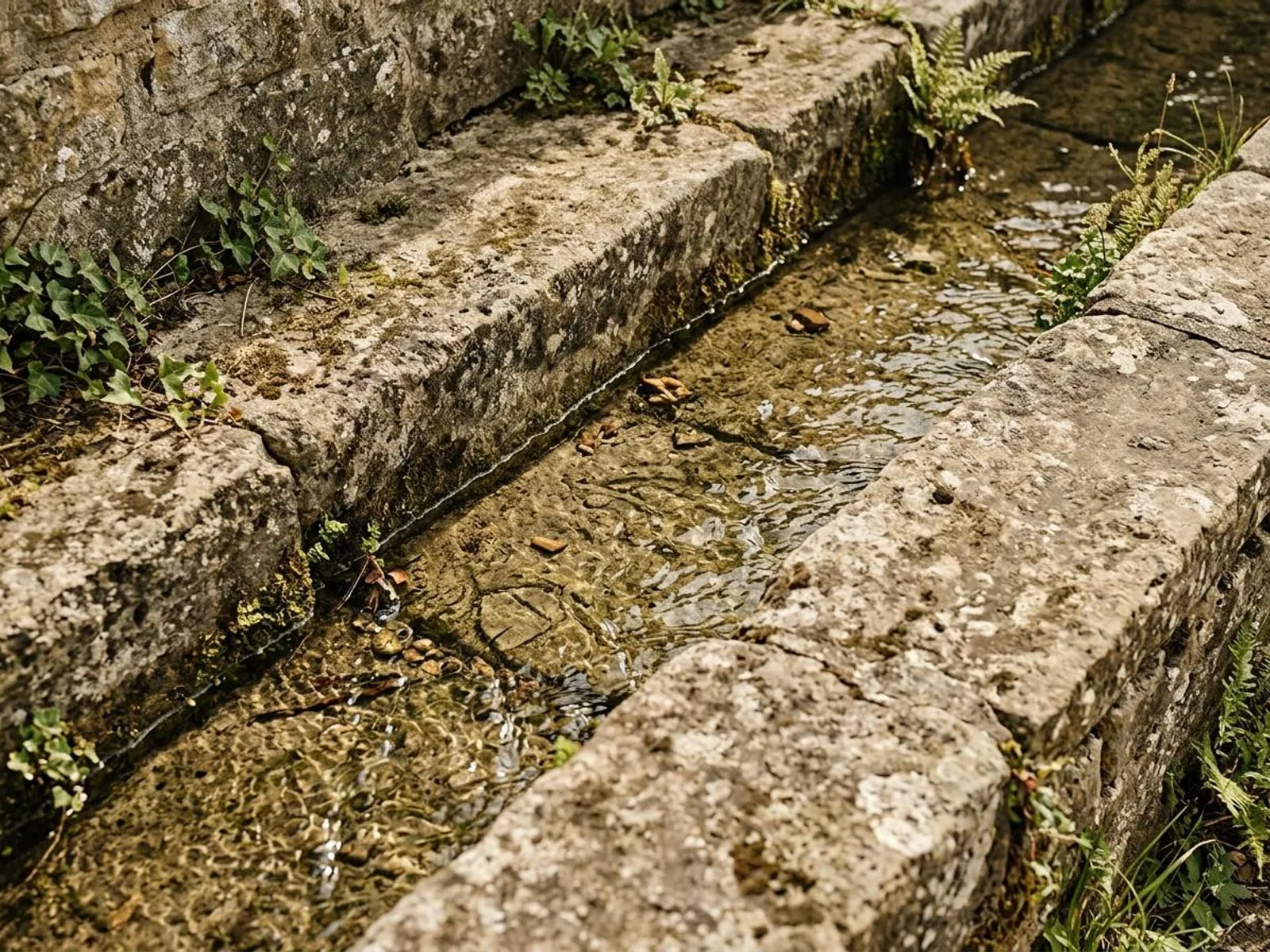
Use the venue’s current visitor page for tickets, entry arrangements, access information and bag restrictions. Do not assume a historic site has the same surfaces, routes or facilities as a modern museum. Check the route relevant to your needs before buying. Official visit information.
A timed visit also needs time around it. Leave space to get there, deal with belongings and arrive without rushing. If you are combining it with rail travel, a late arrival should not make an inflexible attraction booking the first test of the holiday.
This is a visit to a historic site. If bathing or a modern spa experience is what you want, research that separately rather than treating the name as a description of the activity you have booked.
Leave Bath with a better question
You might leave interested in water systems, religious practice or how a modern city presents its past. That is a useful outcome even if you cannot remember every date.
For the broader journey, Railway Reviews’ UK ticket guide helps with the transport decision. Keep the museum visit and the train purchase as related but separate parts of the plan.