Cook a Jordanian meal at Beit Sitti in Amman
Consider an Amman cook-and-dine session around the participation and meal you want, with current travel and visitor arrangements checked first.

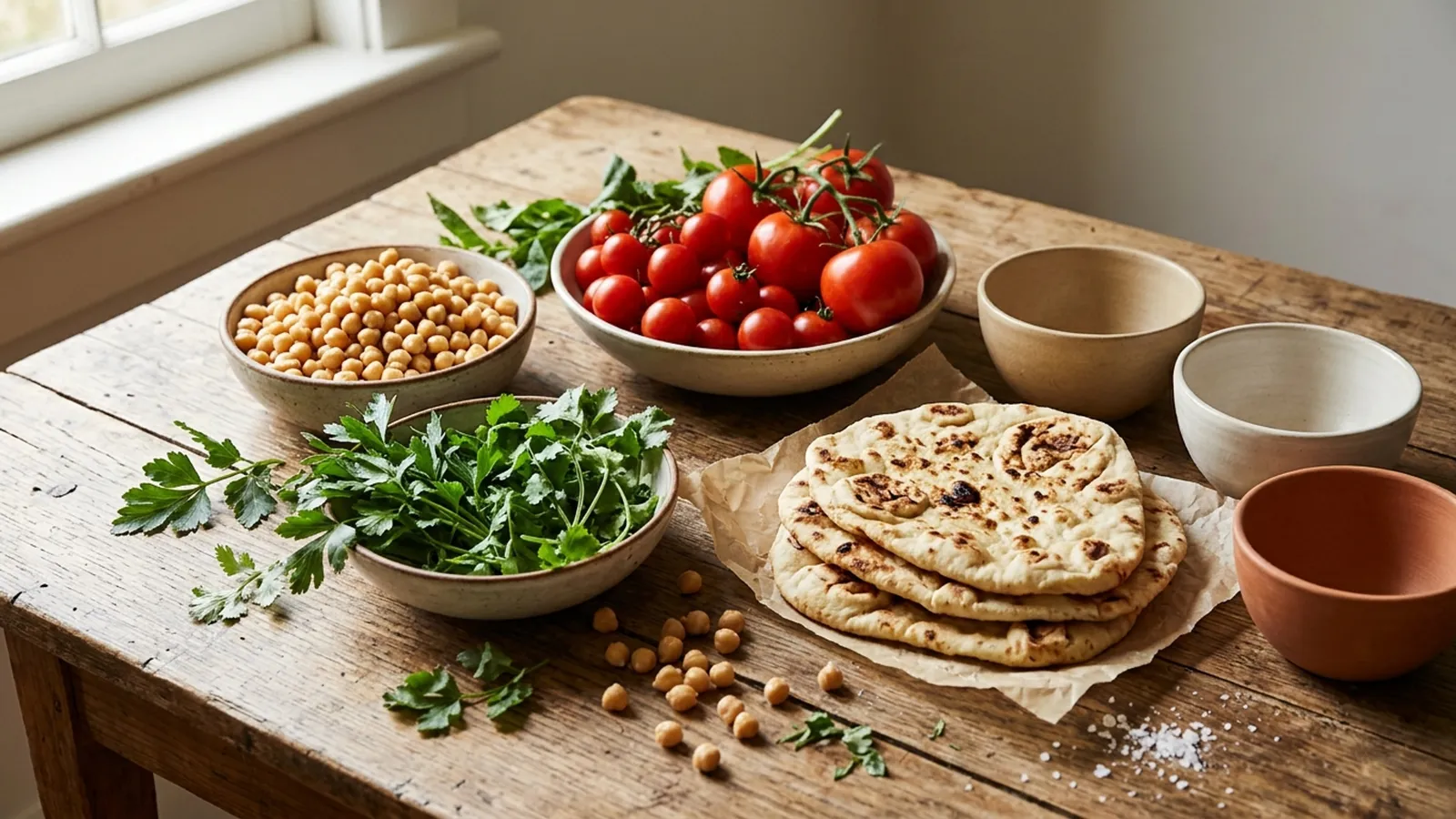
Preparing a meal can make a place more memorable than ordering one. You handle ingredients, follow a method and sit down with something whose preparation you now understand a little better.
Beit Sitti in Amman offers a specific cook-and-dine experience to consider. This is a researched introduction to the format, not a recommendation to travel now: the US State Department’s Jordan advisory, as last checked for this draft, lists Jordan at Level 3, reconsider travel, with stricter do-not-travel advice for some border areas. Current safety advice, transport and the operator’s arrangements must be checked before making commitments. US Jordan travel advisory
Make cooking the activity, not just the setting
The operator describes preparing Arabic food in its grandmother’s former home in Amman, with a shared meal as part of the experience. Its cook-and-dine page distinguishes morning and afternoon formats rather than one identical session offered all day. Beit Sitti’s introduction · Cook and dine
Decide what attracts you: learning a method, understanding ingredients, preparing a familiar dish differently or sharing the resulting meal. That helps you choose a suitable session and ask useful questions before reserving.
Do not assume a class is a complete account of Jordanian cooking. It is one hosted experience and one menu. The value can lie in learning a small part well rather than trying to turn a few hours into mastery.
Choose the session before choosing the rest of the day
The published page describes a morning breakfast session and an afternoon cooking class followed by a four-course meal, each with a group-session price. Treat those prices as a guide rather than a current quote, and obtain the exact session, inclusions and final price through the operator’s booking route. Session descriptions
Ask whether the booking is shared or private, how long it takes, how much of the preparation guests perform and when the meal is served. Check whether the description applies to your chosen date and party, not merely to the experience in general.
Leave enough time for arrival and the meal. A class followed by a hasty exit to meet another booking can miss much of the point.
Ask the practical questions before paying
Describe dietary restrictions or allergies clearly and seek a specific response. A menu description does not establish that a shared kitchen can prevent cross-contact or prepare every substitution. Do not infer a dietary guarantee from a dish name.
Ask about access to the space, seating, stairs, standing time, toilets and any task that matters to your participation. Neither the home setting nor the word “hands-on” answers those questions.
Check cancellation and payment arrangements as well. The reservations page has a booking calendar, and the site lists phone and email contacts; the research did not check available dates or find complete cancellation terms. Save the agreed conditions with the confirmation. Reservations and contact
Learn one thing you could use again
During the class, choose a small learning goal: recognizing a texture, understanding a spice combination or noticing when the preparation moves from one stage to another.
Ask before photographing people or recording an explanation. A hosted class is not permission to turn the room and its participants into content. A few notes in your own words may be more useful for the next time you cook.
Afterward, choose one dish or technique to try at home. You may need to adjust for the ingredients and equipment you can obtain; that is part of learning rather than proof that you have reproduced the experience exactly.
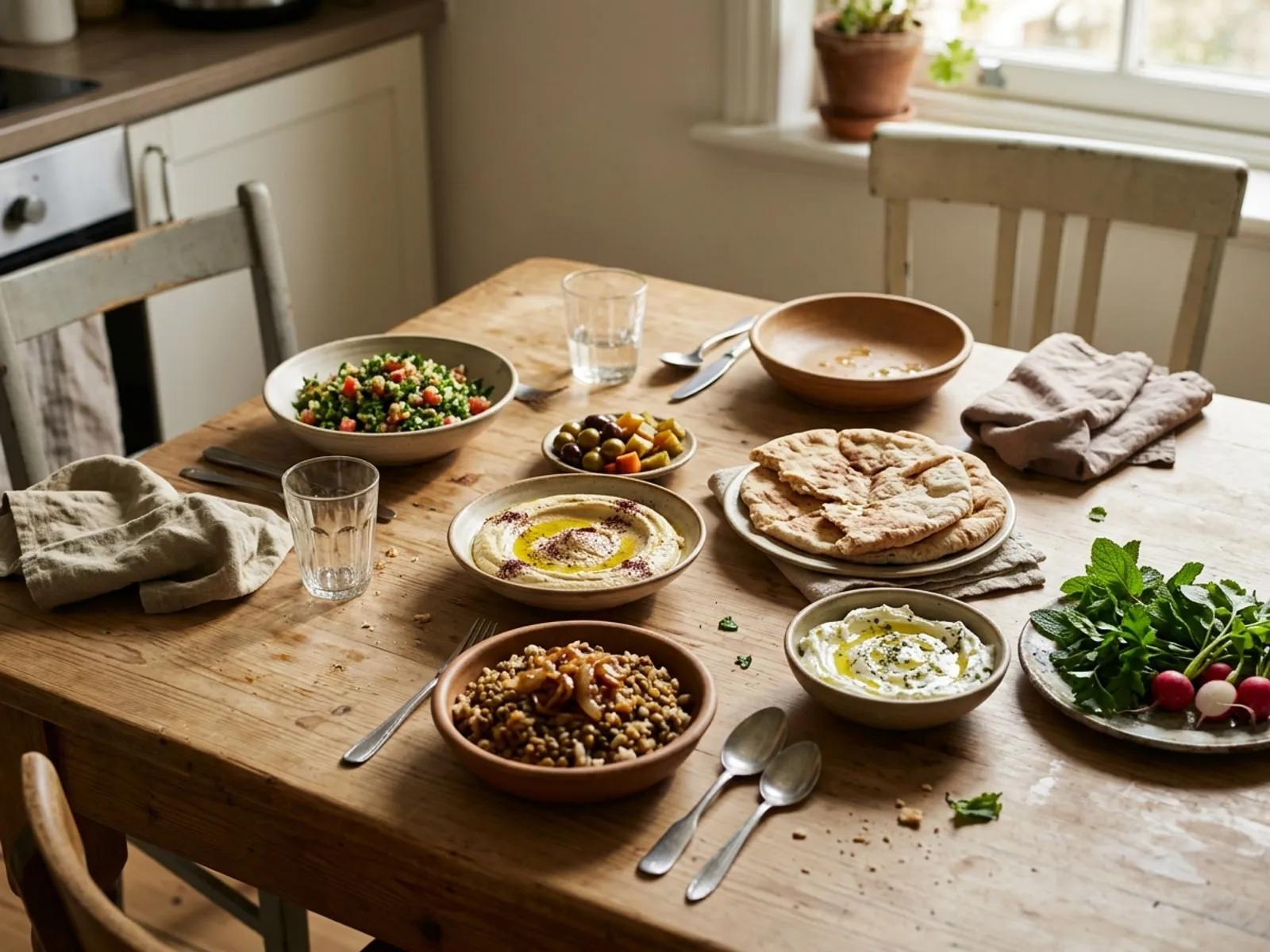
Give the meal room in the visit
The operator locates Beit Sitti in Jabal Al Lweibdeh in Amman. Use the actual confirmed address and current local transport advice, especially for the return journey. Do not infer an effortless walk from another attraction or plan onward travel from a rough city-center pin.
If you later combine Amman with Petra, treat the movement between them as its own planning question. They are not two stops in one small neighborhood. A Bucketlist place entry should help make those relationships clearer rather than encourage a rushed country checklist.
With current regional uncertainty, it is reasonable to leave this as a future possibility. A bucket list is a collection of considered ideas, not pressure to turn every interesting experience into an immediate booking.
Who might prefer another format
Someone who wants to sit and taste without preparing food may prefer a meal rather than a class. Someone with requirements the host cannot meet should choose a suitable alternative. A private session is not automatically more accessible or safer; ask what would actually change.
The experience is strongest when its format fits you: enough participation to learn something, a meal you can enjoy and time to pay attention to the setting and hosts.
A sensible first step
First review current official travel advice. If planning remains appropriate, ask the operator to confirm the session, menu, participation, access, dietary arrangements, total price and cancellation terms. Leave the experience on a future list if current advice or the arrangements make a commitment unsuitable.
Sources
Beit Sitti’s homepage, cook-and-dine descriptions and reservations/contact page, and the US State Department’s Jordan advisory; read 17 November 2026. No price, availability, dietary accommodation, access arrangement or cancellation policy is claimed as confirmed. No provider contact was made.
Continue planning
Learn one family recipe and keep the story with it. After the trip, record one recipe and the story or method you want to keep practicing.
Walk into Petra, then choose how much farther you want to go. If Petra also interests you, plan it as a separate place rather than another neighborhood stop.