Learn one family recipe and keep the story with it
Make a dish with someone who knows it, record the details that usually go unspoken and create something another person can use.

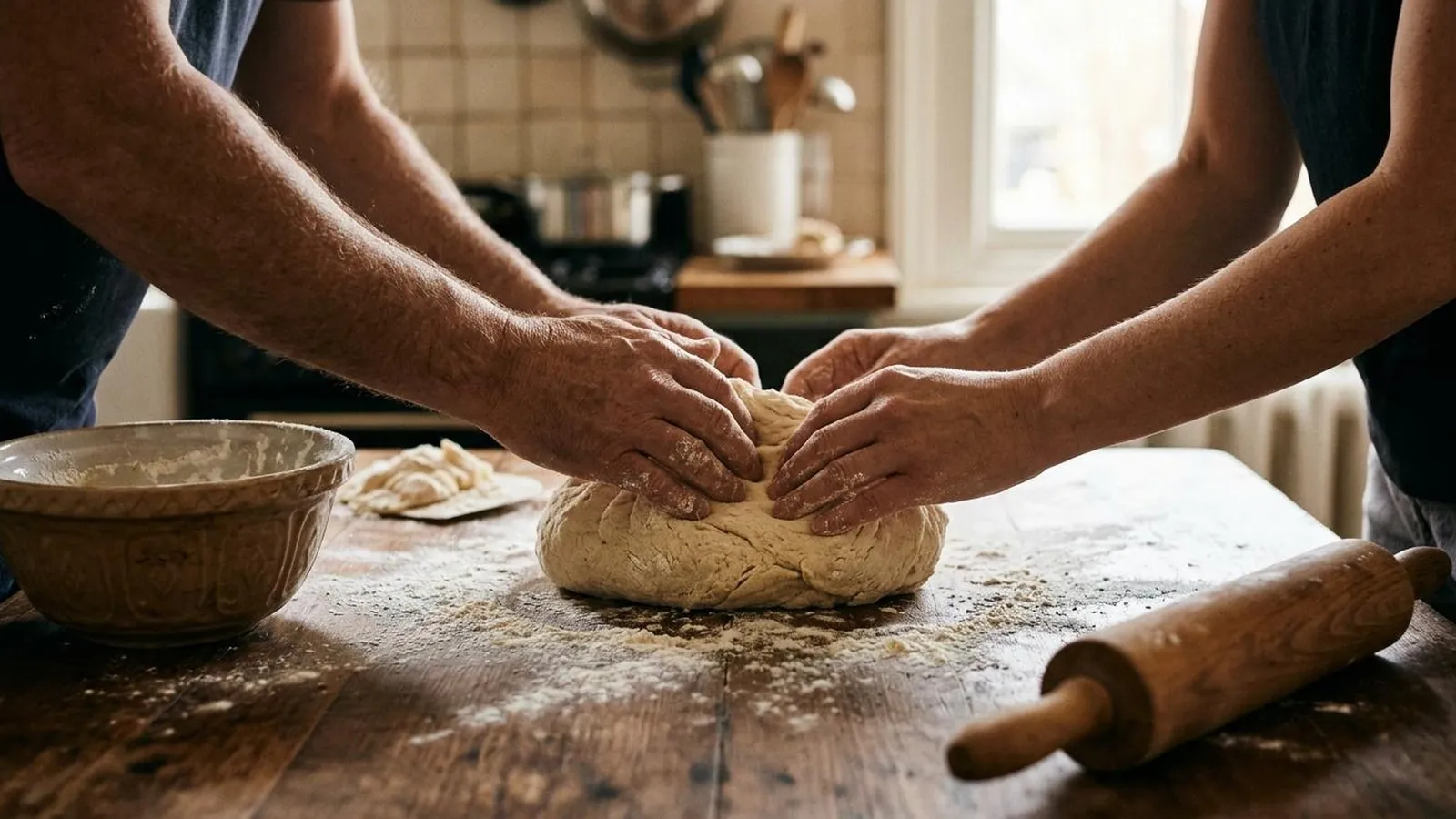
The recipe may exist as a handwritten card, a list of ingredients or a familiar answer: “I just know when it is ready.” You can eat the dish many times without knowing enough to make it yourself.
Learning one meaningful recipe is a small bucket-list experience with a useful result. You spend time with a person, learn something practical and leave with more than a photograph of the finished food.
The ambition is one dish and its story. It does not require beginning an entire family cookbook.
Ask someone to show you rather than simply dictate
Choose a person who wants to take part and a dish they would enjoy making with you. A family recipe is one possibility; a meaningful regional or household recipe shared by a willing friend can be another.
Smithsonian family-folklore guidance suggests that familiar activities can create a natural setting for conversation. Cooking provides that setting without requiring the occasion to feel like a formal interview.
Explain what you hope to keep and ask permission before recording, photographing or sharing anything. Someone may be happy to teach you while preferring the conversation to stay within the household.
Begin with why this dish matters
Ask when it is usually made, who taught it and what makes this version distinctive. Let the answer be personal rather than insisting that one person represents an entire region or culture.
If relatives remember things differently, keep the versions attributed. You do not need to settle which memory is correct to preserve what each person remembers.
The story can remain short. One detail about an ordinary meal or a special occasion may tell you more than a long attempt to reconstruct every generation.
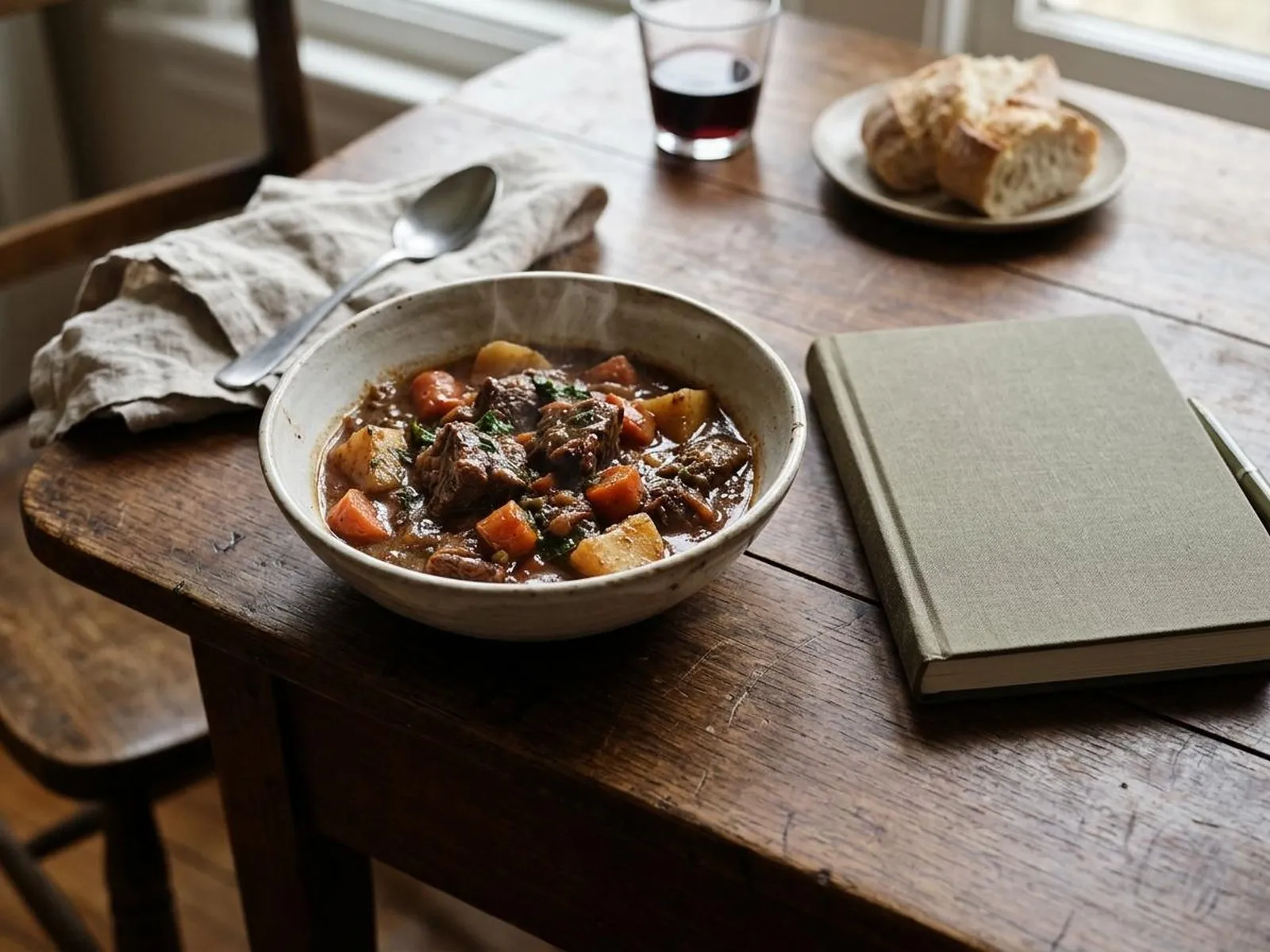
Notice the instructions hidden inside experience
A confident cook may skip over quantities, textures and changes that seem obvious to them. Ask about those moments as they happen.
“What are you looking for now?” may produce a more useful answer than “How many minutes?” Write down the equipment, the ingredients actually used and the signs the cook relies on.
Keep normal food-safety practices and your own dietary needs in view. Recording a tradition does not require repeating an unsafe storage method or concealing an ingredient concern. Use reliable food-safety guidance for technical questions rather than treating this project as that guidance.
Make it again yourself
The first record is a working draft. Try cooking from it on another day and note where you become uncertain.
You may discover that “a little” needs a better description or that the order matters more than you understood while watching. Ask the original cook about those gaps if they are willing.
Keep any changes you make clearly labelled. “The version I learned” and “the version I now cook” can both be worth recording without pretending they are identical.
Give the result a small finished form
Create a page with the recipe, a short attributed story, the date and any permission about sharing. You could include a photograph you took with consent or leave it as words alone.
Make a copy another person could actually cook from. Save a separate backup so the only record is not on a single phone.
Then invite someone to share the dish, if that feels right. The finished experience is not merely having extracted information from an expert cook. It is being able to continue a small act of care and explain whose knowledge helped you learn it.
That is something worth putting on a list—and something you may use long after the list itself has been forgotten.