Look beyond the locomotives at York’s National Railway Museum
Use one locomotive or railway object to explore the work and decisions behind railway travel.

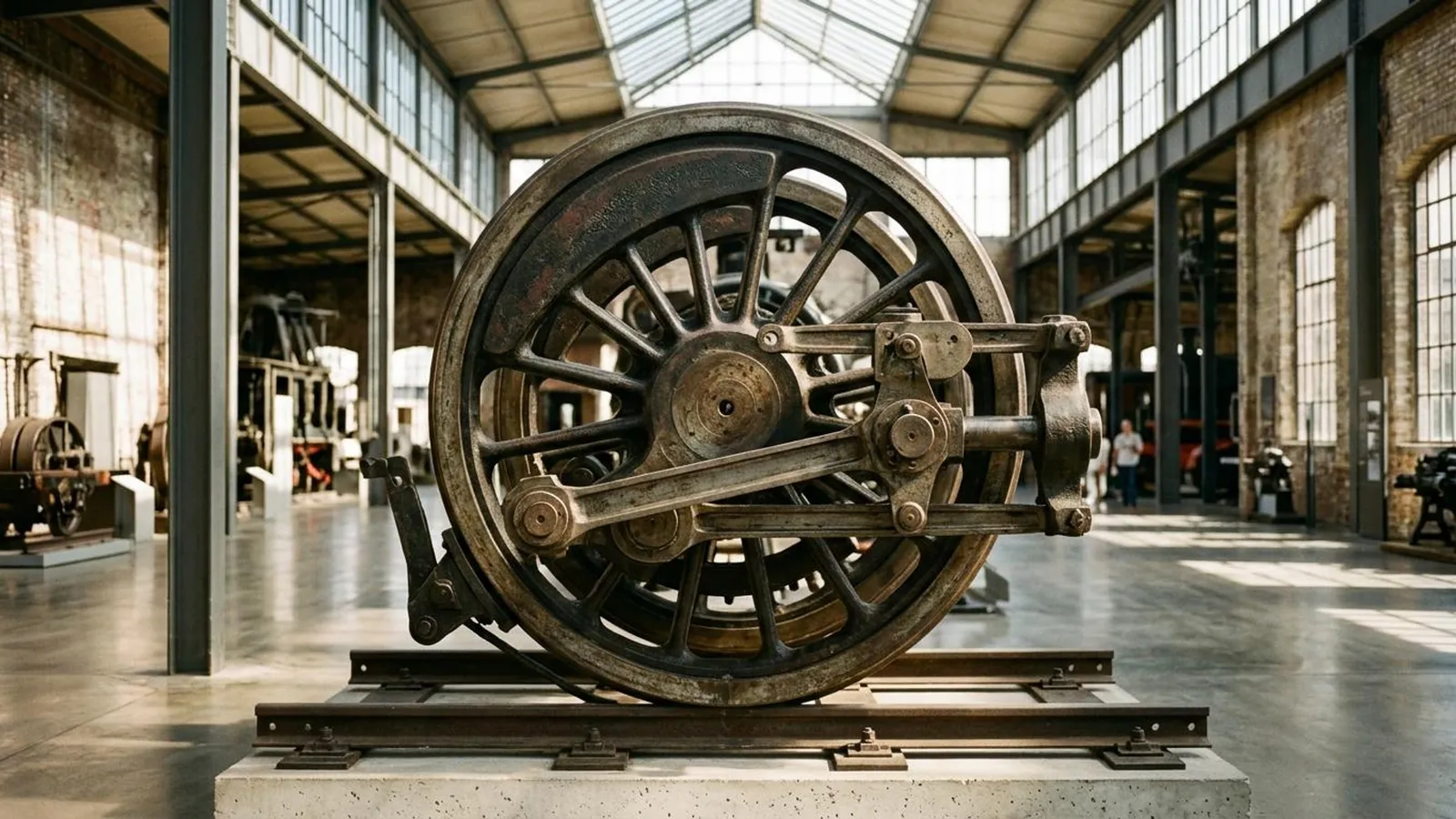
You can enjoy York’s National Railway Museum without being able to identify a locomotive. Choose one object and ask what had to happen around it for a railway journey to work.
That changes the visit from a collection of impressive machines into a story about people, systems and decisions. A train is not only an engine. It is also a timetable, a workplace, a ticket and an agreement about who gets to go where.
Choose one object and three questions
Start with something that holds your attention: a locomotive, a sign, a carriage detail or another displayed object. Read its interpretation, then ask three questions. What did it make possible? Who had to operate or maintain it? What would an ordinary passenger have noticed?
Do not worry if the display does not answer all three. The unanswered question can guide the rest of the visit. Look for another object that adds a different perspective rather than trying to inspect everything in sequence.
A fictional visitor interested in comfort might compare a carriage detail with the practical business of getting aboard. Someone interested in work might follow maintenance and operation. Neither needs to become an expert in railway engineering to have a worthwhile afternoon.
Look beyond the biggest machine
Large exhibits naturally draw attention. Give a smaller object the same courtesy. A sign, fitting or document can reveal something about the passenger experience that the overall outline of a locomotive cannot.
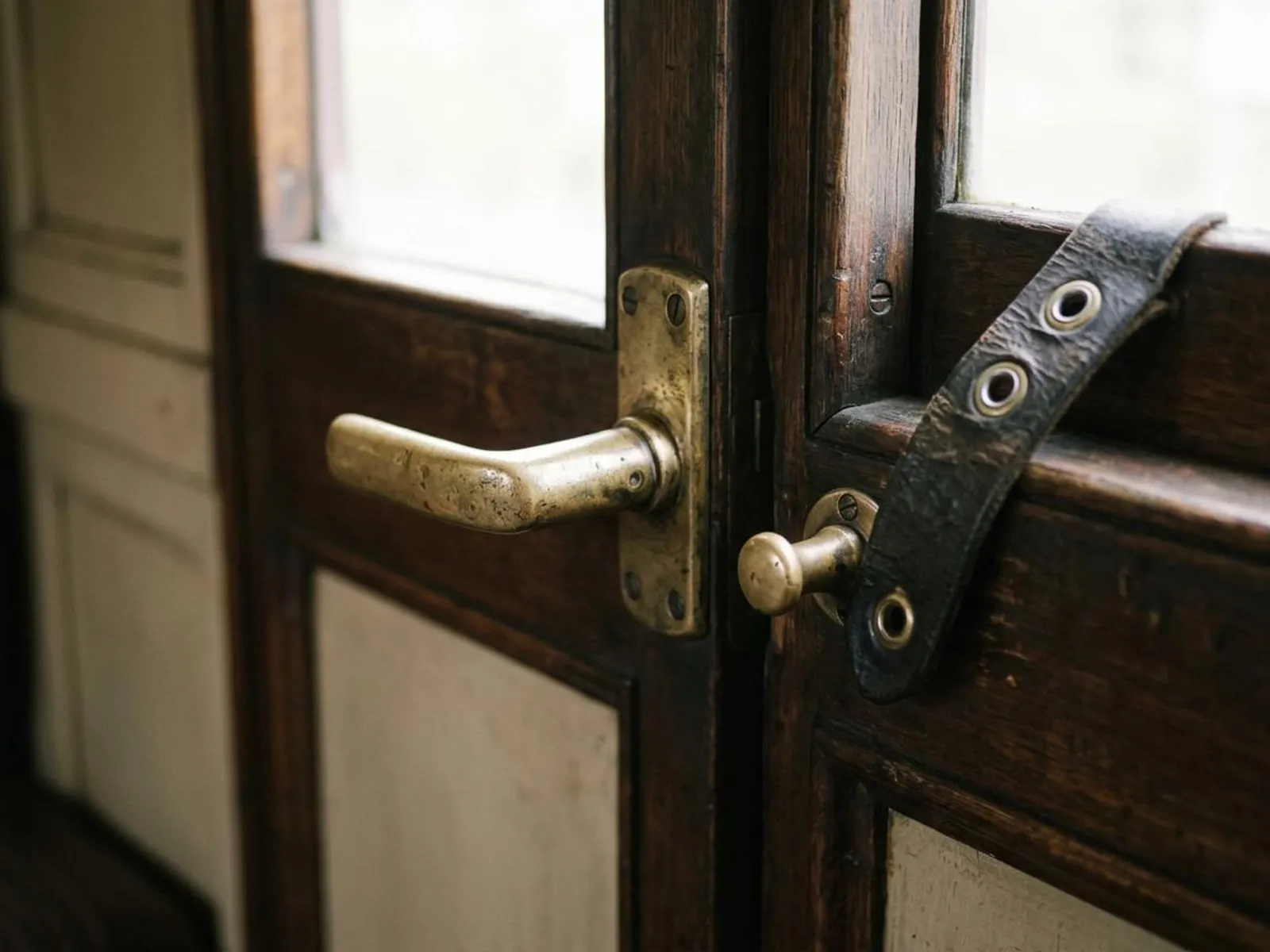
Keep observation separate from inference. “This doorway looks narrow to me” is not the same as knowing the conditions under which passengers used it. Labels, staff interpretation and collection information can help you test your first impression.
If you are with a companion, each choose one object and explain why. Sharing those choices is more rewarding than agreeing on a single “best” exhibit.
Check the museum you will find on the day
The museum’s visiting page says general admission is free and recommends booking ahead. Additional experiences can have separate arrangements. Redevelopment has changed routes to the entrance, and some spaces have dated closures, so use current visitor information rather than an old map or photograph. Official visit information.
Do not build the whole trip around seeing a named exhibit without checking its current display status. The same applies to demonstrations, events and access to particular halls.
Connect the museum with a real journey
If travelling by rail, leave room to notice the station and the journey as well as the museum. The comparison can be as simple as asking what has changed about information, comfort or waiting.
Railway Reviews’ UK booking guide covers the practical ticket decision. Here, the aim is to make one museum visit deepen the way you look at the railway you use afterwards.