Try a beginner tai chi class and decide whether you want to return
A supervised local learning experience prioritizes suitable instruction and personal fit without promising clinical benefits.

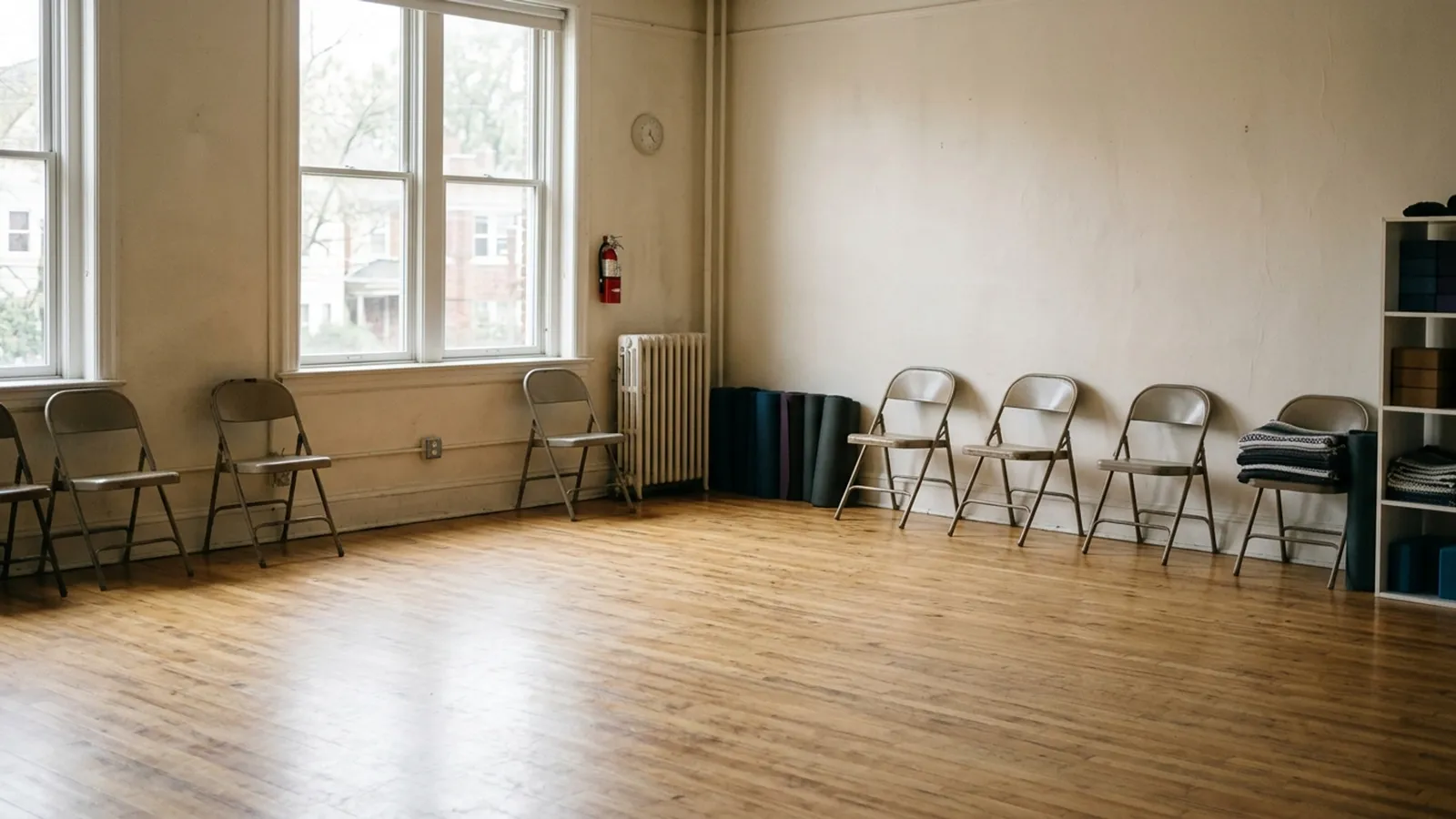
Some worthwhile first experiences are quiet. A beginner tai chi class can be a way to try a movement practice, pay attention to instruction and find out whether its pace appeals to you.
Make the aim modest: attend a suitable introduction with a teacher, learn how the session works and decide whether you would like another. You do not need to master a sequence or make a health transformation part of the promise.
Choose instruction for a real beginner
Look for a class explicitly welcoming people without experience. Ask whether the session is a one-off introduction, part of a course or a regular group in which newcomers are expected to follow along.
The US National Center for Complementary and Integrative Health advises asking about an instructor’s training and experience. Use that as a practical question, along with how the teacher helps new participants and adapts the class. NCCIH guidance
A convenient venue and a welcoming description are useful, but neither establishes that the teaching suits your needs. Ask before paying for a long course if a single introductory session is what you want to try.
Discuss relevant limitations before the session
Tell the teacher about practical needs that could affect participation, such as difficulty standing for a long time or needing a seated option. Ask what adjustments are possible rather than assuming every class offers them.
If you have a health condition, an injury, pregnancy or uncertainty about whether the activity is appropriate, discuss it with your health professional before starting. Tai chi should not be used to postpone assessment or replace treatment for a medical problem. Health and safety considerations
The experience does not require you to push through pain or keep up with everyone else. Follow the teacher’s safe guidance and stop or ask when something is uncomfortable or unclear.
Make arrival easy
Ask about clothing, footwear, the floor surface and anything you should bring. Follow the class’s own instructions; do not buy specialist equipment because an online list says every beginner needs it.
Choose a session you can reach without rushing. Arriving early enough to introduce yourself is more useful than slipping into the back and trying to guess what the group already knows.
If you are trying it during a longer stay, check the teaching language and whether you can understand directions comfortably. A class may look easy to follow visually while still depending on verbal explanations you need to hear.
Notice one thing at a time
For the first session, focus on listening and understanding what is being asked. You may not remember the whole sequence afterward. That does not mean the session has failed.
Compare your experience with your own expectations rather than with an experienced participant. Was the pace comfortable? Could you ask a question? Did the teacher explain rather than simply demonstrate? Those observations are more useful for deciding whether to return than an instant judgment about whether you are good at it.
Avoid recording other participants without permission. Taking notes afterward can help you remember a question without introducing a camera into a session that others expect to experience privately.
Decide whether it fits the week you want
Afterward, ask whether you would enjoy making room for another class. Include the journey, cost and schedule in that decision. A practice that appeals in principle may not fit a particular teacher or venue.
For retirement or a longer stay, a recurring class can give the week a useful anchor. That is a possible lifestyle benefit of having a routine, not a promise that tai chi will produce a specific medical result.
If it was not for you, you can still count the introduction as a worthwhile experiment. Trying an activity thoughtfully helps you choose how to spend your time. There is no obligation to continue merely to justify having begun.
Keep the result realistic
You can leave with a better understanding of what a tai chi session feels like and what you would need to learn next. That is enough for a first experience.
Be cautious about classes marketed with guaranteed cures or dramatic claims. Choose instruction for its fit, clarity and appropriate support. The satisfying outcome is a considered choice about participation, with your own comfort and circumstances kept central.
Sources
NCCIH Tai Chi: What You Need To Know, read 16 November 2026. This is a class-selection experience, not an exercise prescription, treatment recommendation or claim of individual safety.
Continue planning
Make room for movement in the week you actually live. Choose movement that fits the week you actually live, including the journey and a manageable class schedule.
Use a local class to give a longer stay some structure. For a longer stay, check language, continuity and realistic attendance before making a local class a weekly anchor.