Travel through the Panama Canal: choose the crossing you actually want
A full crossing, a partial transit and a visit to the locks are different experiences. Start with the moment you want to remember.

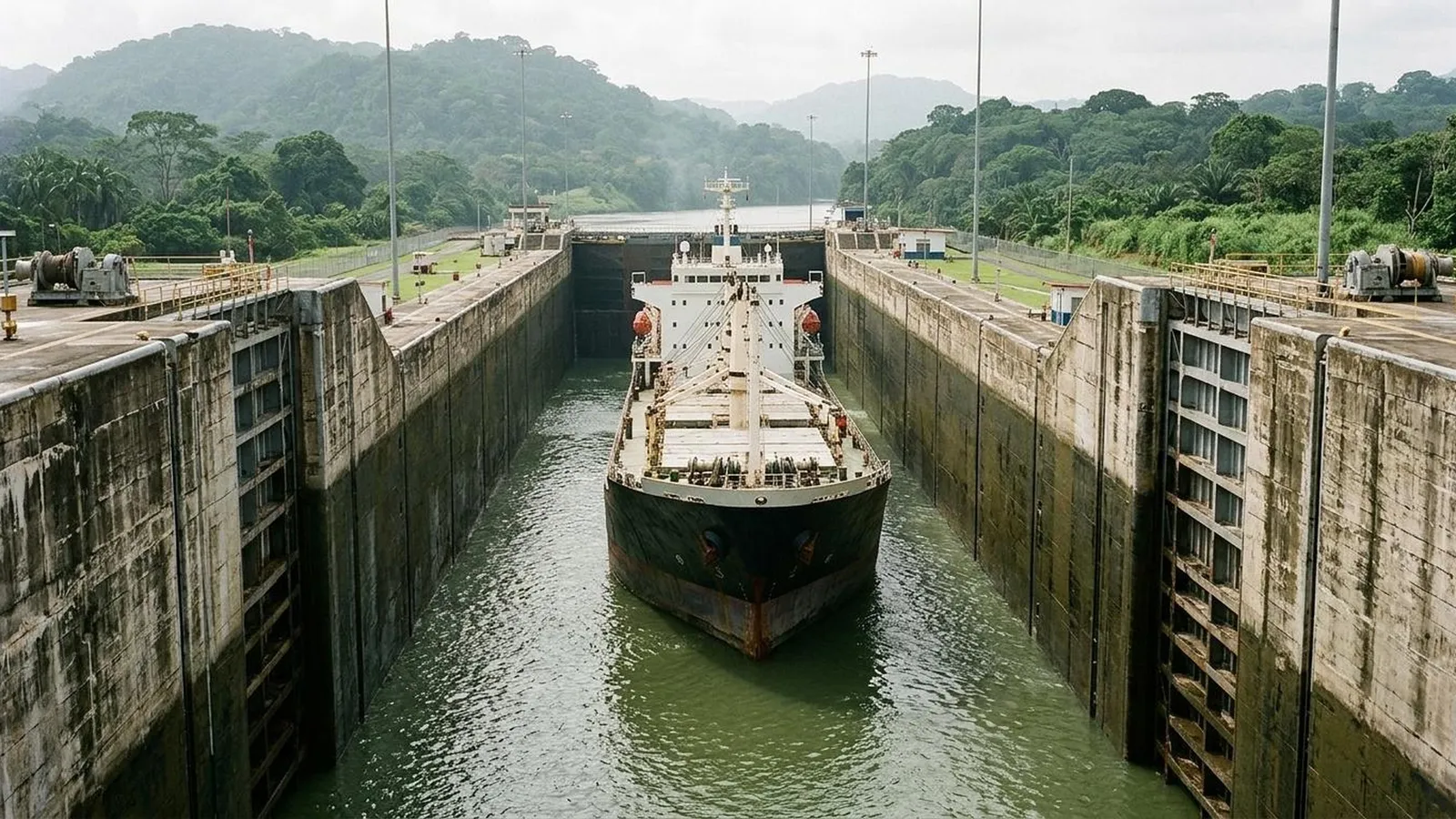
Imagine arriving at a lock aboard a passenger boat and watching the waterline change against its walls. For a while, your journey depends on an enormous piece of infrastructure doing its everyday work. You are part of the traffic rather than a spectator at the edge.
For many people, that is the appeal of the Panama Canal. For others, the important part is a complete passage between two oceans. Those ambitions sound similar when you write “Panama Canal” on a list, but they can lead to quite different bookings.
Before choosing a ship or a departure date, finish this sentence: “I want to experience the canal by…” Your answer might save you from buying a trip that visits the right place without delivering the thing you came for.
Three ways to experience the canal
A full transit is the choice when the crossing itself is the milestone. Panama Marine Adventures describes its full-transit product as an ocean-to-ocean journey. That is the defining distinction to establish in writing, whether you are considering a dedicated excursion or a longer cruise. A canal-related port name alone does not establish the route your ship will take. Compare the operator’s transit options.
A partial transit can suit someone whose main wish is to travel through locks without making the complete crossing. For a concrete example, Panama Marine Adventures describes its partial tour as passing through Miraflores and Pedro Miguel, with northbound and southbound versions and a coach connection. Its advertised duration is approximately five to six hours, not a return-time guarantee. Confirm the actual departure, direction and arrangements before booking. Read that partial-transit itinerary.
Watching from land offers a different kind of day. The Canal’s visitor website lists Miraflores and Agua Clara visitor centers, with visitor information and daily ship-viewing times. This is a way to observe the canal rather than transit it. It may be exactly what you want if you would rather watch ships and explore the interpretation than spend the day aboard a boat. Check the current schedule rather than assuming ships will pass whenever you arrive. Plan a visitor-center visit.
Decide what would make the day feel complete
Suppose two friends are planning the same Panama holiday. One has dreamed of crossing from ocean to ocean since childhood. The other wants to see a lock operate at close range and has little enthusiasm for a long boat day.
The first should check that “full transit” means the complete crossing in the specific itinerary. The second could reasonably choose a partial transit, or decide that a visitor-center visit offers the right balance. Neither needs to borrow the other’s definition of success.
Write down your own non-negotiable moment. Is it being aboard as the vessel passes through locks? Reaching the other ocean? Understanding how the system works? That small distinction is more useful than comparing a dozen tours that use the word “canal” differently.
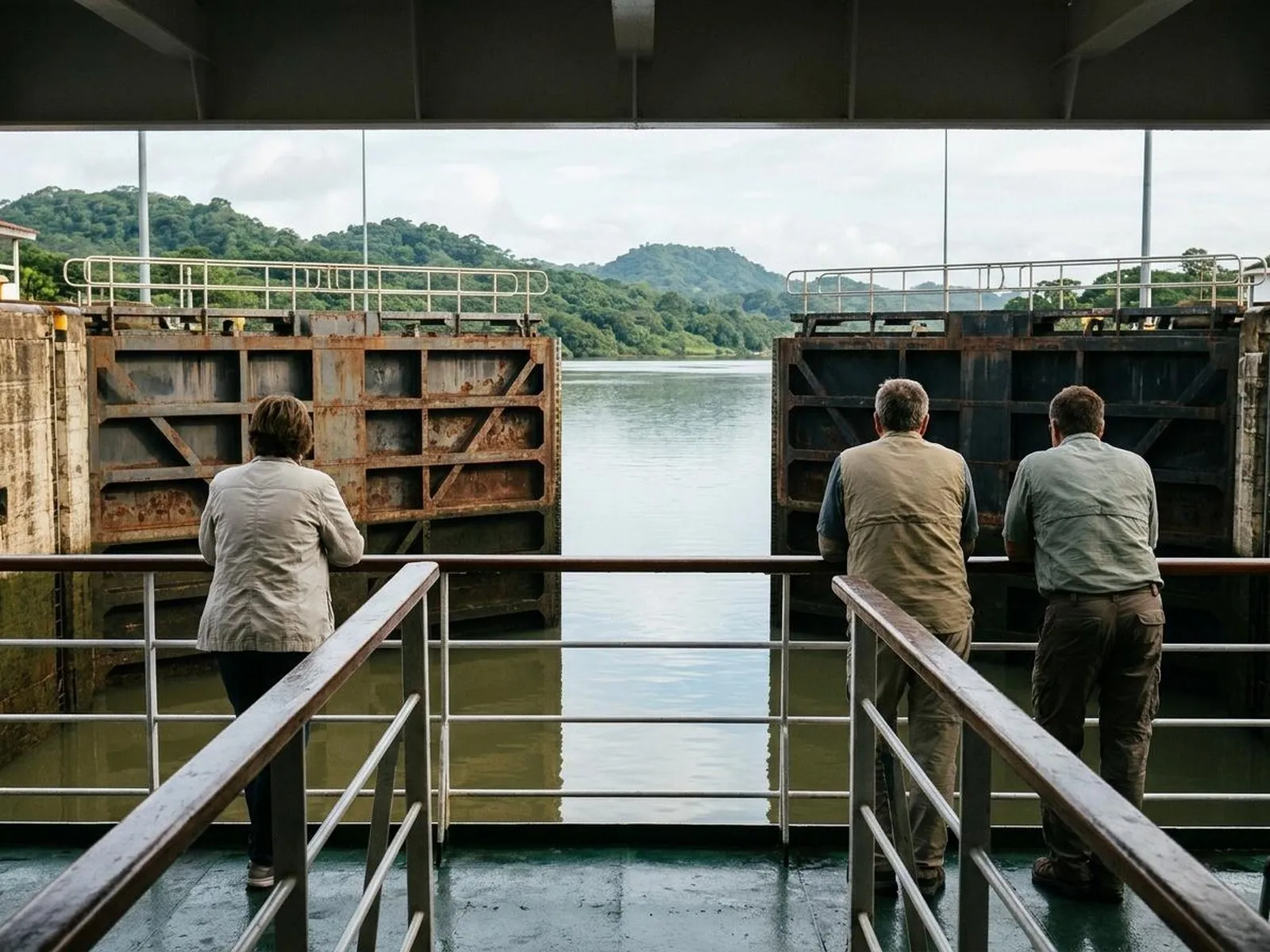
Read the whole day, including the parts on land
A route description is only part of the experience. Before paying, ask where you must check in, where you finish, what transport connects those points and which elements are included in the quoted price. If a coach transfer is involved, include it in your mental picture of the day.
For comfort, ask about seating, shade, toilets, food, drinking water and boarding arrangements. If steps or prolonged standing would be difficult, describe your requirements to the operator rather than relying on a general accessibility label. These are questions to resolve for your chosen vessel; they are not promises about every canal tour.
Leave room around the experience. An approximate tour duration is a weak foundation for a tightly timed flight or another non-refundable booking. Ask the operator what contingency it recommends, and read the change and cancellation conditions before building the rest of the trip around a particular departure.
Make the crossing more than a tick
You could give yourself one question to follow throughout the day: how does this particular passage connect to the larger journey? Notice the transitions, ask about something you do not understand, and leave time to look without filming.
Afterwards, record what actually made the experience memorable. Perhaps it was the scale of a ship beside you, the patient sequence of a lock passage, or simply the satisfaction of completing a journey you had imagined for years.
The best version is the one that matches your original curiosity. Choose that first; then choose the ticket.
Planning notes and sources
This is a researched experience guide, not a firsthand review or an endorsement of the example operator. Product routes, schedules, prices and booking conditions can change. Primary visitor and operator pages were checked on November 13, 2026; confirm the details for your own departure using the links above.