Explore Taipei’s Palace Museum through jade, bronze and ceramics
Give a large museum a personal theme by following three materials and the choices of the people who worked them.

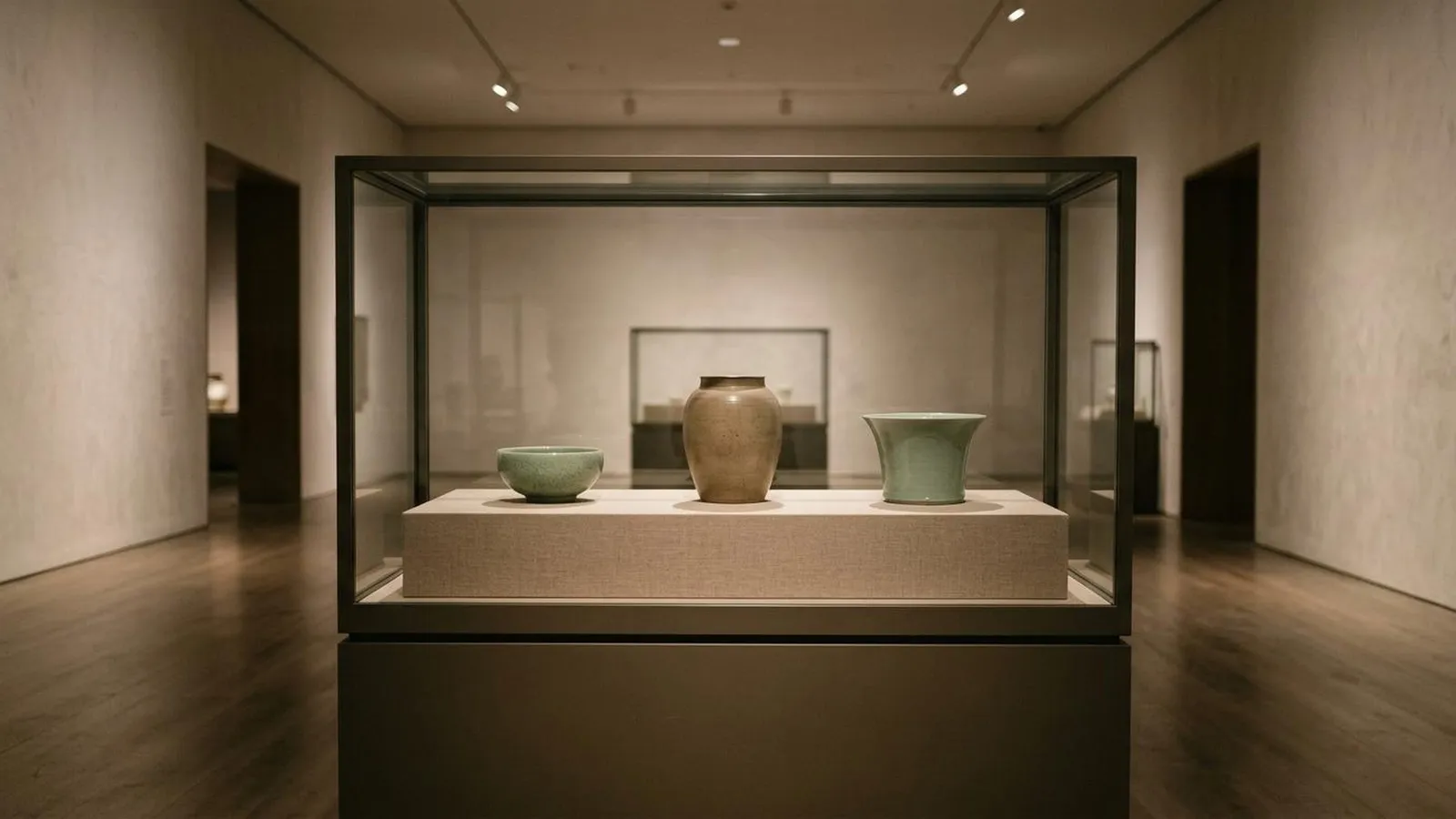
A major museum can leave you with the feeling that you saw a great deal and absorbed very little. A more inviting ambition is to arrive with one question: how did people turn different materials into objects worth keeping?
Use that question for a visit to the National Palace Museum in Taipei. Jade, bronze and ceramics give you three starting points, each asking you to look at a different kind of making. You do not need to become an expert or complete the collection to leave with a memorable encounter.
Begin before the visit
The museum’s online Selections catalogue organizes works by categories including jades, bronze and ceramics. Browse a few entries and choose what attracts you: color, shape, surface, scale or the idea of an object having a practical or ceremonial use. Save the names as interests, not as a list of items you assume will be on display. Museum Selections
One useful example is the Jadeite Cabbage. The museum explains how the carver used the stone’s green and white areas to suggest leaves and stalks, with insects among the foliage. It is a lesson in looking at a maker’s response to the material. You can use the online account to practice that way of seeing whether or not the work is exhibited during your visit. Museum object interpretation
The goal is to arrive interested rather than arrive committed to one famous object. Collections and exhibitions are different things, and a work associated with a museum need not be in a particular gallery on your travel date.
Let three materials guide the day
Once you have checked the current gallery information, choose an available example in each material that interests you. For jade, look at how color and form work together. For bronze, look at the relationship between a vessel’s shape and its decoration. For ceramics, notice the surface and how it changes your impression of the object.
These are looking prompts, not conclusions about a particular work. Read the labels to discover what the museum says about date, function and technique. If your first interpretation differs from the explanation, that can make the encounter more interesting rather than spoil it.
Give one object enough time that you can describe a detail afterward. Then compare it with the next material. You might discover that you enjoy a small, quiet piece more than the work everyone has gathered around.
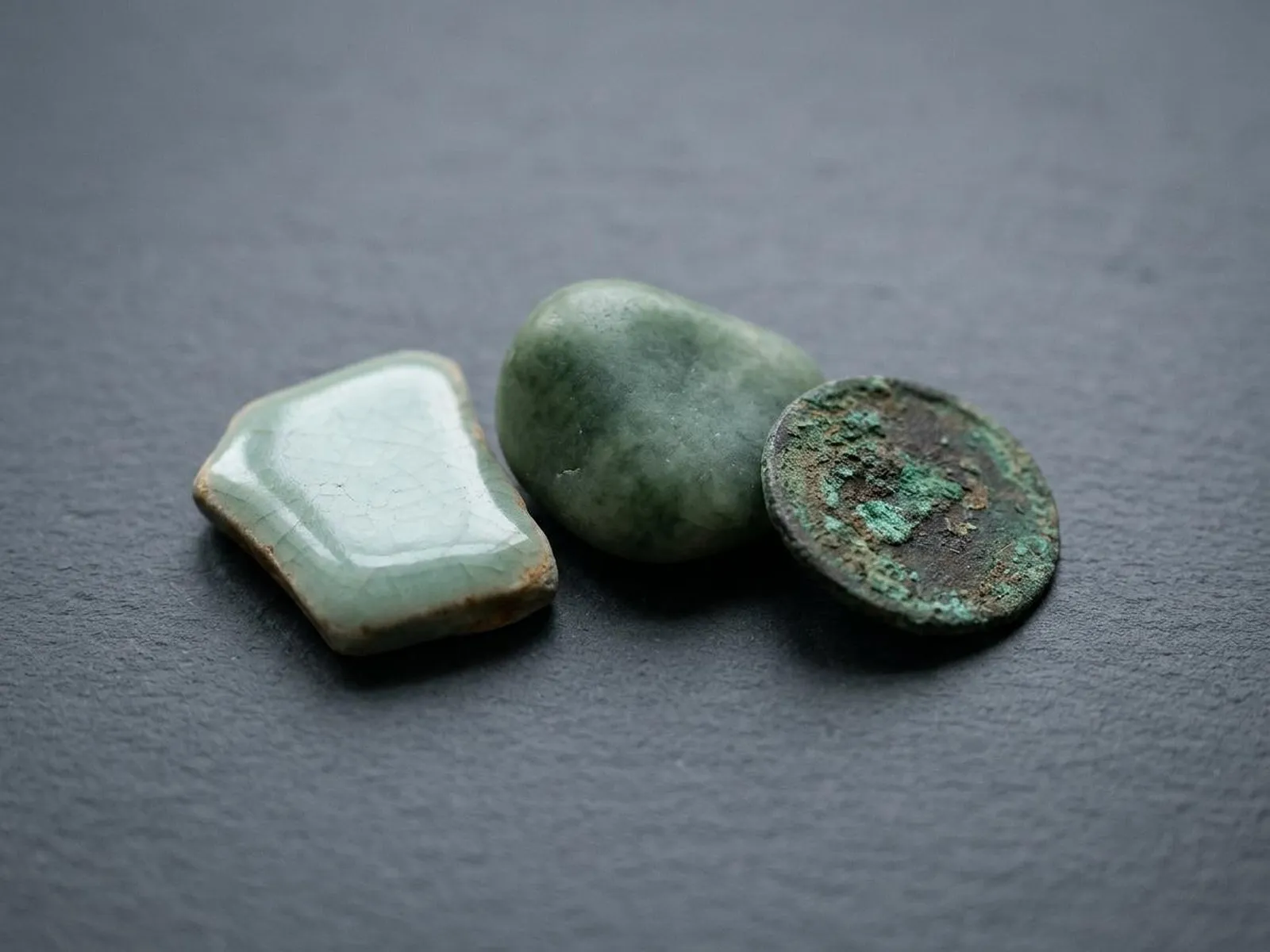
Keep the visit practical
Plan for the Northern Branch in Taipei, rather than the Southern Branch in Chiayi. Exhibition Hall I currently opens Tuesday–Sunday, 9am–5pm, with ticket sales and exchange ending at 4:30pm. The museum also lists special Monday openings, so check your exact date. Its regular Exhibition Hall I ticket is currently NT$350; concession eligibility should be checked separately. Hours · Admission
Scheduled English guided tours are currently listed at 10am and 3pm Tuesday–Sunday, with online reservations. The museum specifies an admission ticket plus a NT$50 group audio-system rental fee for scheduled tours. Check availability through its reservation link; the existence of a scheduled tour does not guarantee a place. Guided tours
For public transport, the museum lists Metro Shilin Station followed by a connecting bus; R30 serves the main building’s B1 entrance. Check the current service before setting out. If you need a tailored access service or tour, the museum asks visitors to contact it two weeks ahead. Discuss the route and assistance you need rather than assuming every gallery approach works equally well. Transport · Access services
Leave room for breaks and limit the number of extra rooms you add. Three materials are a way to make decisions; they are not another obligation to finish a circuit regardless of how you feel.
Afterward, choose one making decision you remember: the use of a color, the curve of a vessel or a surface you wanted to understand. It can connect the visit with a craft workshop or something you own at home. The museum has become more than a collection of famous treasures. It has given you a new question to ask of ordinary objects too.
Sources
National Palace Museum collection selections