See the northern lights without making a promise the sky cannot keep
Use Fairbanks as a practical starting point for an aurora trip built around patience, darkness and a holiday worth taking either way.

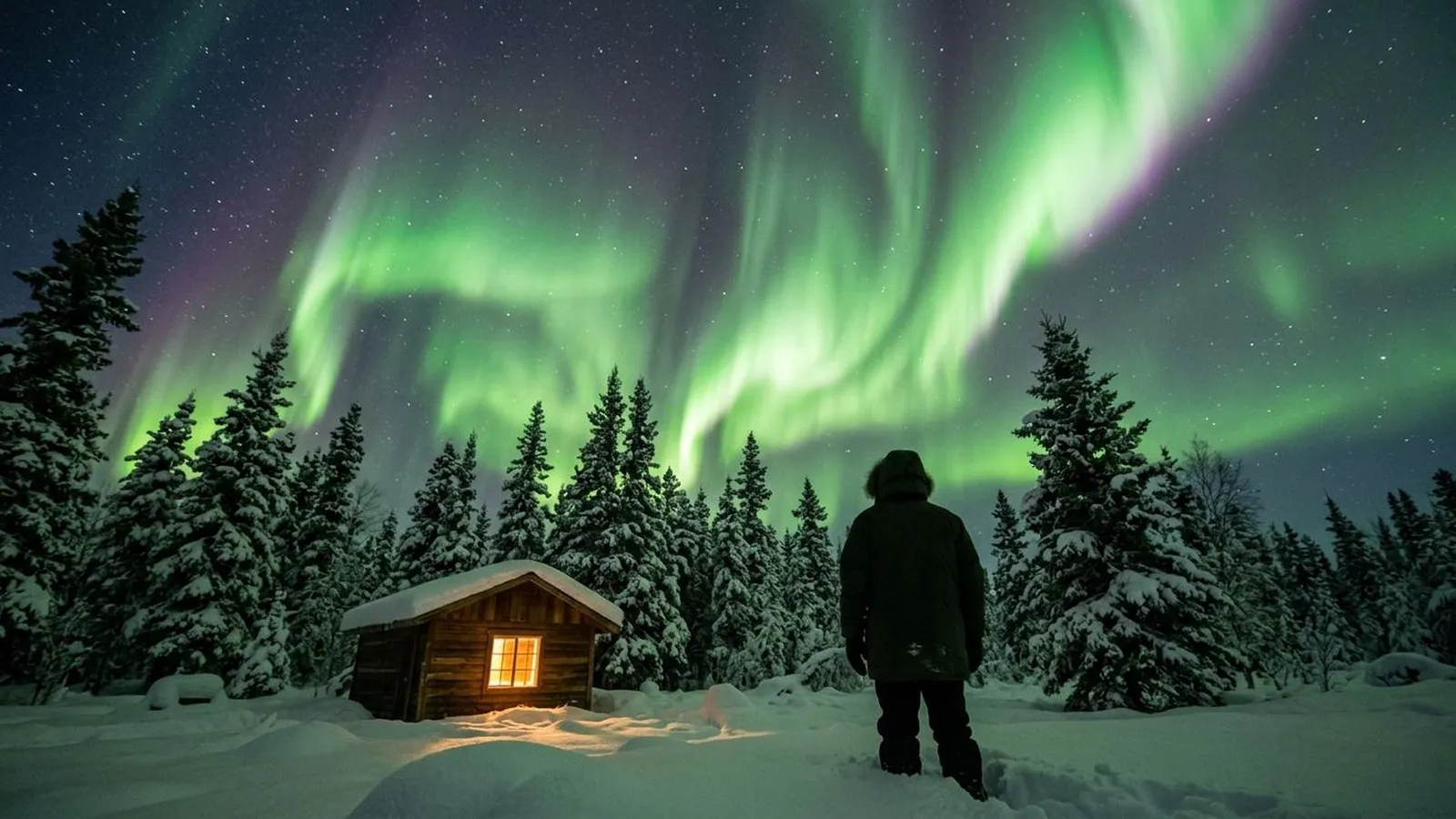
The northern lights are an unusual bucket-list ambition: you can buy the journey, the warm room and the evening excursion, but you cannot buy the moment itself.
That uncertainty is part of their appeal. It also makes this a trip to plan differently from a museum visit or a concert. The aim is to give yourself worthwhile opportunities to see an aurora, while accepting that the sky may not cooperate.
Fairbanks, Alaska, provides one concrete place to begin researching. This guide uses it as an example rather than declaring it the world’s best aurora destination. The more useful question is whether the trip fits the season, budget and kind of waiting you would enjoy.
Start with darkness, then look at the forecast
The University of Alaska Fairbanks Geophysical Institute describes the Fairbanks viewing season as roughly August 21 to April 21. Treat that as a regional planning window, not a promise that every night within it is suitable. Read the institute’s aurora guidance.
NOAA identifies geomagnetic activity, location, darkness and weather as important viewing factors. A promising activity forecast does not remove cloud or daylight. Read NOAA’s viewing advice.
That is a reason to resist choosing a non-refundable trip around a single exciting forecast screenshot. Use forecasts to inform the opportunities available during your stay, alongside local weather and the advice of your chosen viewing provider.
For Fairbanks specifically, the Geophysical Institute also cautions against treating the planetary Kp index as a reliable local predictor. You do not need to become a space-weather specialist before going. You do need to avoid turning one number into a guarantee.
Give the trip more than one chance
Consider two possible holidays. The first puts all the hope into one evening between other commitments. The second leaves several evenings available and avoids scheduling every following morning at full speed.
The second is our suggested approach if the aurora is the main reason for travelling. Several nights create more opportunities to try; they do not establish a particular probability of success. Choose the length you can comfortably afford, and be honest about whether repeated late evenings would feel exciting or exhausting.
Agree on expectations with your companions before paying. Would a cloudy trip still feel worthwhile? Would everyone be happy to go out again after an unsuccessful night? Those answers matter as much as the destination on the booking confirmation.
Choose how you want to wait
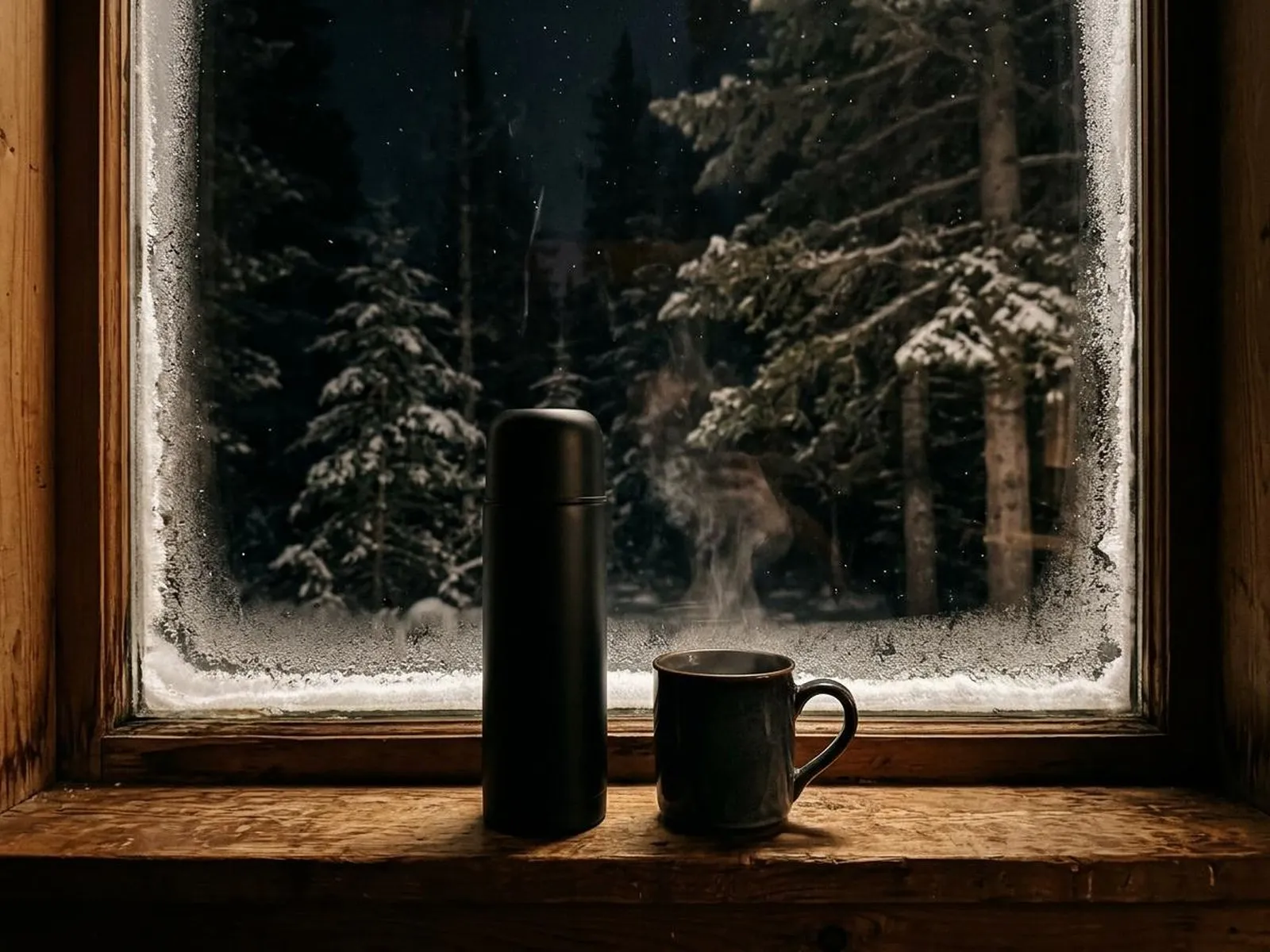
An aurora evening is not only the display you hope for. It is also the time before it, and potentially the whole evening without it.
When comparing an excursion or viewing venue, ask about warm indoor space, toilets, transport, clothing expectations, the expected return time and what happens if the weather prevents the planned outing. Ask whether a “guarantee” means another attempt, a credit, a refund or something else. Read the actual terms rather than the headline.
For a first trip, it may be worth paying for arrangements that make you comfortable with the evening itself. That is an editorial preference, not a judgment that a tour produces more aurora. If you are considering independent viewing, check legal access, current conditions and transport arrangements with appropriate local sources; a dark patch on a map is not a complete plan.
Let the experience be bigger than the photograph
Decide what you would like to notice if a display appears: movement, shape, how much of the sky it occupies, or the feeling of watching alongside someone important to you.
A photograph is a separate record made with a particular camera and settings. The Geophysical Institute’s guidance discusses differences between the colors people see and those cameras capture. Do not judge your own night solely against a highly processed image you saw while planning.
Give yourself permission to look for a while without adjusting equipment. If you want photographs too, learn your camera’s controls before the trip or ask what help your excursion actually includes. Avoid making your first unfamiliar-camera lesson compete with the moment you travelled to experience.
Build a holiday that can survive cloud
Choose at least one daytime interest that would justify getting out and exploring even if no aurora appears. Keep enough flexibility to rest after a late night, rather than trying to win back every hour of the trip.
You might come home having seen a spectacular display. You might see something subtle, or nothing at all. A good plan makes room for that uncertainty without disguising it.
Put “give myself a real opportunity to see the northern lights” on the list. It is an honest ambition—and still a remarkable one.
Planning notes and sources
This researched guide is not a firsthand sighting report. Scientific and practical viewing guidance comes from the University of Alaska Fairbanks Geophysical Institute and NOAA pages linked above, checked November 13, 2026. No sighting percentage, current excursion price or weather guarantee is claimed. Recheck seasonal arrangements and provider terms before booking.