Look closely at Cabrillo’s tidepools in San Diego
Use a suitable low tide for a small, careful wildlife encounter, with the ocean setting the limits.

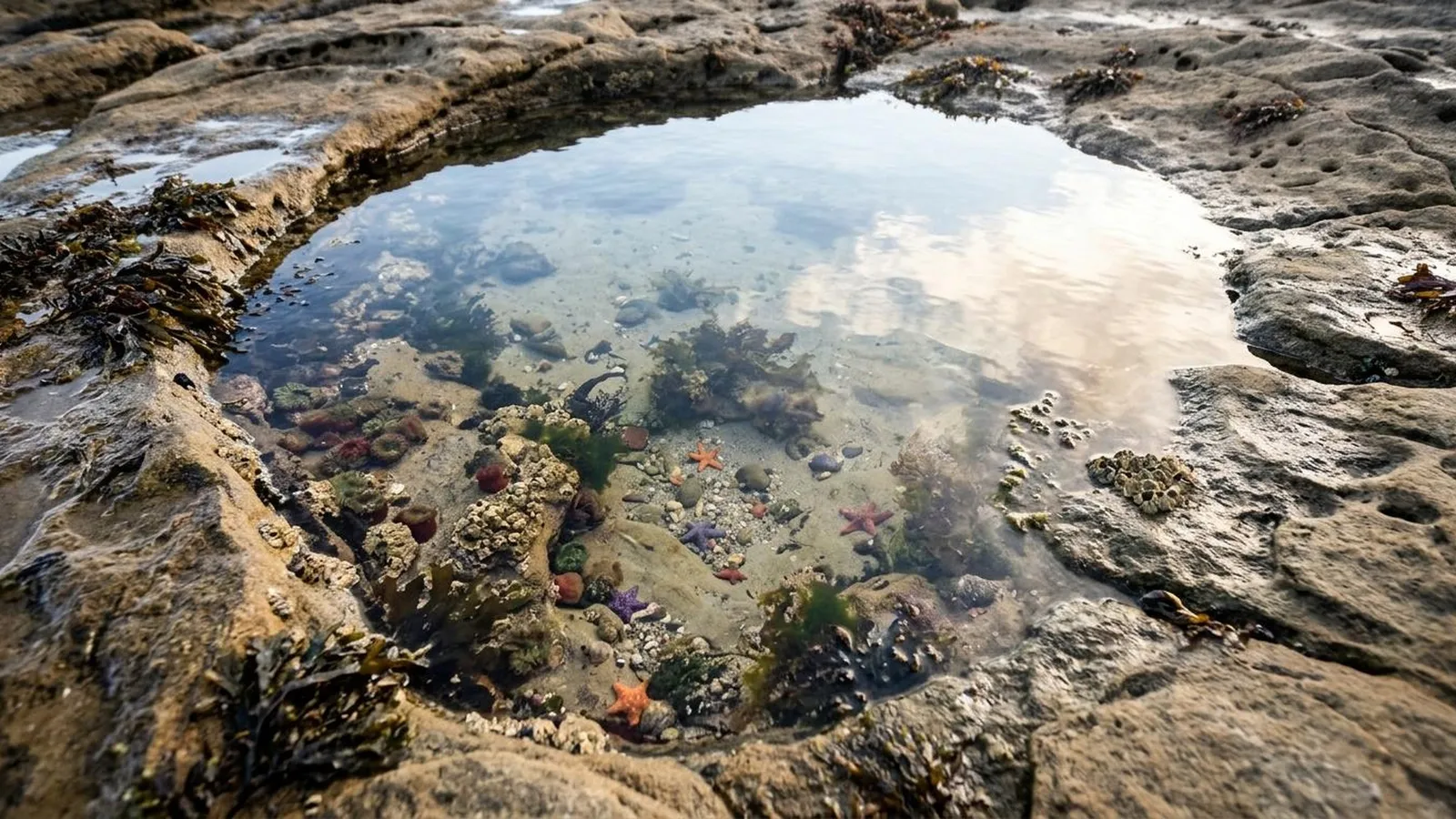
A tidepool visit can make a small patch of coast feel unexpectedly large. Once you stop looking for a grand view and begin watching closely, the interest may be a tiny movement, a shape that resolves into an animal or the way life occupies a crack in the rock.
At Cabrillo National Monument in San Diego, make the ambition a careful looking visit during a suitable low tide. You do not need to cover a great distance or identify everything you see. The experience is giving a living shoreline your attention without disturbing it.
Start with the tide and the park
The National Park Service says conditions change daily and recommends checking the tide information alongside current park alerts. A low tide needs to coincide with usable park access and conditions suitable for your visit. A tide-table entry is not a guarantee that you can reach every pool safely. Ranger planning tips
The park’s basic visitor information notes that the tidepool road may close temporarily when parking fills during busy periods and favorable tides. Build your plan around current access, rather than assuming you can drive straight to a chosen spot because it appears on a map. Park visitor information
Choose your date and allow a workable amount of time around it. Avoid attaching the outing to an inflexible appointment that would make you rush across rocks or stay longer than the conditions allow.
Look without handling
NPS guidance asks visitors to observe tidepool life without touching. Stay with the permitted routes and follow ranger directions. You are not there to move an animal into a clearer pool, collect a shell with something living in it or rearrange rocks for a photograph.
Choose a place where you can stand securely and spend a few minutes looking. Let movement reveal itself. If an identification is uncertain, keep it uncertain; a photograph and a later question can be more useful than confidently assigning the wrong name.
An outing with children or a curious companion can be enjoyable if everyone understands the same boundaries. Make the shared task noticing something, rather than finding an object to pick up or an animal to touch.
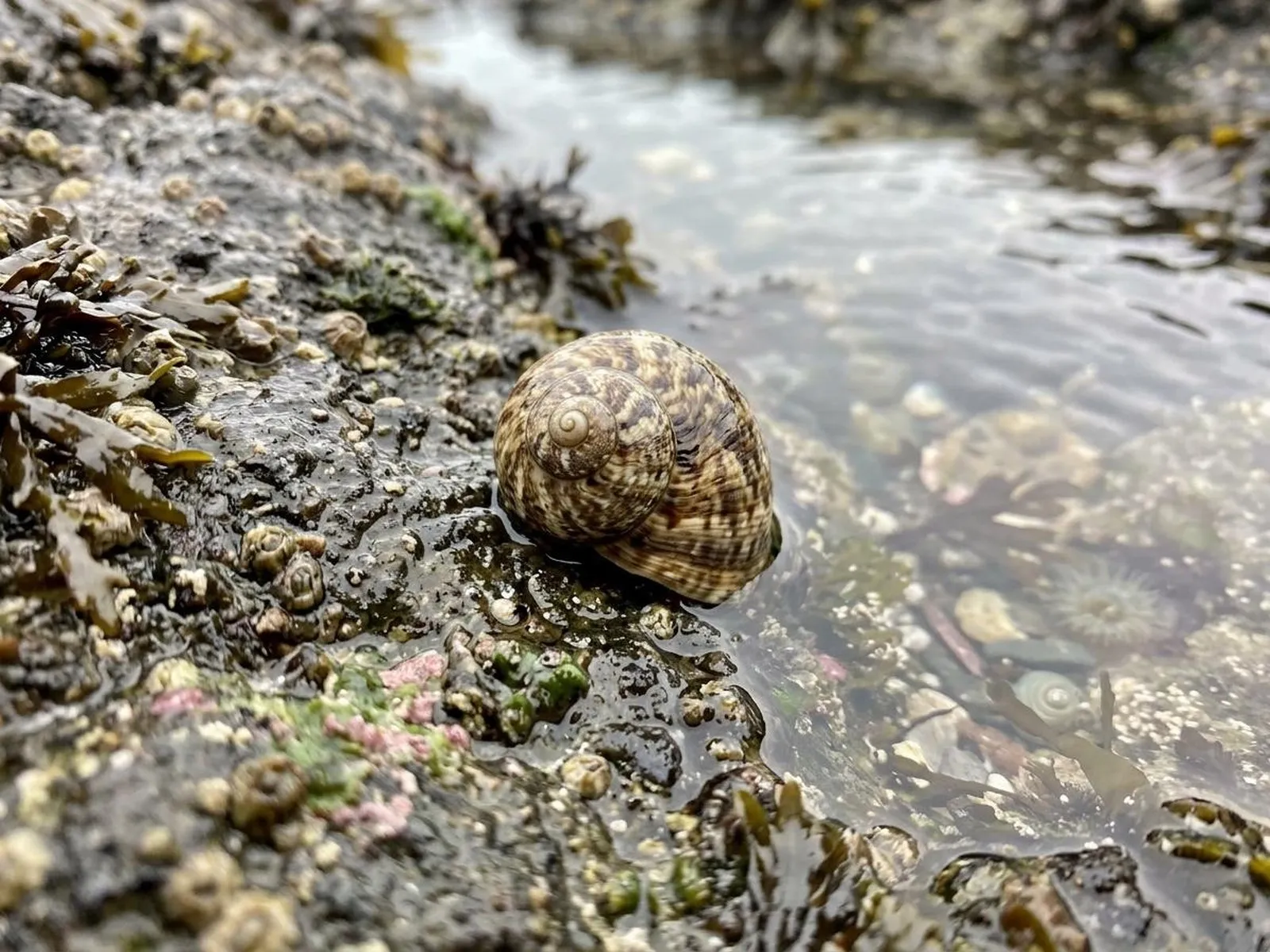
Keep the sea in view
Wear footwear suited to the terrain and heed the park’s warning to remain aware of waves. Low water does not remove swell, slippery surfaces or the possibility of unexpected water movement. Choose a position that fits your balance and confidence, and shorten the visit when conditions require it.
Ask about the actual approach if steps, slopes or uneven ground could prevent you enjoying the outing. Access to the national monument’s developed areas is not proof of equal access to the tidepool shore.
Plan pickup or return arrangements beforehand. The park warns there is no cell phone service down by the tidepools, so do not make your way out depend entirely on calling for a ride at the last moment.
You might finish with a few observations rather than a spectacular photograph: something that moved, something that remained hard to identify and a question about how it survives between land and sea. That is enough for this milestone. A familiar city has offered a different world at its edge, and you have spent time with it on the shore’s terms.